
Does Root Canal Therapy Really Save Your Tooth?
Discover how root canal therapy can save your natural tooth, relieve pain, and restore dental health without the fear. Learn why it's worth considering.

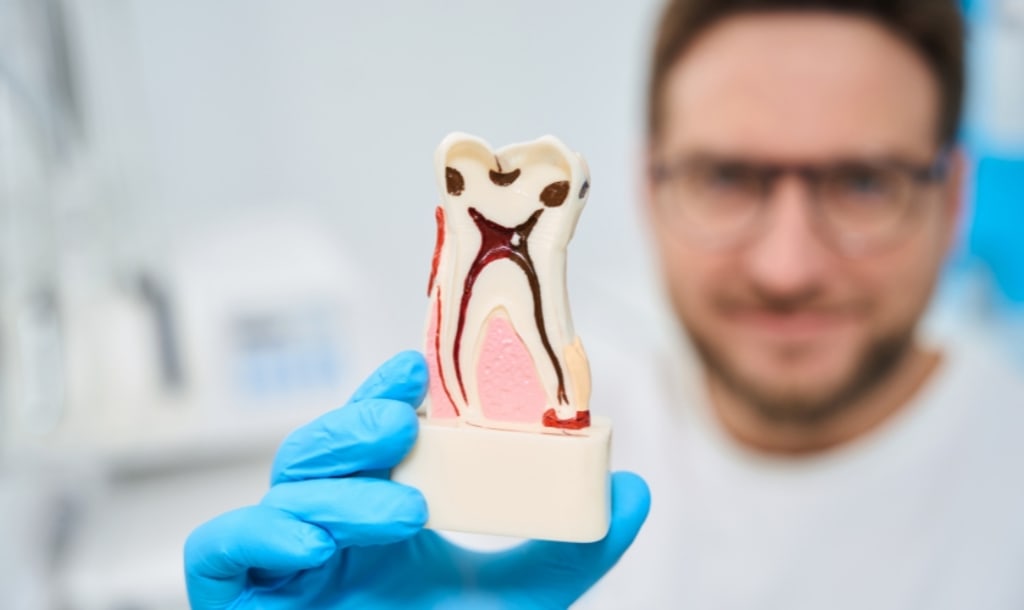
When you hear “root canal,” what’s the first thing that comes to mind? For many, it’s a dreaded dental appointment. But here’s the truth—root canal therapy might be the very thing that saves your natural tooth from extraction. It's more common than you might think and far less intimidating than its reputation suggests.
Let’s dig into what makes this treatment such a vital part of modern dentistry, and why saving your tooth is usually better than replacing it.
What Is Root Canal Therapy?
Root canal therapy is a dental procedure designed to remove infected or inflamed pulp from inside a tooth. The pulp contains nerves, blood vessels, and connective tissue—and when it gets infected due to deep decay, trauma, or a cracked tooth, it can cause serious pain and complications.
Once the infected pulp is removed, the inside of the tooth is thoroughly cleaned, disinfected, and sealed. A crown is usually placed on top for strength and protection.
Why Not Just Pull the Tooth?
You might wonder, “If a tooth is infected, wouldn’t it be easier to just take it out?” Sure, extraction might seem like a quicker fix, but removing a tooth sets off a chain of consequences.
Missing teeth can lead to shifting, bite imbalances, jawbone deterioration, and changes in your facial structure. Not to mention the added costs and upkeep of replacement options like dental implants or bridges. In most cases, keeping your natural tooth is the healthiest and most cost-effective option in the long run.
How Root Canal Therapy Preserves the Tooth
Many people think that once the pulp is removed, the tooth is “dead.” Technically, yes—the living tissue is gone. But the structure of your tooth remains intact and functional. With proper care, a tooth that’s had a root canal can last just as long as your other teeth.
And here’s the kicker—it stops the pain. A successful root canal removes the infection and eliminates the cause of discomfort. So instead of being a source of misery, your tooth becomes pain-free and useful again.
Common Signs You Might Need One
Root canal therapy isn’t always obvious at first, but these signs could be a red flag:
- Persistent toothache
- Sensitivity to hot or cold
- Swollen gums
- Darkening of the tooth
- Pimple-like bump near the gums
If you notice any of these symptoms, it’s worth talking to your dentist. Catching it early can make all the difference in saving your tooth.
The Process Isn’t as Scary as You Think
Many patients are surprised by how smooth and painless root canal therapy has become. Thanks to advanced techniques and anesthesia, the procedure often feels no different than getting a filling.
In fact, the relief you feel afterward can be a game-changer. That throbbing pain? Gone. The swelling? Reduced. The fear? Completely unnecessary.
Root Canal Success Rates Are High
Worried about effectiveness? Root canal therapy has a success rate of over 95%. With good oral hygiene and regular dental visits, the treated tooth can last a lifetime. That’s a strong case for saving your natural tooth rather than removing it.
When Might Extraction Be the Better Option?
There are rare situations when saving the tooth isn’t possible—if it’s fractured below the gum line, if there’s not enough healthy structure left, or if the infection is too advanced. In those cases, your dentist may recommend extraction and discuss replacement options.
But whenever possible, the goal is always to preserve the natural tooth first.
What Happens After the Procedure?
After a root canal, a temporary filling is placed. In a follow-up visit, a permanent crown is added to protect the tooth and restore function. Mild discomfort can occur after the treatment, but it’s usually manageable with over-the-counter pain relievers and subsides within a few days.
Most patients return to their normal routine the next day.
Root canal therapy is often misunderstood, but it plays a crucial role in preserving dental health. Far from being something to fear, it’s a highly effective solution that saves teeth and relieves pain. The next time you hear someone cringe at the words “root canal,” you’ll know better. It's not a punishment—it’s a rescue mission for your smile.
If you're experiencing dental pain or signs of infection, don’t delay care. A timely root canal could be exactly what your tooth needs to thrive again.
👉 Read More: How Root Canal Therapy Fits Into Dental Care?
About the Creator
Camarillo Premier Dental
At Camarillo Premier Dental, we're all about making dental care easy and accessible for busy patients and families who want lifelong, affordable care.
Enjoyed the story? Support the Creator.
Subscribe for free to receive all their stories in your feed.
Comments
There are no comments for this story
Be the first to respond and start the conversation.