
Does Lockers Improve Employee Productivity and Office Cleanliness?
Is It Really A Need Of An Hour?

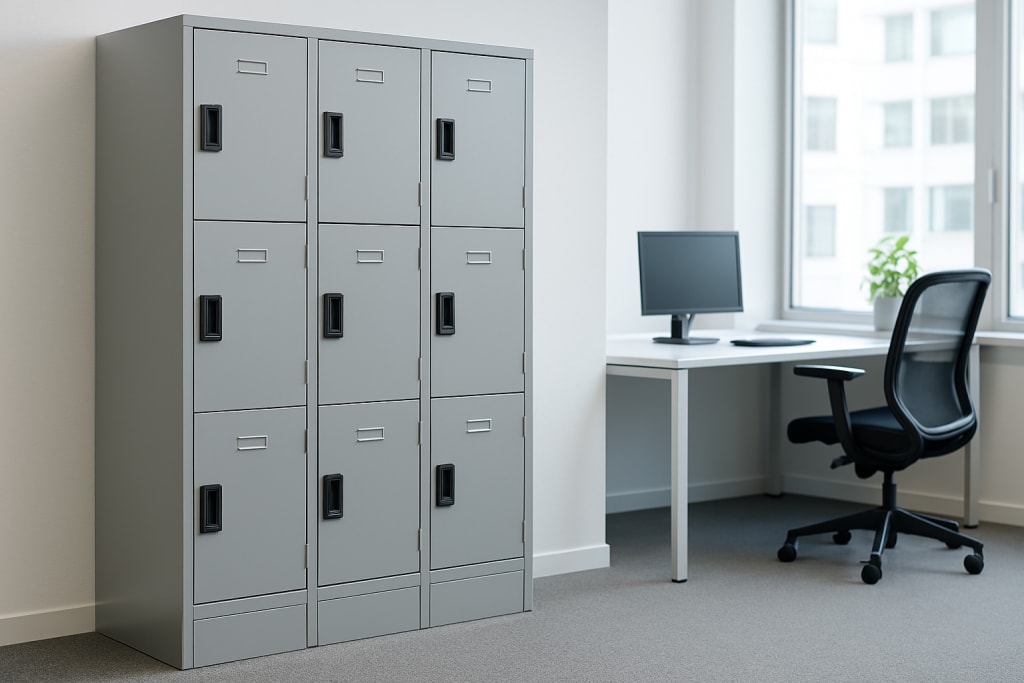
In contemporary office environments where space is often limited and efficient workflows are prioritised, lockers play a more vital role than ever before. Traditionally viewed as a basic amenity, lockers have evolved into an essential component of workplace infrastructure. Their contribution to both employee productivity and office cleanliness is supported by a growing body of research and best practices in facilities management. Among the various storage solutions available, steel lockers for sale are increasingly recognised for their robustness, practicality, and relevance in modern organisational settings.
The Role of Lockers in Promoting Organisational Efficiency
One of the fundamental advantages of incorporating lockers into the workplace is the structured storage they provide. Employees require secure spaces to store personal belongings, work tools, and electronic devices when not in use. Without designated storage options, items are often left on desks, in drawers, or in communal areas, leading to clutter and disorganisation.
By offering individual storage compartments, lockers allow staff to keep their workstations clear and focused. A tidy workspace reduces distractions and supports cognitive clarity, which, in turn, can improve concentration and task efficiency. Furthermore, lockers help reduce the time employees spend searching for misplaced items, leading to smoother transitions between tasks and overall time savings.
Impact on Office Cleanliness and Hygiene
Cleanliness is not merely an aesthetic consideration; it is directly linked to health, morale, and workplace culture. Lockers provide a practical mechanism to maintain order and cleanliness throughout the office. By encouraging employees to store personal and professional items out of sight, lockers limit clutter and enable cleaning staff to perform their duties more effectively.
This is particularly important in shared or hot-desking environments where multiple individuals use the same workstation throughout the day. The availability of lockers allows employees to store their belongings securely and avoid leaving them behind, supporting hygiene and accountability in communal areas.
The material of the locker also plays a role in maintaining sanitary conditions. For example, steel lockers for sale are often chosen because of their non-porous surfaces, which are easy to clean and resistant to bacteria and mould. This makes them especially suitable in industries where hygiene is a top priority, such as healthcare, manufacturing, and food services.
Lockers and Employee Wellbeing
Beyond their practical uses, lockers can contribute to psychological wellbeing and professional satisfaction. Knowing that their personal items are safe can provide employees with peace of mind, which fosters a sense of trust between staff and the organisation. Secure storage also deters theft and loss, which are common concerns in high-traffic office environments.
Moreover, lockers can be configured to support inclusivity and privacy. For example, gender-neutral locker areas and customisable locker sizes accommodate diverse employee needs and support inclusive workplace design. These considerations are increasingly important in fostering a culture of respect and equity.
Enhancing Mobility in Agile Workspaces
As hybrid and flexible working models become more common, the need for adaptable office solutions has grown. In agile workspaces where employees do not have fixed desks, lockers serve as a critical component of infrastructure. They offer a consistent, personalised space for storage, even when seating arrangements change daily.
This flexibility supports the principles of activity-based working, where employees move between different areas depending on the nature of their work. Lockers help facilitate this mobility by providing a secure base from which employees can operate, making it easier to transition between tasks and locations without disruption.
Considerations for Implementation
While the benefits of lockers are clear, their implementation must be strategic. Factors such as locker size, location, quantity, and security features should be tailored to the specific needs of the organisation. Digital access systems, ventilation, and durability are also important criteria.
The use of steel lockers for sale provides an optimal balance of strength, longevity, and cost-efficiency. Steel is a resilient material that withstands daily wear and tear, making it a wise investment for high-traffic office environments. Moreover, steel lockers are available in various configurations, from single-tier units to more compact, multi-tiered solutions, providing flexibility in design and application.
Conclusion
Lockers are far more than a basic storage solution. When thoughtfully implemented, they contribute significantly to employee productivity, workplace cleanliness, and overall organisational efficiency. The adoption of lockers—particularly durable and hygienic options such as steel lockers for sale—can play a pivotal role in supporting modern office dynamics. As work environments continue to evolve, the strategic inclusion of lockers will remain an important aspect of functional and effective workspace design.
About the Creator
CCFNZ
Capital Commercial Furniture is a New Zealand company that specialises in supplying diverse office, hospitality, and education furniture. Shipping from warehouse, offers competitive prices on quality furniture with up to 15 year warranty.
Enjoyed the story? Support the Creator.
Subscribe for free to receive all their stories in your feed.
Comments
There are no comments for this story
Be the first to respond and start the conversation.