
Do Portable Solar Panels Work in Cloudy Weather?
Exploring the Efficiency of Portable Solar Panels on Overcast Days

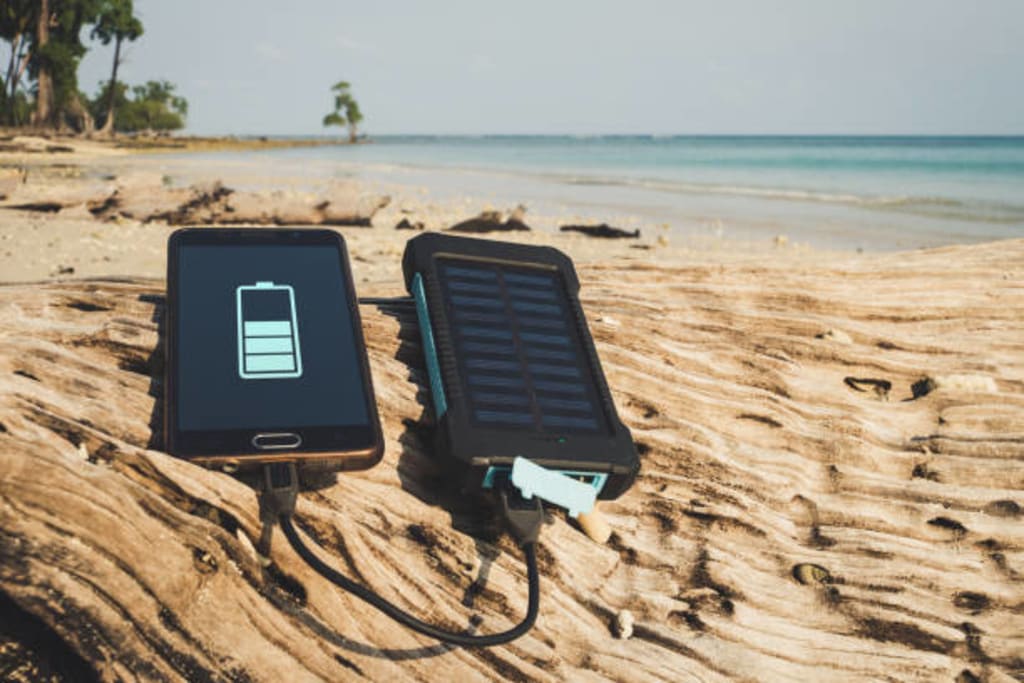
Harnessing solar power has become an increasingly popular way to generate clean and renewable energy. Portable solar panels are a versatile solution, allowing people to charge their devices, power appliances, or even run small setups while on the move. But one common question arises: Do portable solar panels work in cloudy weather? Let’s explore how solar panels perform when the sun isn’t shining brightly.
Understanding How Portable Solar Panels Work
Portable solar panels convert sunlight into electricity using photovoltaic (PV) cells. These cells absorb sunlight and create an electric current, which is then used to power devices or stored in a battery for later use. While they are designed to function optimally under direct sunlight, advancements in solar technology have made it possible for them to generate electricity even on cloudy days. However, the efficiency of the panels may vary depending on the weather and the type of solar panel being used.
The Science Behind Solar Panels in Cloudy Weather
Cloudy weather reduces the amount of sunlight that reaches the Earth’s surface. While this can lower the efficiency of solar panels, it doesn’t stop them from working altogether. Photovoltaic cells can capture diffuse sunlight, which is scattered through the clouds, and convert it into electricity.
Modern portable solar panels are designed with high sensitivity, enabling them to function even in low-light conditions. However, the energy output in cloudy weather is generally about 10-25% of what the panels produce under direct sunlight. Despite this reduction, the ability to generate power in such conditions makes portable solar panels an excellent choice for travellers, campers, and even homeowners in areas with variable weather.
Factors That Influence Solar Panel Performance in Cloudy Weather
- Type of Solar Panel Technology: Portable solar panels are made using different technologies, such as monocrystalline, polycrystalline, and thin-film. Monocrystalline panels tend to perform better in cloudy weather due to their higher efficiency and ability to capture low-light solar energy.
- Weather Conditions: The density and thickness of clouds play a significant role in determining the panels’ performance. Light, overcast skies allow more sunlight to pass through compared to dense, stormy clouds.
- Panel Orientation and Angle: Proper positioning of the panels can maximise the capture of available sunlight. Angling the panels towards the direction of the sun, even when it’s behind clouds, can improve energy output.
- Quality of the Panels: The performance of solar panels in cloudy weather also depends on their build quality. Premium panels offered by reputed manufacturers often perform better due to advanced technology and superior materials.
How to Maximise Efficiency of Portable Solar Panels on Cloudy Days
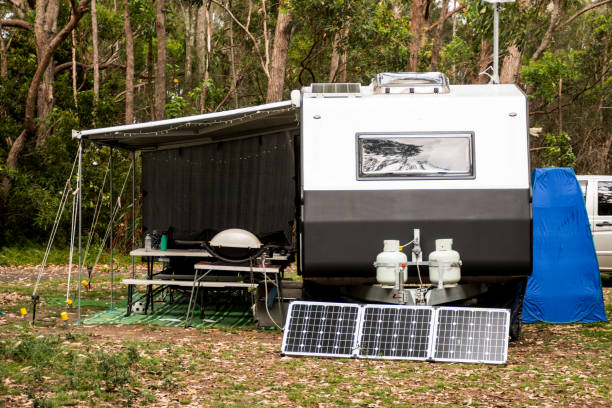
While solar panels naturally produce less power on cloudy days, there are several steps you can take to optimise their performance:
- Keep the Panels Clean: Dust, dirt, and debris can further reduce the panels’ ability to capture sunlight. Regular cleaning ensures maximum efficiency.
- Use a Solar Battery: Storing energy in a battery during sunny days can provide a reliable backup for cloudy periods.
- Invest in High-Quality Panels: Choose portable solar panels from trusted manufacturers with a reputation for performance in low-light conditions.
- Monitor Panel Positioning: Adjust the angle and orientation of the panels throughout the day to maximise exposure to sunlight.
Real-Life Applications of Portable Solar Panels in Cloudy Weather
Despite reduced efficiency, portable solar panels remain useful in various scenarios:
- Outdoor Adventures: Campers and hikers can still charge essential devices, like phones and GPS units, even in overcast conditions.
- Emergency Backup: During power outages caused by storms, solar panels can provide a critical energy source.
- Homeowners: While they might not fully power a home, portable panels can supplement energy needs on cloudy days.
The Role of Solar Panel Suppliers in Improving Efficiency
Solar panel suppliers play a crucial role in providing high-quality and efficient products. They offer panels equipped with advanced technologies designed to perform well in various weather conditions. Choosing reliable solar panel suppliers ensures that you invest in durable and efficient products, making cloudy days less of a concern.
Suppliers also provide valuable guidance on the type of panels best suited for specific needs. For instance, monocrystalline panels are often recommended for areas with frequent cloudy weather, as they outperform other types in low-light conditions.
Portable Solar Panels: An All-Weather Solution
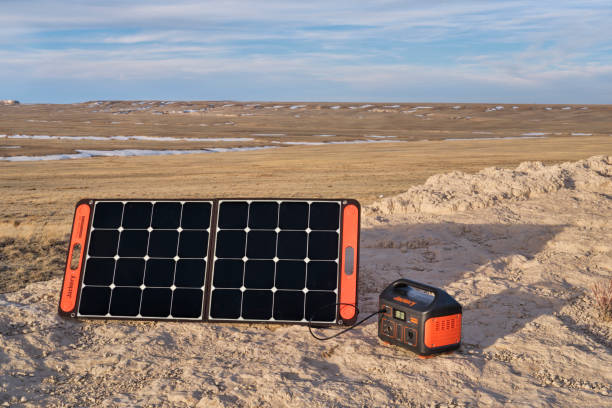
While cloudy weather impacts the energy output of portable solar panels, it doesn’t render them useless. Thanks to advancements in solar technology, modern panels are more efficient and capable of generating power even in less-than-ideal conditions. This makes them a reliable choice for a wide range of applications, from camping to emergency preparedness.
Conclusion
Portable solar panels are a versatile and eco-friendly solution for harnessing renewable energy, even in cloudy weather. Although their efficiency decreases on overcast days, they can still provide a reliable source of power for various needs. For those looking to invest in high-quality portable panels or learn more about their benefits, Contact us today! We’ll help you find the best solar panel solutions to match your requirements, ensuring maximum performance in all weather conditions.
About the Creator
Sungold Solar
Sungold Solar leads the way in durable, high-performance solar technology, utilising patented materials and top-tier A+ grade mono cells.
Visit us for more: https://www.sungoldsolar.com
Enjoyed the story? Support the Creator.
Subscribe for free to receive all their stories in your feed.
Comments
There are no comments for this story
Be the first to respond and start the conversation.