
Do Dental Implants Help with Bruxism? Myths vs. Facts
Unveiling the Truth: Can Dental Implants Tackle Bruxism, or Are They Just a Sturdy Smile Upgrade? Let’s Separate Myths from Facts!
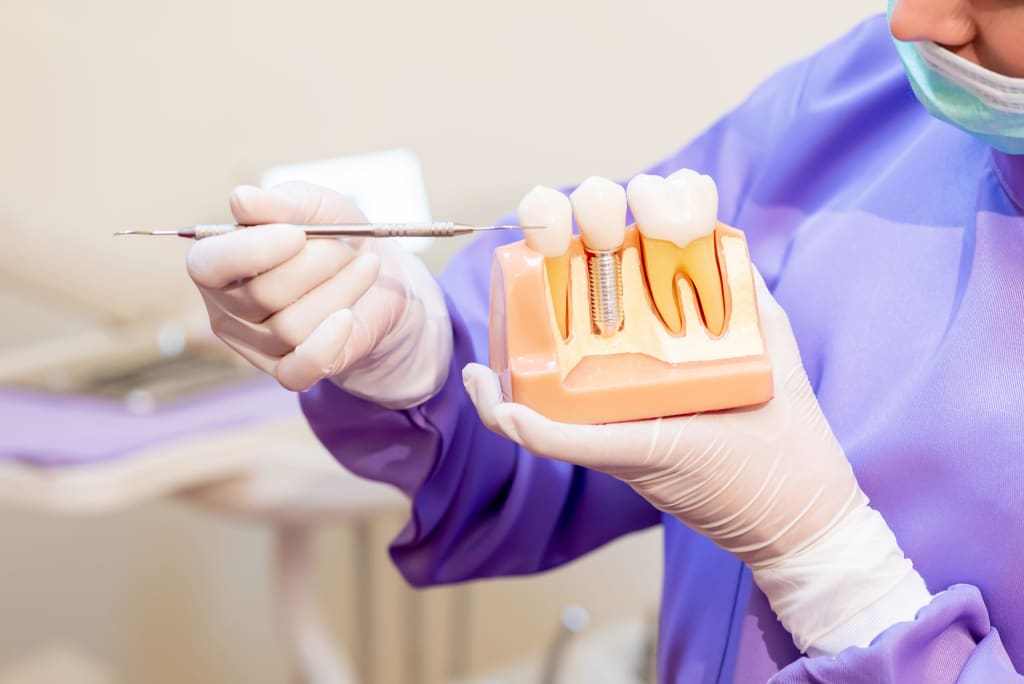
Hey there! If you’re grinding your teeth at night or clenching your jaw like it’s auditioning for a stress-relief commercial, you’ve probably heard of bruxism. Maybe you’re even missing a tooth or two and wondering if dental implants could be the magic fix. It’s a great question, and one that’s surrounded by a mix of myths, half-truths, and some solid facts. So, let’s dive in, bust some myths, and figure out if dental implants can really help with bruxism—or if they’re just another dental rumor floating around. Grab a cup of coffee (or a mouthguard), and let’s chat!
What Is Bruxism, Anyway?
Before we get into the nitty-gritty, let’s make sure we’re on the same page. Bruxism is the fancy term for teeth grinding or jaw clenching, usually while you’re asleep (though some folks do it during the day too). It’s like your jaw decided to start a workout routine without telling you. Over time, it can wear down your teeth, cause jaw pain, and even lead to headaches that make you question your life choices.
For some, bruxism is a mild annoyance. For others, it’s a full-on dental disaster. And if you’ve lost a tooth—whether from grinding or something else—you might be eyeing dental implants as a solution. But do they actually help with the grinding itself? Let’s break it down.
Myth #1: Dental Implants Stop Bruxism in Its Tracks
Okay, let’s tackle the big one first. Some people think that getting dental implants West Palm Beach (or anywhere, really) will somehow “fix” bruxism. The logic goes like this: implants are strong, they replace missing teeth, so they must stop the grinding, right? Not quite.
The Fact:
Dental implants are awesome for replacing missing teeth—they’re like the superheroes of restorative dentistry. They’re made of titanium, fuse with your jawbone, and can handle a lot of pressure. But here’s the catch: they don’t address the root cause of bruxism. Grinding comes from muscle activity, stress, or even sleep disorders, not from the teeth themselves. So, while implants can fill the gaps, they won’t stop your jaw from doing its nightly cha-cha.
That said, implants can help in an indirect way. If you’ve lost teeth due to bruxism’s wear-and-tear, replacing them with implants restores your bite. A balanced bite might reduce some strain on your jaw—but it’s not a cure. Think of it as a helpful sidekick, not the main hero.
Myth #2: Dental Implants Can’t Handle Bruxism
On the flip side, some folks worry that bruxism will destroy dental implants faster than you can say “mouthguard.” They picture their shiny new implants cracking under the pressure of relentless grinding. Scary thought, huh?
The Fact:
Implants are tough—way tougher than natural teeth in some ways. They’re designed to withstand normal chewing forces, and studies show they have a success rate of over 95% even after 10 years. But bruxism? That’s a whole different beast. The excessive force can put stress on implants, especially the crowns (the visible part). Over time, this might lead to chipped crowns or, in rare cases, implant failure.
Here’s the good news: with proper care, implants can still thrive. Dentists often recommend a nightguard (a custom one, not the drugstore kind) to protect both your implants and natural teeth. So, bruxism doesn’t rule out implants—it just means you need a game plan.
How Dental Implants Fit Into the Bruxism Puzzle?
Now that we’ve debunked a couple myths, let’s talk about how dental implants in West Palm Beach actually play with bruxism. If you’re missing teeth, implants can be a game-changer for your smile and your confidence. But when bruxism’s in the mix, there’s more to consider.
Benefits of Dental Implants with Bruxism
- Restored Function: Missing teeth mess with your bite, and bruxism can make it worse. Implants bring balance back, so you’re not overworking the remaining teeth.
- Jawbone Health: Grinding or not, implants stimulate your jawbone, preventing bone loss that happens when teeth are gone.
- Durability: Unlike dentures that might slip during a grinding session, implants stay put.
Things to Watch Out For
- Crown Wear: The porcelain or ceramic crown on an implant might wear down faster with bruxism. Regular checkups can catch this early.
- Extra Pressure: Grinding puts stress on the implant and surrounding bone. A nightguard can take the heat off.
In short, implants don’t “help” bruxism directly, but they can coexist with it if you’ve got the right strategy.
Myth #3: Bruxism Makes Dental Implants Impossible
Here’s another whopper: some think that if you grind your teeth, you’re automatically disqualified from getting implants. Like, “Sorry, clenchers need not apply.”
The Fact:
Bruxism doesn’t ban you from the implant club—it just adds a layer of planning. Dentists will assess your grinding habits, jaw health, and overall oral condition before giving the green light. If your bruxism is mild, you might sail through with no issues. If it’s severe, they might suggest tackling the grinding first (think stress management or a nightguard) before placing implants.
The key? Communication. Tell your dentist about your grinding—they’re not mind readers (though that’d be cool). With the right prep, implants can still work wonders.
Managing Bruxism Alongside Dental Implants
So, you’ve got bruxism, and you’re eyeing implants. How do you make it work? Here’s a practical rundown:
Tips to Protect Your Implants
- Wear a Nightguard: This is non-negotiable. A custom-fitted guard cushions the blow of grinding, protecting both implants and natural teeth.
- Stress Less: Easier said than done, but stress is a big bruxism trigger. Yoga, meditation, or even a good Netflix binge might help.
- Regular Checkups: Keep an eye on your implants with routine dental visits. Catch wear early, and you’ll save yourself a headache (literally).
What Your Dentist Might Suggest
- Bite Adjustment: If your bite’s off, they might tweak it to ease jaw strain.
- Stronger Materials: Some dentists use extra-durable crowns (like zirconia) for grinders.
- Therapy: In rare cases, Botox or muscle relaxants can calm an overactive jaw.
The Bottom Line: Myths vs. Facts Recap
Let’s wrap this up with a quick cheat sheet:
- Myth: Implants cure bruxism. Fact: They don’t, but they can improve your bite and smile.
- Myth: Implants can’t handle grinding. Fact: They can, with proper protection like a nightguard.
- Myth: Bruxism rules out implants. Fact: Nope, it just means extra planning.
Dental implants are a fantastic option for replacing missing teeth, even if you’re a grinder. They won’t stop bruxism, but they can live alongside it with the right care. If you’re curious about your options, chat with a dentist who gets both implants and bruxism—they’ll steer you right.
So, what’s your next step? If you’re losing sleep over grinding or missing teeth, maybe it’s time to explore your options. Your smile (and your jaw) will thank you!
About the Creator
Family Dentistry of Forest Hill
Family Dentistry of Forest Hill – Your trusted dentist in West Palm Beach offering gentle, personalized care for all ages. From cleanings to cosmetic treatments, we keep smiles healthy in a warm, modern office.
Enjoyed the story? Support the Creator.
Subscribe for free to receive all their stories in your feed.
Comments
There are no comments for this story
Be the first to respond and start the conversation.