
DIY Gas Appliance Troubleshooting: When to Call a Pro
How to Safely Troubleshoot Gas Appliances and Know When It's Time for a Pro

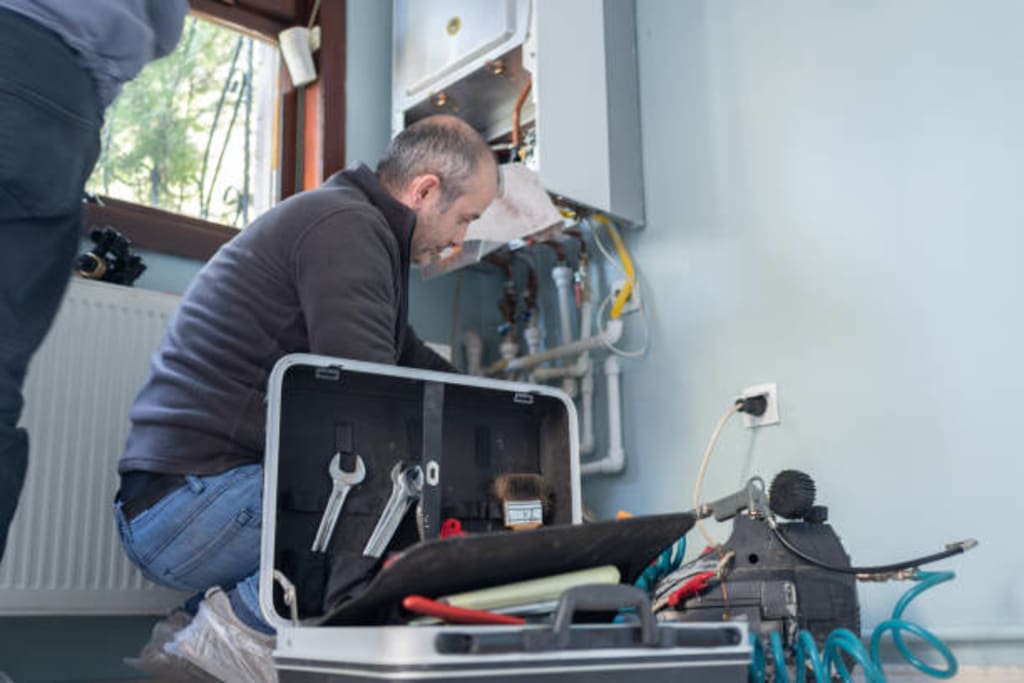
Gas appliances such as stoves, ovens, boilers, and water heaters are essential for many homes, offering efficient heating and cooking capabilities. However, with the benefits of gas-powered appliances comes the responsibility of maintaining them properly and ensuring they function safely. While some issues can be addressed with basic DIY troubleshooting, others require professional assistance. This guide will walk you through the steps to troubleshoot your gas appliances and help you determine when it's time to call a professional.
Understanding How Gas Appliances Work
Before diving into troubleshooting, it's important to understand how gas appliances function. Gas-powered appliances use natural gas or propane as fuel, which is delivered through a pipeline or a storage tank. The gas is then ignited by a pilot light or an electronic ignition system to produce heat for cooking or warming water.
Gas appliances are equipped with various safety mechanisms, such as thermocouples and flame sensors, that monitor the flame and shut off the gas supply if any malfunction is detected. Knowing these basic elements can help you better identify potential issues during troubleshooting.
Identifying Common Gas Appliance Problems
While gas appliances are generally reliable, they can occasionally develop issues. Common problems include poor ignition, insufficient heating, unusual noises, or gas odours. Some of these problems can be addressed with basic DIY troubleshooting, while others may require the expertise of a qualified gas engineer.
Poor Ignition or No Flame
If your gas appliance isn't igniting or the flame is weak, the issue could be related to the pilot light or the ignition system. For appliances with a pilot light, check if it's lit. If it’s not, relighting it could solve the problem. For those with electronic ignition, the issue might be a faulty igniter, which may need to be cleaned or replaced.
Strange Noises
Unusual noises coming from your gas appliance, such as rattling, hissing, or banging, can indicate a problem with gas flow or burner alignment. Cleaning the burners and ensuring they are correctly aligned can often resolve these noises. However, if the noise persists, it's best to contact a professional.
Gas Odours
If you smell gas, this is a red flag. A gas leak is a serious safety concern and should not be handled with DIY troubleshooting. If you suspect a gas leak, evacuate your home immediately and contact your gas provider or a qualified gas engineer. Do not attempt to locate or fix the leak yourself.
Insufficient Heating
If your gas appliance is not heating efficiently, it could be due to a clogged burner or dirty components. Cleaning the burners, checking for blockages, and inspecting the thermostat settings may resolve the issue.
Basic DIY Troubleshooting Steps
For minor issues, you may be able to troubleshoot your gas appliance without the need for a professional. Here are some basic steps you can take:
1. Check the Gas Supply
Before attempting any repairs, ensure that your gas supply is turned on and that there are no issues with your gas provider. If you're using a propane tank, make sure it has sufficient fuel. A simple lack of gas could be the cause of your appliance malfunction.
2. Inspect the Pilot Light
For gas appliances with a pilot light, check if it’s lit. If it’s out, follow the manufacturer’s instructions for relighting it. If the pilot light won’t stay lit, this could indicate a faulty thermocouple that needs to be replaced.
3. Clean the Burners
Dirty or clogged burners can affect the performance of your gas appliance. Remove any debris or food particles from the burners and clean them with a soft brush or cloth. This can improve the efficiency of your appliance and resolve minor heating issues.
4. Check for Blockages
For gas ovens and stoves, ensure that no food or grease is obstructing the gas flow. In water heaters, sediment build-up can reduce efficiency, so it’s worth flushing the tank regularly to prevent this issue.
5. Reset the Appliance
Sometimes, resetting your appliance can resolve minor glitches. Unplug the appliance, wait for a few minutes, and then plug it back in. This may clear any temporary errors in the system.
When to Call a Gas Engineer
While some issues can be handled with DIY troubleshooting, there are several scenarios where calling a professional is essential. Gas appliances operate under high pressure and can pose serious risks if not handled properly. Here are some situations where it’s best to call a gas engineer:
1. Gas Leaks
If you smell gas or suspect a gas leak, you should immediately stop troubleshooting and call a gas engineer. Gas leaks are dangerous and can lead to explosions or carbon monoxide poisoning. Evacuate your home, avoid using electrical switches, and contact a professional to assess the situation.
2. Persistent Ignition Problems
If your appliance refuses to ignite despite cleaning the burners and checking the pilot light, the issue could be more complex, such as a faulty gas valve or ignition system. A gas engineer can safely inspect the components and carry out any necessary repairs.
3. Faulty Thermocouple or Flame Sensor
The thermocouple and flame sensor are critical safety components that ensure gas is only supplied when a flame is present. If these components are malfunctioning, they should be replaced by a qualified gas engineer to prevent gas leaks or unsafe operation.
4. Major Component Failures
If you suspect a major component failure, such as a broken gas valve, cracked heat exchanger, or damaged piping, it's best to leave the repairs to a professional. Attempting to fix these complex components without the proper knowledge or tools can result in further damage or safety hazards.
Electrical Issues and When to Call an Emergency Electrician
While troubleshooting gas appliances, you may also encounter electrical issues, especially if your appliance has an electronic ignition system or other electrical components. If you notice flickering lights, electrical sparks, or a burning smell around the appliance, it may indicate an electrical fault.
In such cases, it’s crucial to stop using the appliance and contact an emergency electrician. Electrical problems can increase the risk of fire or electric shock, and they should be addressed promptly by a professional. Never attempt to troubleshoot electrical issues yourself, as this can be highly dangerous.
The Importance of Regular Maintenance
Whether you troubleshoot your gas appliance on your own or call a professional, regular maintenance is key to keeping your appliances running efficiently and safely. Scheduling routine inspections and servicing by a qualified gas engineer can help prevent costly repairs and ensure your appliances are functioning correctly. During a maintenance check, the engineer will clean components, check for leaks, and test safety mechanisms to ensure everything is in proper working order.
In addition to professional maintenance, you can perform basic upkeep by cleaning burners, checking for blockages, and ensuring the gas supply is secure. Regular care can extend the life of your gas appliances and help you spot potential issues before they become serious.
Conclusion
Gas appliances are a convenient and efficient part of modern homes, but they require careful attention and maintenance to function safely. While some minor issues can be resolved through DIY troubleshooting, it’s important to know when to call a professional. If you experience persistent ignition problems, suspect a gas leak, or encounter electrical issues, it’s best to consult a gas engineer or an emergency electrician.
By understanding the basics of gas appliance troubleshooting and knowing when to seek professional help, you can keep your home safe and ensure your appliances continue to perform at their best. Regular maintenance and prompt action in the face of potential problems will not only keep your gas appliances running efficiently but also give you peace of mind.
About the Creator
David Love Property
David Love Property provides expert property development, rentals, repairs, and renovations in Edinburgh. David Love ensures every project delivers excellent values.
Website: https://www.davidlove.co.uk/
Enjoyed the story? Support the Creator.
Subscribe for free to receive all their stories in your feed.
Comments
There are no comments for this story
Be the first to respond and start the conversation.