
Deodorants Market: A Global Personal Care Evolution
Whole-Body Application Formats and Precision Roll-Ons Guide the Eco-Conscious Grooming Sector Toward USD 34 Billion by 2031

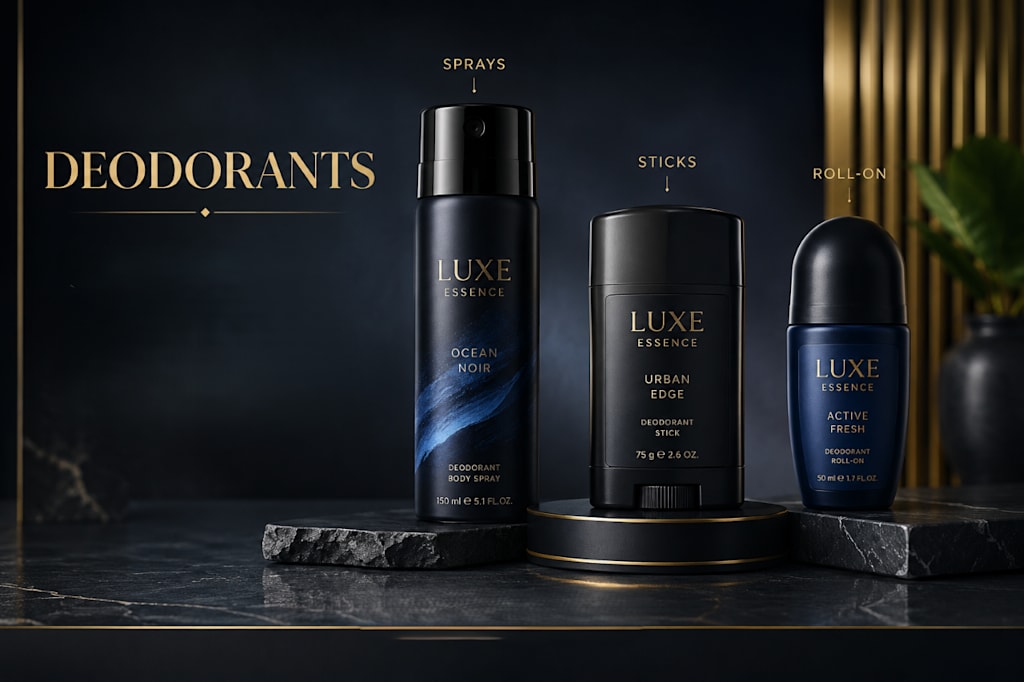
I’ve started noticing a distinct structural shift in personal care routine and bathroom counter setup lately. It wasn’t that long ago that applying deodorant was a completely localized, automatic step right after stepping out of the morning shower, strictly limited to a quick swipe under the arms. But browse any beauty retail aisle or scroll through a modern wellness feed today, and you will see the entire freshness category expanding. Consumers are adopting skincare-grade formulas designed for the whole body, tossing sleek refillable sticks into their gym bags, and paying close attention to microbiome-friendly ingredients that balance, rather than strip, the skin.
This lifestyle transition is generating massive economic value. According to the latest data from Mordor Intelligence, the global deodorants market size is estimated to grow from USD 26.94 billion in 2026 to reach USD 34.85 billion by 2031. Fueled by a major movement toward multi-functional body care and sustainable materials, the market is forecast to expand at a steady 5.28% CAGR.
The Paradigm Shift: Standard Underarms to Whole-Body Care
The primary driver behind this multi-billion-dollar expansion is a rapid, consumer-led expansion of odor-control boundaries. Modern users are no longer treating sweat as an isolated underarm issue; they are broadening their personal grooming routines to include the chest, torso, feet, and pelvic zones.
This behavioral pivot has fueled the explosive rise of whole-body deodorant formats. Leading multinational portfolios, including heavy strategic scaling by conglomerates like Unilever with its Dove and Rexona lines, have captured double-digit growth by commercializing all-over sprays, water-based creams, and multi-functional solid sticks. By framing sweat as a normal physiological function to be managed gently rather than a flaw to be aggressively blocked, brands are driving significantly higher per-capita product usage across both male and female demographics.
Formulation Science: Microbiomes and Natural Ingredients
What goes inside these containers is undergoing a high-tech overhaul as consumers display a pronounced preference for clean-label, skin-compatible products:
- Microbiome Negotiation: Instead of using harsh synthetic chemicals to completely sterilize the skin, 2026 formulations are leaning into prebiotic and selective antimicrobial technologies. These compounds feed "good" bacteria to naturally outcompete odor-causing strains, protecting the skin's delicate acid mantle.
- Aluminum-Free Purity: Concerns regarding skin sensitivity and synthetic additives have driven a massive launch cycle of aluminum-free and plant-derived formulations. Brands are utilizing natural protectants like sage extract, aloe vera, and oil-absorbent diatomite to provide clean, gentle freshness.
- Precision Application: Consumer preference is shifting toward precision roll-on applicators. Holding a prominent position in the market, roll-ons are highly favored because their fluid, skin-friendly emulsions glide easily, distribute active ingredients evenly, and reduce product waste.
Subscription Economics and Digital Direct-to-Consumer Channels
The path to commercial shelf space has been completely rewritten by digital commerce. Direct-to-consumer (DTC) subscription models are fundamentally transforming retail economics by turning a standard replenishment item into a highly predictable, recurring revenue stream.
By offering friction-free delivery, automated replenishment intervals, and exclusive digital scent drops, online platforms build intense consumer loyalty. This digital acceleration is backed by hyper-targeted online discovery pipelines, where e-commerce networks leverage predictive data analytics to recommend customizable formulations directly to a user's smartphone, bypassing traditional physical endcaps entirely.
Packaging Material Innovation: The Refillable Movement
On the environmental front, stringent global anti-plastic initiatives are pushing the personal care sector to invest heavily in circular packaging designs. The market is witnessing a rapid deployment of refillable and reusable deodorant casings:
- Aesthetic Durability: Brands are moving away from single-use plastics toward high-durability cases crafted from recycled aluminum or premium, ocean-bound plastics designed to look attractive on a vanity table.
- Carbon and Logistics Efficiency: Refillable sachet or pod systems dramatically reduce shipping weights and maximize shipping container space on production lines, directly shrinking a brand's overall carbon footprint.
- M&A Target Strategy: To defend their market share against agile, independent upstarts, established consumer goods giants are aggressively executing strategic acquisitions, buying out boutique, eco-first startups that own established, sustainable supply chains.
Navigating Market Restraints and Volatility
Despite the optimistic long-term projections, manufacturers must navigate complex operational challenges to maintain profitability. The industry faces persistent headwinds from complex, fragmented global regulatory landscapes regarding chemical safety definitions, alongside volatile raw material prices for high-quality natural essential oils.
Furthermore, the widespread prevalence of counterfeit cosmetics and look-alike products across unregulated digital marketplaces risks diluting premium brand equity. Combined with sharp competition from low-cost substitute body sprays and traditional mass-market antiperspirants, these factors create a challenging environment where brands must continuously demonstrate clear efficacy to stay ahead.
Final Thoughts: A Smarter, Cleaner Standard
As the deodorants market marches toward its USD 34.85 billion milestone in 2031, it stands as a perfect example of how a saturated daily necessity can be completely revitalized. By aligning advanced skincare science with sustainable materials and individual body inclusivity, the category is shifting from basic hygiene to a mindful self-care ritual.
The next time you apply a whole-body stick or slide a precision roll-on, take a moment to look at the formula. Behind that simple application sits a global web of advanced microbiology, sophisticated DTC subscription logistics, and a strong corporate push toward absolute waste reduction. Daily personal care is becoming healthier, smarter, and beautifully responsible, one clean application at a time.
About the Creator
Harvey Specter
I am passionate about Food & Beverage, Ag, & Animal Nutrition companies. I help organizations unlock their data's potential and fuel business growth. My expertise transforms raw data into actionable insights for strategic decisions.
Enjoyed the story? Support the Creator.
Subscribe for free to receive all their stories in your feed.
Comments
There are no comments for this story
Be the first to respond and start the conversation.