
Decentralized Finance Wallet Development: 10 Essential Insights for Building the Future of Crypto Finance
Decentralized finance (DeFi) has revolutionized the financial sector by offering an alternative to traditional financial services through blockchain technology.
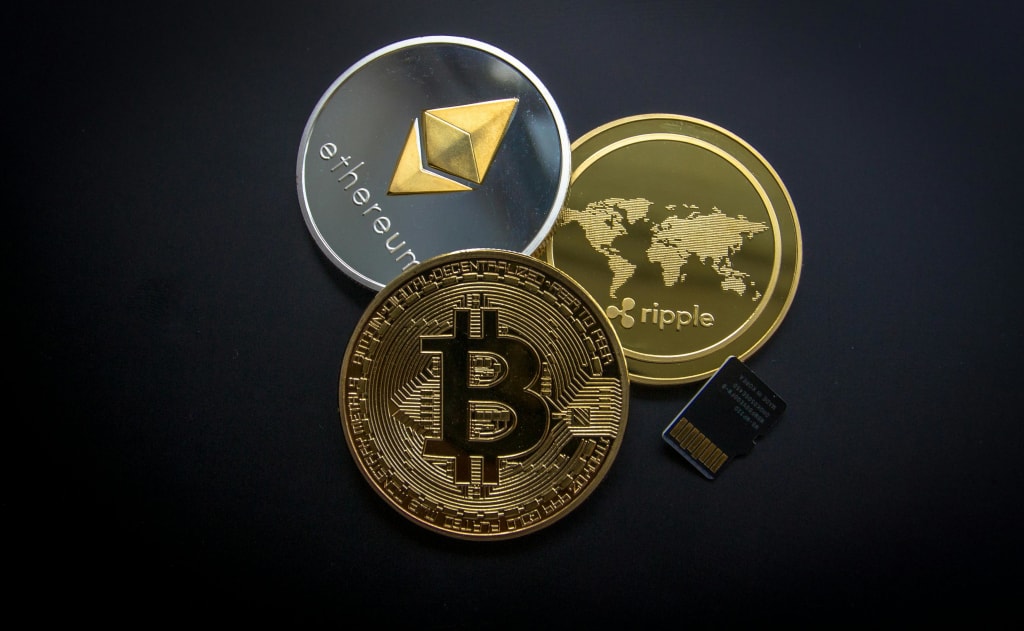
Decentralized finance (DeFi) has revolutionized the financial sector by offering an alternative to traditional financial services through blockchain technology. Central to the DeFi ecosystem are digital wallets, which facilitate secure and seamless interactions with various DeFi protocols. Developing a DeFi wallet requires a deep understanding of blockchain technology, security measures, and user experience. In this article, we will explore 10 key points on decentralized finance wallet development and its role in the evolving landscape of crypto finance.
1. Understanding DeFi Wallets
DeFi wallets are digital wallets specifically designed to interact with decentralized finance applications and services. Unlike traditional wallets, DeFi wallets support a wide range of cryptocurrencies and tokens, enabling users to participate in lending, borrowing, staking, and trading within the DeFi ecosystem.
2. Security Features
Security is paramount in DeFi wallet development. Implementing robust security measures, such as encryption, multi-signature authentication, and biometric verification, is crucial to protect user assets from hacks and unauthorized access. Regular security audits and updates help ensure that vulnerabilities are addressed promptly.
3. User Experience (UX) Design
A seamless and intuitive user experience is essential for the success of any DeFi wallet. The design should be user-friendly, with easy navigation and clear instructions. Features like one-click transactions, portfolio tracking, and responsive design contribute to a positive user experience and increased adoption.
4. Integration with DeFi Protocols
DeFi wallets must integrate with various DeFi protocols and smart contracts. This integration allows users to interact with decentralized exchanges (DEXs), lending platforms, and yield farming services directly from their wallet. Ensuring compatibility with popular DeFi protocols enhances the wallet’s functionality and appeal.
5. Cross-Platform Compatibility
To reach a broader audience, DeFi wallets should be compatible with multiple platforms, including desktop and mobile devices. Developing cross-platform solutions ensures that users can access their wallets and manage their assets from any device, increasing convenience and accessibility.
6. Private Key Management
Private keys are critical for accessing and managing cryptocurrency assets. DeFi wallets must implement secure private key management practices, such as key encryption and secure storage. Users should also be provided with options for backup and recovery in case of key loss or device failure.
7. Token Support and Compatibility
A successful DeFi wallet should support a wide range of tokens and cryptocurrencies, including popular ones like Ethereum (ETH), Binance Coin (BNB), and various ERC-20 tokens. Adding support for new and emerging tokens as they become available keeps the wallet relevant and useful.
8. Decentralized Identity Integration
Decentralized identity (DID) solutions can enhance the functionality of DeFi wallets by providing users with control over their personal information and digital identities. Integrating DID technology enables users to verify their identities securely and participate in DeFi services that require identity verification.
9. Regulatory Compliance
As the DeFi space evolves, regulatory scrutiny is increasing. DeFi wallet developers must stay informed about relevant regulations and ensure compliance with legal requirements. This includes implementing anti-money laundering (AML) and know your customer (KYC) practices where applicable.
10. Community and Developer Support
Active community and developer support can significantly impact the success of a DeFi wallet. Engaging with the crypto community, providing clear documentation, and offering support channels help build trust and encourage adoption. Regular updates and responsiveness to user feedback are also important.
Conclusion
Decentralized finance (DeFi) wallet development plays a crucial role in the expanding DeFi ecosystem, offering users secure and efficient access to a range of financial services. By focusing on key aspects such as security, user experience, integration with DeFi protocols, and cross-platform compatibility, developers can create wallets that meet the needs of today’s crypto users. As the DeFi space continues to grow, staying ahead of technological advancements and regulatory changes will be essential for creating successful and widely adopted DeFi wallets. Embracing these principles and best practices will help drive the future of decentralized finance and contribute to the broader adoption of blockchain technology.
About the Creator
Enjoyed the story? Support the Creator.
Subscribe for free to receive all their stories in your feed.
Comments
There are no comments for this story
Be the first to respond and start the conversation.