
Decaffeinated Coffee Market: a $4.34 Billion Wellness Choice
How better processing technology, younger consumers & specialty roasters are rewriting what decaf actually means

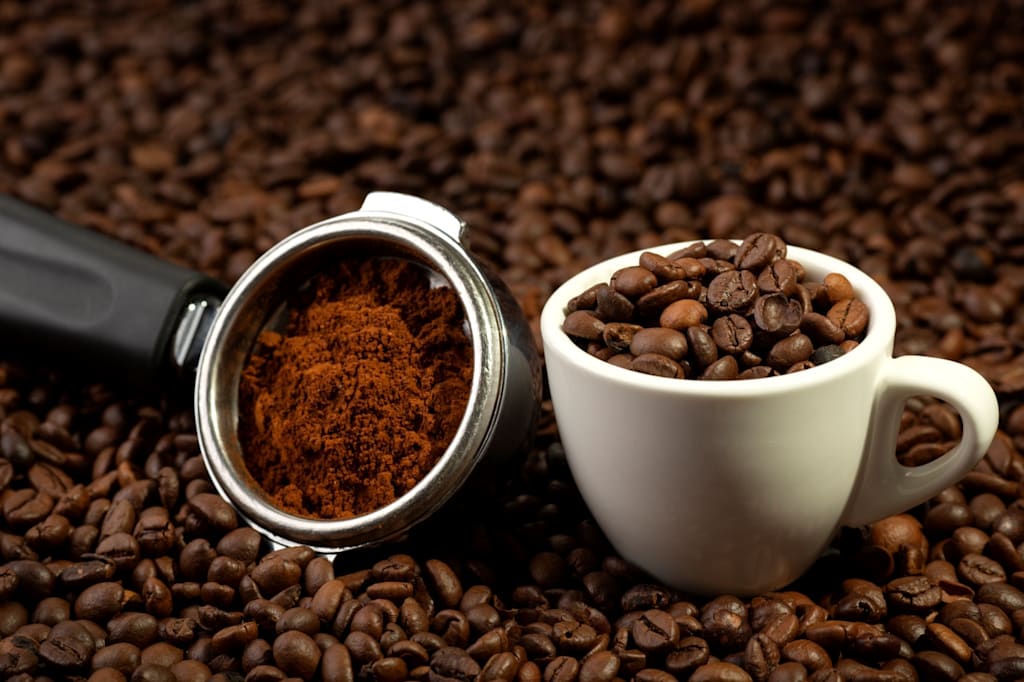
Decaf used to be what you ordered when you could not have the real thing. That perception is changing faster than the coffee industry expected.
For most of its commercial history, decaffeinated coffee carried a reputation problem that had nothing to do with caffeine.
It tasted worse. Not slightly worse. Noticeably, unmistakably worse in ways that made ordering it feel like a concession rather than a choice. The processing methods used to strip caffeine from green coffee beans also stripped out the aromatic compounds and flavor precursors that make coffee worth drinking in the first place. The result was a cup that smelled faintly of the original and delivered a pale approximation of what the drinker actually wanted.
That reputation was earned. And it held the category back for decades while regular coffee culture grew more sophisticated, more origin-focused, and more demanding about quality in ways that contrasted with decaf even more sharply.
The technology has changed. And with it, the market.
According to Mordor Intelligence, the global decaffeinated coffee market is expected to grow from USD 3.15 billion in 2026 to reaching USD 4.34 billion by 2031 at a 6.62% CAGR. That steady growth reflects a category that has solved its fundamental product problem and is now finding new audiences who were waiting for exactly that.
What the Technology Actually Fixed
The decaffeination problem was always a chemistry problem before it became a market problem.
Early decaffeination methods used chemical solvents to extract caffeine from green beans. The solvents worked, but they left residues, altered flavor compounds, and created the processing story that health-conscious consumers found difficult to accept even before taste became the issue. Later methods improved but the trade-off between caffeine removal and flavor preservation remained an unsolved tension at the heart of the category.
Two processing approaches have changed this meaningfully. The Swiss Water Process uses only water and activated charcoal filters to remove caffeine without chemical solvents, producing a genuinely clean processing story that resonates with consumers who read labels and care about what they are putting in their bodies. Subcritical CO2 extraction uses carbon dioxide under precise temperature and pressure conditions to selectively remove caffeine while leaving flavor compounds largely intact. This method can remove up to 99.9% of caffeine while preserving the aromatic profile that makes high-quality coffee worth paying attention to.
These are not marginal improvements. They represent a genuine solution to the flavor problem that defined how consumers thought about decaf for generations. A decaffeinated coffee processed through either of these methods, sourced from quality green beans, and roasted with the same care applied to caffeinated specialty coffee, can produce a cup that competes seriously with its caffeinated equivalent. That possibility did not meaningfully exist before, and it is the foundation on which current market growth is being built.
Why Younger Consumers Are Driving the Shift
The consumer whose changing behavior is most significant for decaffeinated coffee market growth is not the older drinker who switched to decaf on medical advice. It is the younger consumer who has chosen decaf as a deliberate wellness preference.
Millennials and Gen Z have grown up with a cultural emphasis on health optimization that extends to how they think about stimulants. Many in these demographics are managing their caffeine intake deliberately, limiting consumption after certain hours, or reducing overall caffeine load as part of a broader approach to sleep quality, anxiety management, and general wellness. For these consumers, decaf is not a compromise imposed by age or medical necessity. It is a category of choice that lets them continue participating in coffee culture on their own terms.
This reframing matters commercially because it changes both the purchase motivation and the willingness to pay. A consumer who is drinking decaf because they have no other acceptable option will accept a mediocre product. A consumer who has chosen decaf as part of a conscious wellness approach and who brings the same discernment to their coffee as they apply to other food and drink decisions will pay premium prices for Swiss Water processed organic single-origin decaf from a specialty roaster. These are fundamentally different customers, and the second type is growing faster than the first.
The organic positioning that appeals to this consumer segment has become a significant commercial differentiator within the decaf category. Beans grown without synthetic pesticides, processed without chemical solvents, and certified to standards that can be verified and communicated transparently command meaningful price premiums from buyers who prioritize clean-label credentials across their food and drink choices.
How Specialty Roasters Are Building the Premium End
The fragmentation of the decaffeinated coffee market is not a weakness in the category. It is a feature that has allowed niche roasters to build genuinely differentiated positions that the large commodity-oriented players cannot easily replicate.
Origin-specific decaf is the clearest expression of this differentiation. A roaster who sources green beans from a specific farm or cooperative in Ethiopia, Colombia, or Guatemala, processes them through Swiss Water or CO2 extraction to preserve the origin characteristics, and roasts them with the attention given to their best single-origin offerings, is producing something that has no equivalent in the mass-market decaf category. The consumer who values origin transparency, processing integrity, and roasting quality in their regular coffee purchases can now find the same qualities in decaf, and the specialty roaster who provides that is capturing a loyal and premium-paying customer.
This dynamic mirrors what happened in the broader specialty coffee movement a decade earlier. Quality improved. Consumers who cared about quality found better products. Those products commanded higher prices that justified further investment in quality. The cycle is now running in the decaf segment with similar commercial logic.
Where the Market Is Heading Geographically
Europe leads the decaffeinated coffee market in current value, supported by sophisticated café culture, strong consumer interest in food provenance and processing standards, and regulatory frameworks that have historically set high bars for food safety and ingredient transparency. The European consumer who engages seriously with coffee quality has been a natural audience for premium decaf as the category has improved.
Asia-Pacific is the fastest-growing region, driven by rising urban incomes across markets where coffee consumption is expanding rapidly from a lower base. E-commerce infrastructure that allows specialty products to reach consumers beyond major metropolitan centers has accelerated access to premium decaf offerings in markets where physical specialty retail remains concentrated in a small number of cities. The combination of growing coffee culture and improving product quality creates conditions for sustained growth in a region that was largely absent from the premium decaf conversation until recently.
My Closing Thought on This
Decaffeinated coffee spent decades being the option you settled for when you could not have what you actually wanted. The technology that existed made that reputation fair. The technology that exists now makes it obsolete.
A category that solved its fundamental product problem is finding that the audience it needed was there all along. Consumers who wanted to participate in coffee culture without the physiological cost of caffeine were waiting for something worth drinking. The specialty roasters and processing innovators who delivered that have built a market that is growing steadily and shows every sign of continuing to do so.
With the market heading toward USD 4.34 billion by 2031, decaf has stopped being a compromise. It has become a choice.
About the Creator
Harvey Specter
I am passionate about Food & Beverage, Ag, & Animal Nutrition companies. I help organizations unlock their data's potential and fuel business growth. My expertise transforms raw data into actionable insights for strategic decisions.
Enjoyed the story? Support the Creator.
Subscribe for free to receive all their stories in your feed.
Comments
There are no comments for this story
Be the first to respond and start the conversation.