
Data Analytics vs. Business Intelligence: Understanding the Difference
Data Analytics vs. BI

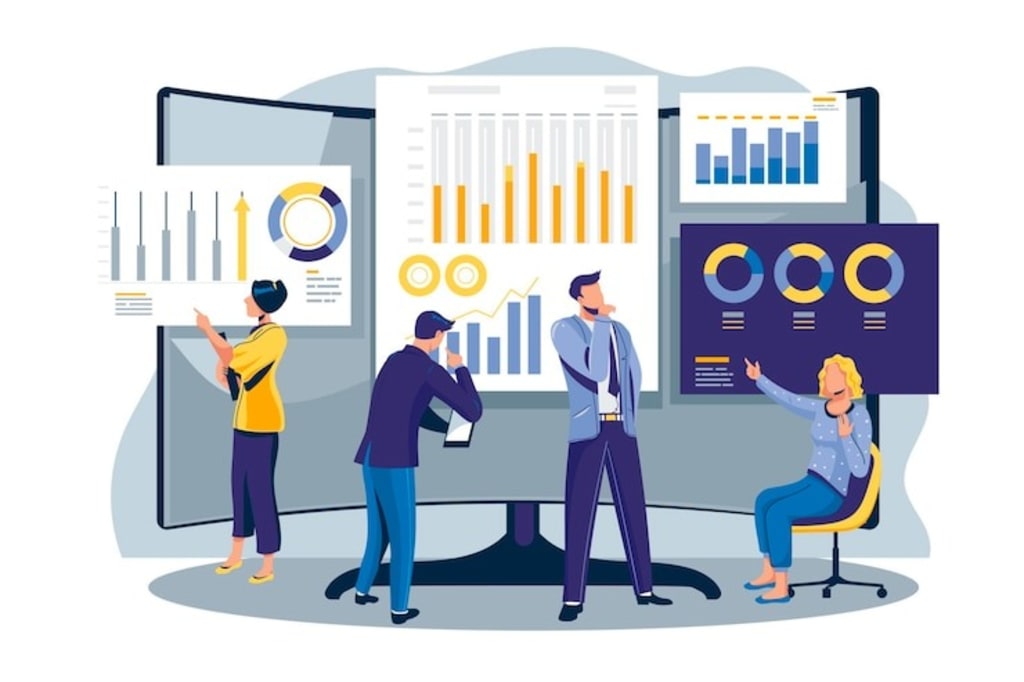
In today’s data-driven world, businesses rely on advanced tools and techniques to harness insights and make informed decisions. Among the most commonly used approaches are data analytics and business intelligence (BI). While these terms are often used interchangeably, they represent distinct methodologies that serve unique purposes in the decision-making process. Understanding the difference between data analytics and business intelligence is crucial for businesses looking to optimize their operations and strategies.
What Is Data Analytics and Business Intelligence?
Data analytics and business intelligence are both essential for interpreting data, but their focus and outcomes differ. Business intelligence primarily revolves around analyzing historical data to provide actionable insights. It involves tools and systems that aggregate and visualize data to help organizations understand past performance and current trends. BI is descriptive, answering the question, “What happened?” and presenting data in dashboards and reports.
On the other hand, data analytics is more expansive and versatile. It includes predictive and prescriptive analytics, using advanced statistical and computational methods to not only interpret past data but also forecast future trends and recommend actions. Data analytics answers deeper questions, such as “Why did this happen?” and “What is likely to happen next?” This analytical approach is especially useful for tackling complex problems and uncovering hidden patterns in data.
The Difference Between Data Analytics and Business Intelligence
The primary difference between data analytics and business intelligence lies in their objectives and methodologies. BI is about consolidating and presenting data for better visibility into past and present performance. It’s often used by executives and managers to monitor key performance indicators (KPIs) and make tactical decisions.
In contrast, data analytics goes beyond just monitoring. It leverages algorithms, machine learning, and statistical models to dive deeper into datasets. While BI provides a snapshot of current conditions, data analytics focuses on exploring “what-if” scenarios and delivering data-driven recommendations for strategic planning.
Applications in Business
Both approaches are invaluable across industries. For instance, data analytics services can help retailers predict inventory needs, while BI tools allow them to monitor daily sales trends. Together, these methodologies enable organizations to function more efficiently and remain competitive in their respective markets.
In finance, business intelligence helps track revenue, expenses, and fraud, whereas data analytics can predict market trends and optimize investment strategies. Similarly, in healthcare, BI tools manage patient records and operational efficiency, while data analytics aids in predicting disease outbreaks and personalizing treatment plans.
Integration of Data Analytics and Business Intelligence
While there is a clear distinction between the two, businesses often integrate data analytics for business intelligence to get a more holistic view of their operations. This integration ensures that historical data analysis informs predictive models, creating a feedback loop that enhances decision-making processes.
The Future of Data Analytics and Business Intelligence
As technology evolves, the lines between data analytics and business intelligence are likely to blur further. Advanced tools now offer hybrid solutions that combine descriptive, diagnostic, predictive, and prescriptive analytics under one platform. Businesses adopting these technologies will be better equipped to navigate the complexities of modern markets.
In conclusion, understanding the distinction and synergy between data analytics and business intelligence is essential for leveraging their full potential. While BI provides a foundation by summarizing past performance, data analytics builds on this by offering foresight and actionable strategies. Together, they empower organizations to make smarter, data-driven decisions in a competitive landscape.
About the Creator
GrapesTech Solutions Pvt. Ltd.
GrapesTech Solutions is a top IT consultancy company offering next-gen services & research-based consumer-brand relationship recommendations.
Enjoyed the story? Support the Creator.
Subscribe for free to receive all their stories in your feed.
Comments
There are no comments for this story
Be the first to respond and start the conversation.