
Cut Costs with an Expert Solar Energy Company
Affordable, Efficient, and Sustainable Energy Solutions from a Trusted Solar Energy Company.
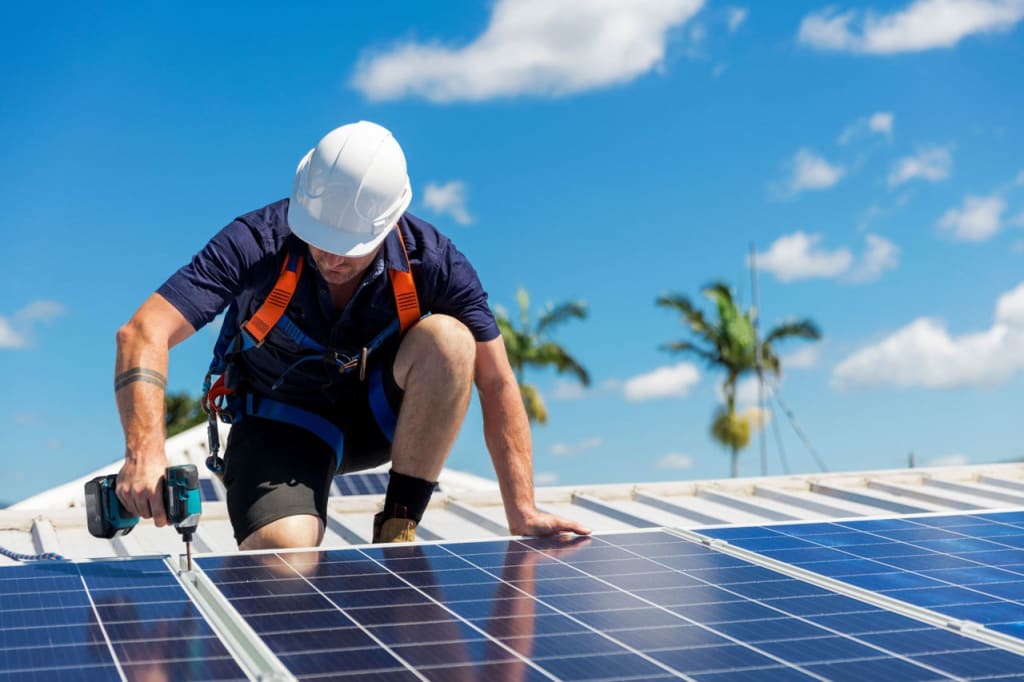
Switching to solar energy isn’t just about slapping panels on your roof—it’s a strategic investment in your home, wallet, and planet. As someone who took the leap, I’ve learned that partnering with a professional solar company isn’t just helpful—it’s essential. Here’s why.
1. Solar Adoption is Booming—Here’s What the Numbers Say
The U.S. solar industry is exploding. According to the Solar Energy Industries Association (SEIA), over 30 gigawatts (GW) of solar capacity was installed in 2023—enough to power 5.4 million homes. This surge isn’t just about eco-conscious trends; it’s driven by rising electricity costs (up 5.3% in 2023, per the U.S. Bureau of Labor Statistics) and federal incentives like the 30% Solar Investment Tax Credit (ITC).
But here’s the catch: Not all solar companies deliver the same value.
2. Expertise Matters: Avoid Costly DIY Mistakes
When I first considered solar, I naively thought installation was as simple as mounting hardware. Wrong.
A professional solar company evaluates your home’s energy needs, roof structure, and local climate to design a system that maximizes efficiency. For example:
Panel Placement: My installer adjusted the tilt and orientation of my panels to capture 22% more sunlight annually.
Inverter Quality: They recommended a microinverter system over a string inverter, which prevents energy loss if one panel underperforms.
Safety & Compliance: Improper wiring or roof penetrations can lead to leaks or fire risks. Professionals follow strict codes—something DIY kits often overlook.
Pro Tip: Ask companies about their NABCEP certification (the gold standard for solar installers).
3. Advanced Tech: More Than Just Panels
Solar technology evolves rapidly. Reputable companies use cutting-edge equipment that lasts 25+ years:
High-Efficiency Panels: Brands like SunPower or REC offer panels with 22-23% efficiency (vs. the industry average of 15-20%).
Smart Inverters: My system’s inverter syncs with an app to track real-time energy production and usage.
Battery Storage: Adding a Tesla Powerwall or LG Chem battery lets you store excess energy for outages—a lifesaver during storms.
Fun Fact: Modern panels are 40% thinner and lighter than a decade ago, making them easier to install without compromising roof integrity.
4. Customization is Key: One Size Doesn’t Fit All
My neighbor’s 10-kW system might not work for my 1,800 sq. ft home. A professional company tailors solutions based on:
Energy Usage: They analyzed my past utility bills to size my system accurately.
Roof Space: My installer used 3D modeling to map panel layout, avoiding vents and shaded areas.
Budget: They offered flexible financing (loans, leases, or PPAs) and prioritized components with the best ROI.
Mistake Avoided: I nearly bought a generic “5-kW kit” online—which would’ve produced 30% less energy than my custom setup.
5. Hidden Savings: Tax Breaks, Incentives, and Higher Home Value
Beyond slashing electric bills, solar offers financial perks:
Federal ITC: Save 30% on installation costs (through 2032).
State Incentives: California’s SGIP rebates cover up to $1,000 per kWh for battery storage.
Increased Home Value: A Zillow study found solar homes sell for 4.1% more—about
6. Skip the Red Tape: Let Pros Handle Permits and Paperwork
Permitting was my biggest fear. Solar companies manage everything:
Local Permits: They know zoning laws (e.g., setback requirements in Florida).
Utility Approvals: My installer coordinated with the grid operator to set up net metering, which credits me for excess energy sent to the grid.
Interconnection Agreements: This ensures your system meets utility safety standards.
Timeline Insight: My installation took 3 months—2 weeks for permits, 2 days for install, and 6 weeks for utility approval.
7. Maintenance Made Easy (Yes, Solar Needs TLC)
Solar is low-maintenance but not no-maintenance. My company offers:
Free Annual Inspections: They check for loose wiring, inverter errors, and panel degradation.
Warranties: Most panels come with 25-year warranties; labor warranties cover 10+ years.
Monitoring Apps: I get alerts if production dips (like when pollen coated my panels last spring).
Cost Saver: Professional maintenance prevents a 15-25% drop in efficiency from dirt or debris.
8. Solar Isn’t Just Green—It’s a Carbon Killer
The EPA estimates a typical residential solar system offsets 3 metric tons of CO₂ yearly—equivalent to:
7,500 miles driven by a gas car.
3.6 acres of forests absorbing carbon.
By choosing a company that prioritizes high-efficiency panels, my system offsets 4.2 tons annually.
Final Thoughts: Why I’d Do It All Over Again
Hiring a professional solar company transformed my energy costs, home value, and environmental impact. The peace of mind from warranties, expert design, and avoided headaches? Priceless.
Ready to Explore Solar?
Get 3+ quotes to compare equipment and financing.
Check reviews on EnergySage or the Better Business Bureau.
Ask about post-install support—like how they handle storm damage or inverter replacements.
Solar isn’t just a purchase; it’s a partnership. Choose wisely, and you’ll reap the rewards for decades.
Sources:
SEIA, “U.S. Solar Market Insight 2023 Year-in-Review”
Lawrence Berkeley National Laboratory, “Solar Home Premiums”
U.S. EPA, “Greenhouse Gas Equivalencies Calculator”
Zillow, “Homes with Solar Panels Sell for 4.1% More” (2023)
About the Creator
Enjoyed the story? Support the Creator.
Subscribe for free to receive all their stories in your feed.
Comments
There are no comments for this story
Be the first to respond and start the conversation.