
Creating a Comfortable Outdoor Dining Space for Everyday Meals and Entertaining
A useful outdoor dining area should support how a household actually lives, not just look good in photos.

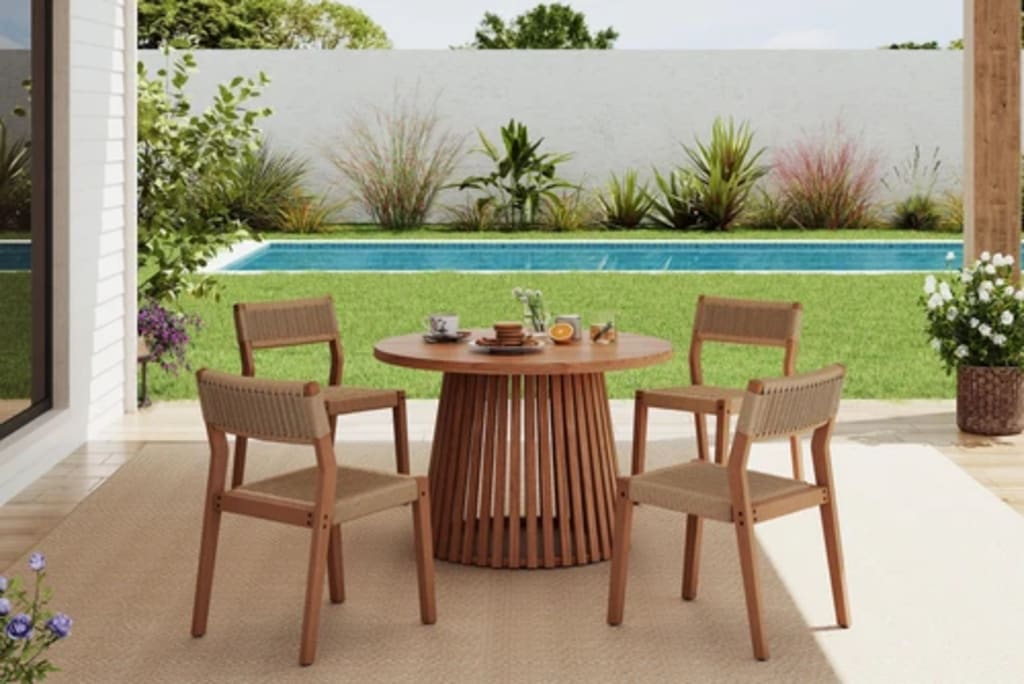
A useful outdoor dining area should support how a household actually lives, not just look good in photos. Daily breakfasts, family dinners, weekend gatherings, and occasional guests all place different demands on the same space. Planning around normal routines creates an area that feels comfortable, stays easy to move through, and keeps working as household needs change.
Choose a Location That Supports Daily Use
Location has a major influence on whether an exterior dining area is used regularly or only on special occasions. A table placed close to the kitchen or a frequently used exterior door usually makes carrying food, drinks, dishes, and serving items easier. Long or awkward routes between the kitchen and dining area can become inconvenient, especially when meals involve several trips.
Homeowners should also consider how the dining zone relates to garden paths, grilling areas, play spaces, seating areas, and entrances. Important walking routes should remain open rather than passing directly between chairs and the table. At the same time, the dining area should feel connected to the property rather than isolated in an unused corner.
Exposure matters as well. A sunny location may be pleasant in cooler months but uncomfortable during hot afternoons. Strong wind can make lightweight items difficult to manage, while areas beneath roof edges or trees may receive unexpected dripping after rain.
Measure the Space Before Choosing Furniture
Accurate measurements are more useful than judging a patio or terrace by sight. The table itself is only one part of the required footprint. Chairs need room to pull back, people need space to sit down comfortably, and others should still be able to walk behind occupied seats.
Once the usable area is measured, homeowners can compare different furniture sizes with a clearer idea of what will actually fit. Looking at collections such as Jardina Outdoor Furniture can be more useful when the focus stays on overall dimensions, seating comfort, and whether the pieces leave enough room for everyday movement rather than simply filling the available space.
It is also worth checking how doors, steps, planters, railings, and nearby walls affect usable space. A table that technically fits between boundaries may still be impractical if chairs cannot be moved freely.
Plan Seating Around Household Needs
The most useful seating capacity is usually based on the number of people who dine outside regularly, with some flexibility for visitors. A household of four may not need an eight-seat table for everyday use if that larger footprint makes the area cramped throughout the week.
Table shape can also influence circulation. Rectangular designs may suit longer spaces, while round or smaller square tables can sometimes work more comfortably in compact areas. The right choice depends on the dimensions and movement patterns of the property rather than a single preferred style.
This is where comparing options such as Jardina outdoor dining tables and chairs can help homeowners think in terms of table size, seat count, and the amount of clearance needed around a complete dining setup. Measuring the arrangement with chairs pulled out gives a much more realistic idea of how the space will function during meals.
Details That Make an Outdoor Dining Area More Practical
Small planning decisions often determine whether the space feels convenient during everyday use. Looking beyond the table itself helps prevent common layout and comfort problems.
Allow generous chair clearance. Leave enough room for chairs to move backward without hitting walls, planters, railings, or other seating areas.
Plan for shade during typical meal times. Observe where direct sunlight falls at breakfast, lunch, and dinner so seating is not consistently exposed during the hours the household uses it most.
Keep the kitchen route simple. A direct path reduces unnecessary carrying distance and lowers the chance of people crossing through crowded seating areas.
Provide suitable evening lighting. Light should make food, steps, and pathways visible without creating harsh glare around the table.
Protect main walking routes. Guests and family members should be able to reach doors, garden areas, or other parts of the property without squeezing behind occupied chairs.
Consider routine maintenance. Surfaces exposed to leaves, dust, rain, or food spills should be positioned and maintained in a way that makes regular cleaning manageable.
Balance Comfort, Weather, and Visual Connection
Comfort extends beyond seat cushions or chair shape. Sun exposure, wind direction, evening temperatures, nearby lighting, and protection from occasional rain all influence how long people want to remain at the table. Shade structures, umbrellas, sheltered walls, or nearby planting can help moderate conditions when they suit the layout.
The dining area can also relate visually to the home through repeated materials, similar proportions, or complementary finishes, but appearance should not interfere with use. Decorative planters, rugs, lanterns, and accessories should leave adequate room for seating and circulation rather than narrowing an already limited area.
A comfortable outdoor dining space comes from balancing available room, household needs, clear circulation, seating comfort, weather exposure, and manageable maintenance. When those practical considerations are addressed early, the area becomes easier to use for ordinary meals while remaining flexible enough for family gatherings and occasional entertaining.
About the Creator
Enjoyed the story? Support the Creator.
Subscribe for free to receive all their stories in your feed.
Comments
There are no comments for this story
Be the first to respond and start the conversation.