
Create Your Own Website Without Breaking the Bank
Things to know before you start
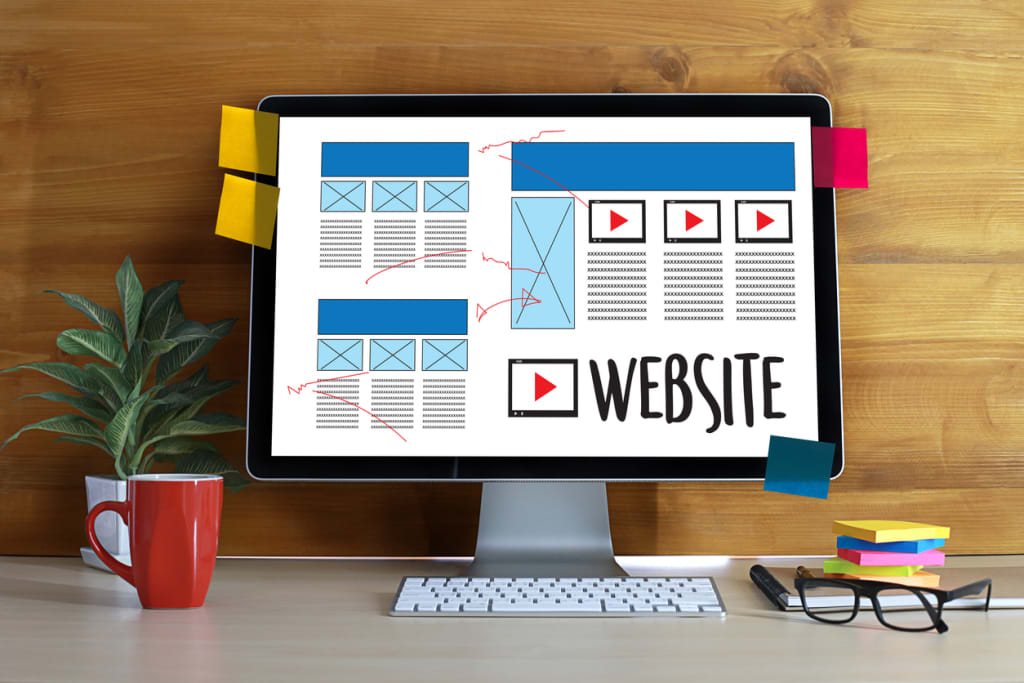
I. Determine the purpose and content of your website
* Identify the goals and target audience for your website
*Plan out the pages and features you want to include
Identifying the goals and target audience for your website is an important first step in the process of creating your own website. Your goals will help determine the purpose and content of your website, and your target audience will help you tailor your website to the needs and interests of your intended visitors.
To identify the goals and target audience for your website, you can ask yourself the following questions:
* What do you want your website to achieve? Do you want to sell products or services, provide information, or engage with your audience in some other way?
* Who is your target audience? Who are the people you want to visit your website, and what are their needs and interests?
Once you have a clear understanding of your goals and target audience, you can begin to plan out the pages and features you want to include on your website. This might include things like a homepage, contact page, product or service pages, a blog, and any other features that will help you achieve your goals and meet the needs of your target audience. It's important to keep in mind that your website should be organized and easy to navigate, so that visitors can find what they're looking for quickly and easily.
II. Choose a domain name and hosting provider
Research and compare different options for domain names and hosting providers
Choose one that meets your needs and budget
When choosing a domain name and hosting provider for your website, it's important to do your research and compare different options to find the best fit for your needs and budget.
Here are some things to consider when choosing a domain name:
Availability: Is the domain name you want available to register?
Branding: Does the domain name align with your brand or business name?
Length: Is the domain name short and easy to remember?
Extension: Should you choose a .com, .net, or another extension?
As for hosting providers, here are some things to consider:
Price: How much does the hosting plan cost, and does it fit your budget?
Features: What features does the hosting plan include, such as storage space, bandwidth, and email accounts?
Customer support: What kind of support does the hosting provider offer, and how easy is it to get help if you need it?
Reputation: What do other users have to say about the hosting provider?
By researching and comparing different options for domain names and hosting providers, you can find the best fit for your needs and budget. Be sure to read reviews and compare prices to ensure you get the best value for your money.
III. Select a website building platform
There are many website building platforms available, each with its own set of features and pricing options. It's important to do your research and compare different platforms to find the one that best meets your needs and budget.
Here are some things to consider when choosing a website building platform:
Ease of use: How easy is it to use the platform to create and edit your website?
Templates and design options: Does the platform offer a range of templates and design options to choose from, or do you have to start from scratch?
Features: What features does the platform offer, such as e-commerce capabilities, SEO tools, and integrations with other apps or services?
Pricing: How much does the platform cost, and does it fit your budget?
Customer support: What kind of support does the platform offer, and how easy is it to get help if you need it?
By researching and comparing different website building platforms, you can find the one that best meets your needs and budget. Be sure to read reviews and compare pricing to ensure you get the best value for your money.
IV. Design and build your website
Use the website building platform to create the layout and add content to your website
Utilize templates or create your own design from scratch
Once you have chosen a website building platform, you can use it to create the layout and add content to your website. Depending on the platform you choose, you may have the option to use templates or create your own design from scratch.
To create the layout of your website, you may need to do the following:
Choose a template: Many website building platforms offer a range of templates that you can use as a starting point for your website. You can usually customize the templates to suit your needs.
Add pages: You will need to create individual pages for each section of your website. These might include a homepage, contact page, product or service pages, and any other pages you need.
Add content: You can add text, images, and other media to your website using the website building platform's editor.
Customize the design: You can use the website building platform's tools to customize the look and feel of your website, including the color scheme, font, and layout.
If you prefer to create your own design from scratch, you will need to use the website building platform's tools and features to build your website from the ground up. This may require a bit more time and effort, but it can allow you to create a completely unique website that reflects your brand and style.
Regardless of whether you use templates or create your own design, it's important to keep your website organized and easy to navigate, so that visitors can find what they're looking for quickly and easily.
V. Publish and promote your website

Publish your website and make it live for visitors
Implement SEO techniques and social media marketing to attract visitors to your website
Once you have designed and built your website, you can publish it and make it live for visitors. This usually involves connecting your domain name to your hosting account and uploading your website's files to the server.
After your website is live, you can begin implementing strategies to attract visitors. Some tactics you can use include:
SEO (search engine optimization): By optimizing your website's content and technical elements, you can improve its ranking on search engines like Google and make it more visible to potential visitors.
Social media marketing: Promote your website on social media platforms like Facebook, Instagram, and Twitter to reach a larger audience and drive traffic to your site.
Content marketing: Create and share valuable, relevant content (such as blog posts, videos, or infographics) to attract and retain a clearly defined audience.
Advertising: Use paid advertising platforms like Google AdWords or social media advertising to reach a targeted audience and drive traffic to your website.
By implementing these strategies, you can attract more visitors to your website and increase your online presence. It may take some time and effort, but it can be a worthwhile investment in the long run.
About the Creator
mr Black
Hi! iam Balaji and I am a college student studying computer science. I have always been interested in technology and make a positive impact in the world. In my free time, I enjoy coding, playing video games, and hanging out with friends.
Enjoyed the story? Support the Creator.
Subscribe for free to receive all their stories in your feed.
Comments
There are no comments for this story
Be the first to respond and start the conversation.