
Cranberries Market: A Functional Wellness Boom
Precision Agro-Tech & Streamlined Import Rules Propel the Industry Toward $13.6 Billion by 2031

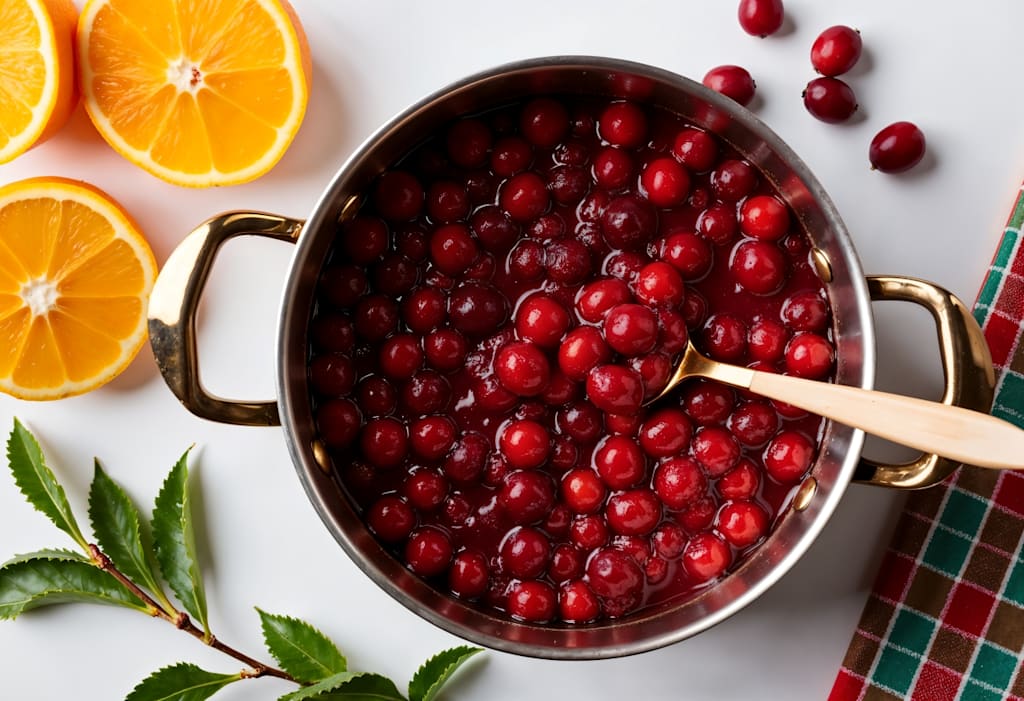
The way functional ingredients find their way into our daily snacks, premium beverages, and wellness routines is undergoing a quiet but massive rewrite. It wasn’t that long ago that buying cranberries meant picking up a generic can of jellied sauce for a holiday dinner or selecting a high-sugar juice cocktail from the supermarket bottom shelf. But check out any modern natural food aisle, sports nutrition shop, or premium juice bar today, and you will see a total transformation. Consumers are actively reaching for unsweetened freeze-dried whole berries, selecting cold-pressed juices that serve as clean-label antioxidant engines, and checking supplement labels for highly potent extracts. The tart, native North American fruit has successfully broken away from its seasonal holiday identity to establish itself as a year-round powerhouse of daily preventive health.
This structural shift toward preventive nutrition is generating extensive commercial value. According to data from Mordor Intelligence, the global cranberries market size is projected to expand from USD 9.2 billion in 2025 and USD 9.8 billion in 2026 to USD 13.6 billion by 2031. Driven by an accelerating global demand for natural antioxidant sources and clean-label functional formulations, the industry is set to expand at a steady 6.77% CAGR between 2026 and 2031.
The Functional Engine: Urinary Health and Clean-Label Purity
The primary driver behind this multi-billion dollar expansion is the intense global consumer push for proactive, scientifically backed wellness foods. Cranberries contain a uniquely high concentration of proanthocyanidins (PACs), natural structural compounds that have been clinically shown to prevent specific bacteria from adhering to urinary tract walls, cementing the fruit's role as a trusted tool for maintaining urinary tract health.
This health profile has made the fruit a highly sought-after asset for nutraceutical and beverage formulators. Rather than utilizing synthetic ascorbic acid or artificial chemical additives to boost shelf life and color, brands are aggressively leveraging cranberry juice concentrate as a natural, clean-label antioxidant and vibrant organic colorant. This allows product developers to clear strict clean-label audits, secure high nutritional scores, and tap into premium consumer demographics willing to pay top dollar for whole-food ingredient transparency.
Strategic Market Breakdown: Products, Natures, and Channels
The internal product architecture of the marketplace highlights a dynamic balance between traditional snack items and fast-growing, high-potency formats:
- Dried Forms Control the Volume Base: By product type, dried cranberries continue to hold the largest absolute market share, valued at over USD 1.4 billion globally due to their long shelf life, effortless storage parameters, and universal popularity as additions in commercial bakery lines, morning cereals, and grab-and-go trail mixes.
- Concentrates and Extracts Race Ahead: While dried variants anchor baseline revenue, the concentrated juice and freeze-dried extract segments are expanding at the fastest pace. This acceleration is heavily driven by dietary supplement manufacturers utilizing high-potency cranberry powders for functional capsules, chewable tablets, and fortified wellness waters.
- The Conventional Core vs. Organic Momentum: Conventional bog farming represents the clear majority of industry value thanks to deeply integrated supply chains and automated harvesting. However, certified organic cranberry lines are expanding rapidly, capturing premium center-shelf placement in major urban supermarkets as shoppers prioritize chemical-free cultivation.
Sourcing Hurdles: Overcoming Pollination and Fertilizer Constraints
Operating a commercial cranberry enterprise requires balancing specialized agricultural logistics against rising on-the-ground production costs. Unlike standard row crops, commercial cranberries are cultivated in highly specific, acidic peat bogs that present unique ecological challenges:
- The Pollination Bottleneck: Cranberry blossoms are not self-fertile and rely entirely on insect pollination. Declining native bee populations have forced growers to aggressively lease commercial honeybee hives, significantly driving up seasonal operating expenses.
- Fertilizer Sulfate Restrictions: Stricter international regulations and environmental constraints on traditional sulfate-based fertilizers have disrupted historic yield-optimization strategies, forcing farms to source costlier organic alternatives to avoid soil degradation.
- The Tech Defense: To protect their profit margins against these rising input costs, top-tier bog operators are rolling out cutting-edge field technology. Growers are deploying automated precision irrigation systems to minimize water waste, using aerial drone scouting to spot early signs of crop disease, and enrolling in regional carbon credit programs to offset operational outlays and improve long-term farm profitability.
Regional Horizons: North American Scale, Asia-Pacific Velocity
From a geographic standpoint, the market displays an exciting balance between mature production strongholds and fast-modernizing consumer economies:
- North America Retains Dominance: North America continues to command the largest absolute share of global consumption value, holding roughly 46% of the market in 2025. This leadership is anchored by the United States, which masterfully combines the world's largest commercial harvest with massive, mature domestic demand across retail grocery channels and ingredient processing hubs.
- Asia-Pacific Emerges as the Growth Hotspot: The Asia-Pacific region has emerged as the global hotspot for fastest incremental gains, poised to expand at an industry-leading 11.0% CAGR through 2031. This rapid acceleration is being heavily driven by China, where simplified import regulations for frozen fruits combined with extensive investments in urban cold-chain logistics have dramatically streamlined distribution, allowing an expanding, health-conscious middle class to seamlessly integrate imported cranberries into their daily snacking habits.
Final Thoughts: A Smarter, Functional Harvest
As the global cranberries market marches toward its USD 13.6 billion milestone in 2031, the category serves as a perfect blueprint for how a traditional agricultural crop can successfully transition into a high-margin global health asset. By combining advanced precision bog technology with strict clinical health backing, streamlined international trade channels, and clean-label purity, the sector has secured a permanent, highly profitable home on the world's functional food shelves.
The next time you enjoy a handful of tart dried berries in your breakfast mix or select a premium functional beverage packed with natural extracts, take a brief moment to look past the taste. Behind that vibrant crimson color sits a highly sophisticated global network of automated climate engineering, precision drone monitoring, and highly secure cold-chain logistics working behind the scenes. Daily health management is turning cleaner, smarter, and incredibly accessible—one traceable berry at a time.
About the Creator
Harvey Specter
I am passionate about Food & Beverage, Ag, & Animal Nutrition companies. I help organizations unlock their data's potential and fuel business growth. My expertise transforms raw data into actionable insights for strategic decisions.
Enjoyed the story? Support the Creator.
Subscribe for free to receive all their stories in your feed.
Comments
There are no comments for this story
Be the first to respond and start the conversation.