
Craig Dipetrillo Properties and the Realities of Value-Add Real Estate Development
How Strategic Planning and Long-Term Thinking Shape Modern Property Redevelopment

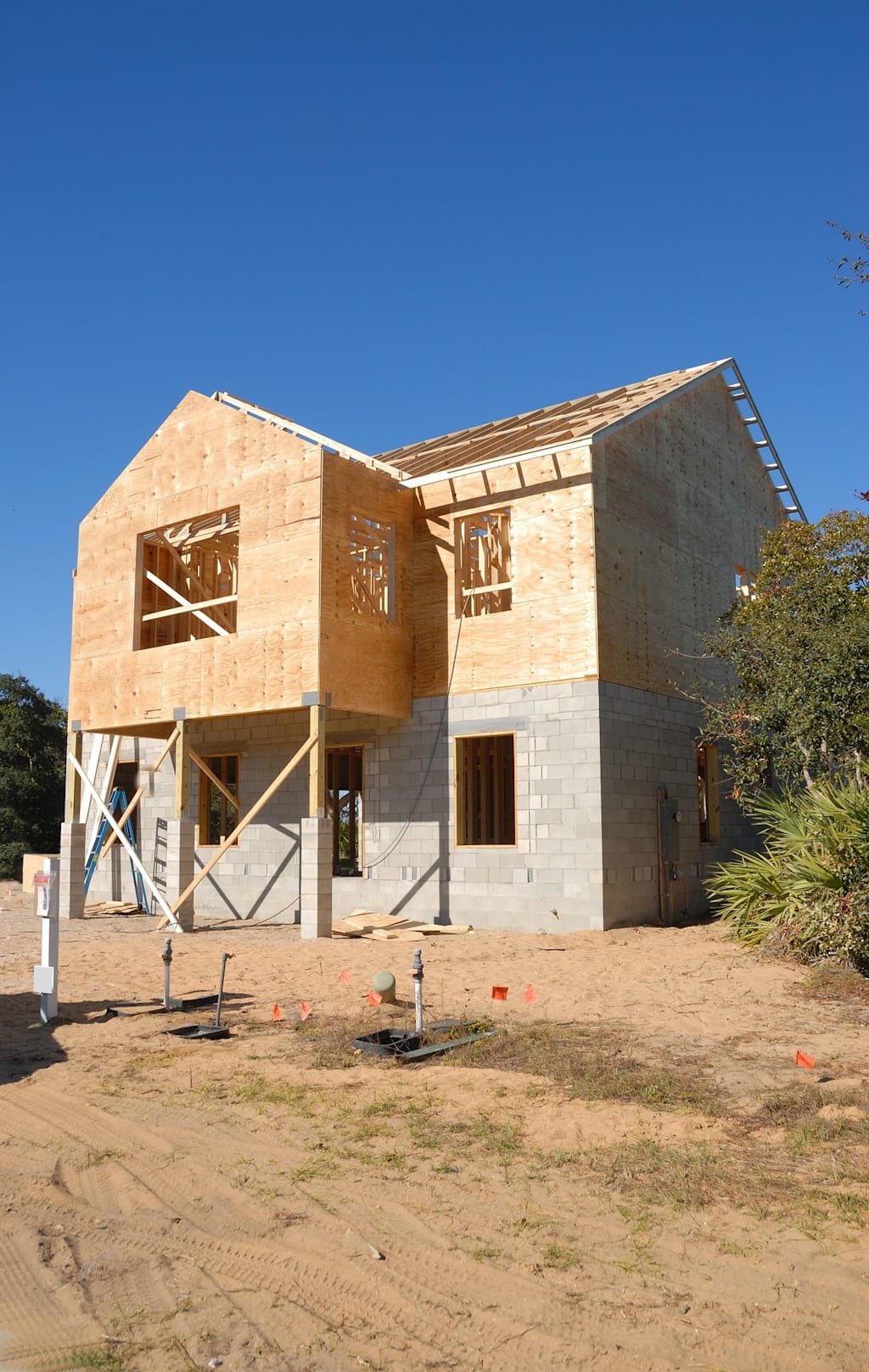
Craig DiPetrillo is a Rhode Island real estate developer and President of DiPetrillo Properties, known for strategic vision and creative leadership. His approach to development focuses on identifying properties with unrealized potential and improving them through careful analysis, disciplined execution, and adaptive redevelopment strategies.
In recent years, value-add real estate development has become an increasingly important part of the broader property market. Rather than building entirely new projects from the ground up, many developers now focus on improving existing assets that may be underperforming due to outdated design, inefficient use of space, or changing market demands. This approach allows developers to preserve existing structures while increasing long-term property value and functionality.
The work associated with Craig Dipetrillo Properties reflects this broader shift in real estate thinking. Instead of relying on rapid expansion or speculative trends, the focus remains on sustainable improvements that align with long-term market conditions and community needs.
Understanding the Meaning of Value-Add Development
Value-add real estate development involves acquiring or improving a property that has untapped potential. In many cases, these are buildings or spaces that are structurally sound but require modernization, repositioning, or operational improvements.
For example, a commercial property may suffer from low occupancy because its design no longer matches current tenant expectations. A residential building may need updated amenities or improved layouts to remain competitive in the local market. Industrial spaces may also become candidates for adaptive reuse as cities and business needs evolve over time.
The value-add process focuses on identifying these gaps and determining whether strategic improvements can create measurable long-term benefits.
This type of development often requires a balance between financial analysis and creative thinking. Developers must evaluate costs, construction feasibility, market demand, zoning requirements, and long-term sustainability before moving forward with a project.
Why Location Still Matters Most
One of the most consistent themes in real estate development is the importance of location. While building improvements can increase value, location remains a foundational factor that cannot be changed.
Developers evaluating value-add opportunities often look for properties located near transportation corridors, employment centers, schools, retail districts, or growing neighborhoods. Even when a building itself requires extensive updates, strong location fundamentals can support long-term performance.
Craig Dipetrillo Properties places significant emphasis on this principle. The evaluation process often begins with understanding how the surrounding market is evolving and whether the area can support future demand for residential, commercial, or mixed-use space.
Neighborhood stability also plays an important role. Areas with signs of infrastructure investment, business activity, or population growth may present stronger opportunities for long-term redevelopment success.
Adaptive Reuse and the Changing Role of Existing Buildings
One of the more interesting trends in modern real estate development is adaptive reuse. This process involves repurposing older buildings for new functions instead of demolishing them entirely.
Adaptive reuse has gained attention for both economic and environmental reasons. Reusing existing structures can reduce construction waste, preserve architectural character, and shorten development timelines.
Examples of adaptive reuse include:
- Transforming warehouses into office spaces or residential lofts
- Converting retail centers into mixed-use properties
- Updating aging office buildings for flexible work environments
- Repurposing industrial sites into creative commercial spaces
These projects often require developers to think differently about how space can function in modern markets.
Craig Dipetrillo Properties reflects this type of thinking by focusing on opportunities where structural assets already exist but require repositioning or modernization to better meet current demand.
Balancing Creativity With Financial Discipline
Real estate development requires creativity, but creativity alone is not enough to ensure a successful outcome. Financial discipline remains equally important.
Every redevelopment project involves risks related to construction costs, financing conditions, regulatory approvals, and market demand. Because of this, developers must approach each opportunity with realistic expectations and detailed planning.
A disciplined approach may include:
- Conservative budgeting assumptions
- Detailed renovation timelines
- Market demand analysis
- Contingency planning for unexpected costs
- Clear exit or long-term holding strategies
Projects that appear attractive at first glance may not always produce sustainable returns if redevelopment costs exceed market realities.
One reason value-add development can be challenging is that unforeseen issues often emerge once construction begins. Older buildings may contain hidden structural problems, outdated systems, or environmental concerns that increase costs and delay timelines.
Developers who approach projects carefully are generally better positioned to adapt when these challenges arise.
Community Impact and Local Growth
Real estate development influences more than just property values. It also affects neighborhoods, businesses, infrastructure, and local residents.
Because of this, many developers now place greater emphasis on community impact when evaluating projects. Improvements that increase walkability, restore neglected properties, or support local economic activity can contribute to broader neighborhood stability.
Craig Dipetrillo Properties reflects this perspective by emphasizing development strategies that improve functionality while supporting the surrounding environment.
In many cities and towns, redevelopment projects can help reactivate underused areas and encourage further investment. Renovated commercial spaces may attract new businesses, while updated residential properties can contribute to housing stability and neighborhood growth.
The long-term success of redevelopment often depends not only on financial performance but also on whether the project integrates well into the surrounding community.
The Importance of Timing in Real Estate Development
Timing can significantly affect the success of a development project. Market conditions constantly change due to interest rates, employment trends, consumer demand, and broader economic cycles.
Developers must determine not only whether a property has potential, but also whether the timing supports redevelopment efforts.
Periods of market uncertainty sometimes create opportunities for value-add investors. Properties may become undervalued due to temporary economic conditions, allowing developers to acquire assets at more favorable prices.
However, timing also affects financing costs, construction pricing, and future tenant demand. Successful developers often spend considerable time analyzing these variables before making acquisition decisions.
Craig Dipetrillo Properties reflects a development mindset that emphasizes careful evaluation rather than impulsive expansion. This measured approach can help reduce unnecessary exposure to market volatility.
Technology and Innovation in Modern Development
Technology has changed how many real estate projects are evaluated and managed. Developers now rely on data-driven tools to improve planning, forecasting, and project execution.
Modern technology can support:
- Market trend analysis
- Construction scheduling
- Property management systems
- Financial forecasting
- Tenant experience improvements
Sustainable building practices have also become increasingly important. Energy efficiency, environmental considerations, and long-term operational costs are now common factors in redevelopment planning.
While technology cannot replace experience or sound judgment, it can improve decision-making and increase project efficiency.
Long-Term Thinking in Real Estate
One of the defining characteristics of successful development strategies is patience. Real estate projects often require years of planning, renovation, leasing, and stabilization before their full value becomes clear.
Developers focused only on short-term gains may overlook opportunities that require more careful execution and long-term commitment.
Craig Dipetrillo Properties reflects a long-term perspective that prioritizes sustainable growth over rapid expansion. This includes evaluating how individual projects contribute to broader portfolio goals and future market positioning.
Long-term thinking also encourages more responsible decision-making. Projects designed with durability, flexibility, and community integration in mind are often better positioned to remain relevant over time.
Conclusion
Value-add development remains one of the more complex and strategic areas of modern real estate. It requires developers to combine financial discipline, market awareness, creative thinking, and operational execution into a single cohesive process.
Craig Dipetrillo Properties represents an example of how this approach can be applied through careful property evaluation, adaptive reuse strategies, and long-term planning. Rather than focusing solely on short-term market trends, the emphasis remains on identifying lasting opportunities that improve both property performance and community functionality.
As real estate markets continue to evolve, developers who can balance innovation with practical decision-making may be better positioned to navigate changing conditions and create sustainable long-term value.
About the Creator
Craig Dipetrillo
Craig DiPetrillo is a Rhode Island real estate developer and President of DiPetrillo Properties, known for strategic vision and creative leadership.
Enjoyed the story? Support the Creator.
Subscribe for free to receive all their stories in your feed.
Comments
There are no comments for this story
Be the first to respond and start the conversation.