
Craig DiPetrillo Rhode Island: The Connection Between Responsible Development and Community Resilience
How Long-Term Investment Strategies Can Help Communities Adapt, Grow, and Thrive

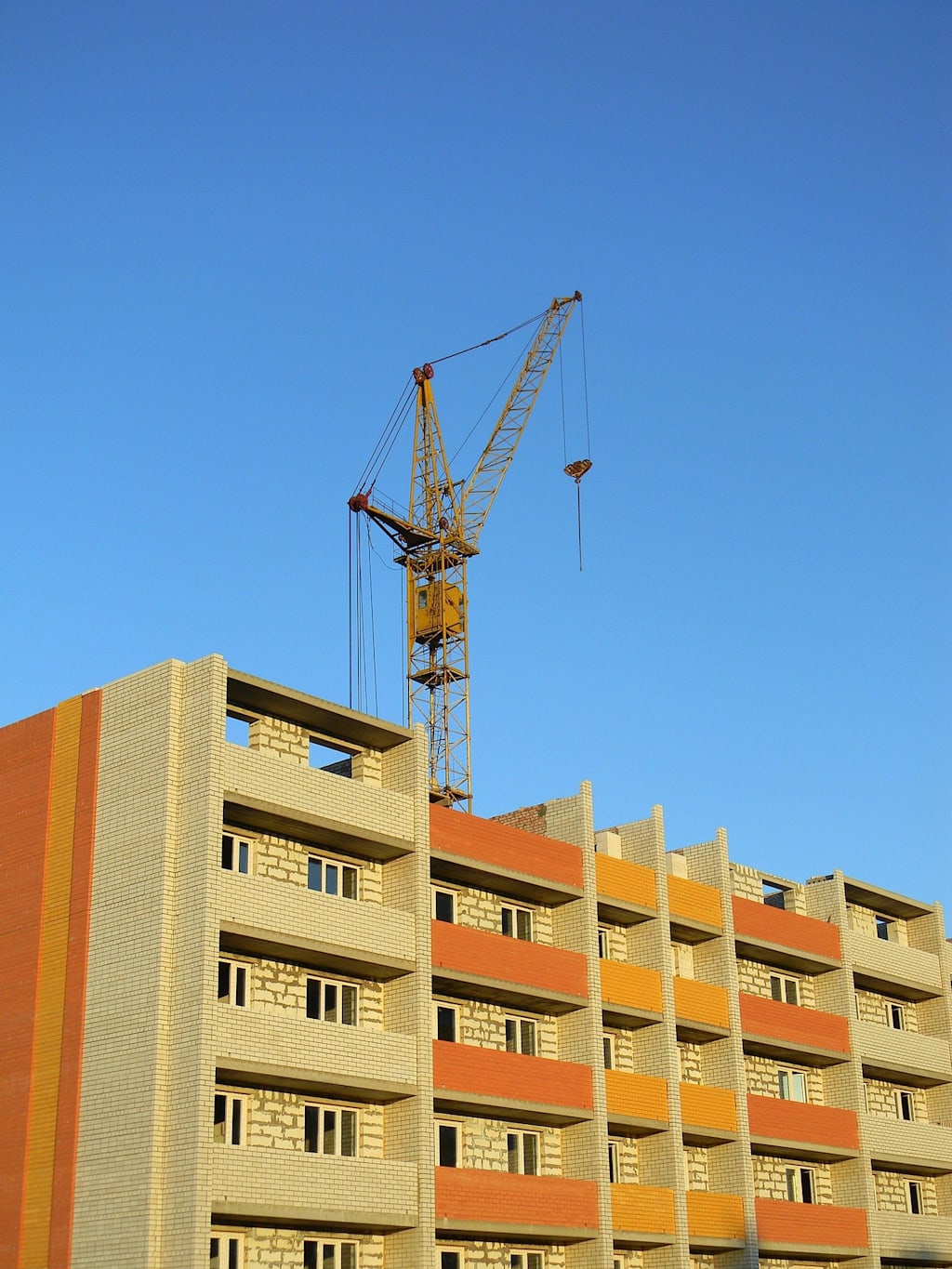
Craig DiPetrillo is a Rhode Island real estate developer and President of DiPetrillo Properties, known for strategic vision and creative leadership. The ideas often associated with Craig DiPetrillo Rhode Island reflect a broader understanding of how development can influence communities over time. While buildings and infrastructure are often the most visible outcomes of real estate projects, the long-term effects frequently extend much further. Development decisions can shape economic opportunities, neighborhood stability, and the ability of communities to adapt to future challenges. In Rhode Island, where local identity and community connections remain important, responsible investment can play a meaningful role in supporting resilience and long-term growth.
Understanding Community Resilience
Community resilience refers to a community's ability to respond to change while maintaining its core strengths. Economic shifts, population growth, housing demands, and evolving business needs all influence how neighborhoods develop over time.
Resilient communities are often characterized by adaptability. They can respond to challenges without losing the qualities that make them unique. This adaptability depends on a combination of factors, including strong local economies, effective infrastructure, engaged residents, and thoughtful planning.
Real estate development contributes to resilience because it directly affects the spaces where people live, work, and interact. When projects are planned with long-term goals in mind, they can strengthen the foundations that support community well-being.
Rather than focusing solely on immediate outcomes, resilient development considers how investments will continue serving communities years into the future.
Why Long-Term Investment Matters
Long-term investment requires a different perspective than short-term development. It emphasizes sustainability, durability, and future value rather than immediate returns alone.
Developers who adopt this approach often evaluate projects through a broader lens. They ask how a property will function over time, whether it can adapt to changing needs, and how it may influence surrounding neighborhoods.
Communities benefit when investments are made with patience and foresight. Durable construction, thoughtful design, and flexible planning can help ensure that properties remain useful and relevant.
Long-term thinking also reduces the likelihood that developments will become outdated quickly. Instead, projects can continue supporting economic activity and community needs as circumstances evolve.
This approach often aligns with the goals of municipalities, residents, and local businesses that seek stability and sustainable growth.
The Rhode Island Context
Rhode Island presents a unique environment for development because of its size, history, and diversity of communities.
The state contains urban centers, coastal towns, suburban neighborhoods, and historic districts, each with distinct characteristics and priorities. These differences require development strategies that are responsive to local conditions rather than relying on a one-size-fits-all approach.
Many Rhode Island communities value preservation alongside progress. Historic buildings and established neighborhoods contribute to local identity, while modern infrastructure and economic development create opportunities for future growth.
Balancing these priorities requires careful planning and collaboration. Development that respects local character while addressing contemporary needs often contributes to stronger and more sustainable outcomes.
This balance is an important part of the broader discussion surrounding Craig DiPetrillo Rhode Island and community-focused investment.
Development as an Economic Driver
Real estate investment plays an important role in economic development. Construction projects create employment opportunities and support numerous industries, including engineering, architecture, transportation, and skilled trades.
Completed developments continue generating economic activity through commercial operations, property management, and local business growth. Retail centers, office spaces, mixed-use developments, and residential communities all contribute to broader economic ecosystems.
However, the relationship between development and economic growth is most effective when projects align with community needs. Development that creates opportunities while supporting existing businesses and residents tends to generate more sustainable benefits.
Economic vitality often grows from a combination of strategic investment and long-term planning. Communities that attract thoughtful development may experience increased confidence, additional investment, and stronger economic resilience.
Strengthening Neighborhood Identity
Every community has characteristics that make it unique. Architecture, public spaces, local businesses, and cultural traditions all contribute to neighborhood identity.
Development can influence these qualities in significant ways. Projects that complement existing neighborhoods often strengthen the sense of place that residents value. Conversely, projects that ignore local context may struggle to connect with the communities they serve.
Neighborhood identity matters because it contributes to belonging and community pride. Residents who feel connected to their surroundings are often more engaged in local initiatives and more invested in the future of their communities.
Thoughtful development recognizes the importance of preserving these connections while creating opportunities for growth and improvement.
The Role of Adaptive Reuse
One increasingly common development strategy is adaptive reuse. This approach involves repurposing existing structures for new uses while preserving important architectural or historical features.
Adaptive reuse demonstrates how preservation and progress can work together. Historic buildings can gain new life as residential spaces, offices, restaurants, or community centers without losing their connection to the past.
This approach often appeals to communities that value their history while seeking modern solutions. It can also contribute to sustainability by reducing the need for entirely new construction.
Adaptive reuse highlights an important principle of long-term development: communities often benefit when existing assets are thoughtfully integrated into future plans.
Collaboration Creates Better Outcomes
Successful development depends on collaboration among a variety of stakeholders. Residents, business owners, community organizations, municipal leaders, and developers each bring valuable perspectives to the process.
Open communication helps identify concerns, opportunities, and priorities early in the planning process. When stakeholders work together, projects are often better positioned to address community needs while achieving development goals.
Collaboration also helps build trust. Communities are more likely to support projects when they understand the reasoning behind decisions and feel their voices have been heard.
The emphasis on partnership is one reason why discussions related to Craig DiPetrillo Rhode Island often focus on long-term value rather than short-term outcomes. Sustainable success typically requires cooperation and shared commitment.
Sustainability Beyond Environmental Considerations
Sustainability is frequently associated with environmental practices, but it also includes economic and social dimensions.
A sustainable development project should remain valuable and functional over time. This requires attention to design, construction quality, market relevance, and community needs.
For example, a building designed to accommodate changing uses may remain useful for decades. A development that supports local businesses and encourages community activity can contribute to long-term economic health.
Sustainability is ultimately about creating projects that continue delivering benefits rather than becoming obsolete. This perspective aligns naturally with long-term investment strategies.
Preparing Communities for Future Change
Change is inevitable. Economic conditions evolve, industries shift, and population patterns change over time. Communities that are prepared for these changes are often better positioned to thrive.
Development can contribute to preparedness by creating flexible spaces, supporting economic diversification, and strengthening infrastructure. Projects designed with future adaptability in mind may continue serving communities even as needs evolve.
Preparation also involves understanding broader trends while remaining attentive to local priorities. Successful communities balance innovation with stability, ensuring that growth supports rather than disrupts community well-being.
This forward-looking perspective is an important aspect of the principles associated with Craig DiPetrillo Rhode Island and long-term community enhancement.
Conclusion
Community resilience is not created overnight. It develops through consistent effort, thoughtful planning, and investments that prioritize long-term value.
Real estate development can contribute to this process by supporting economic opportunity, strengthening neighborhood identity, and creating environments that adapt to changing needs. When projects are approached with patience and responsibility, they can provide benefits that extend far beyond their physical structures.
The ideas connected to Craig DiPetrillo Rhode Island illustrate how responsible development and community enhancement can work together. By focusing on resilience, sustainability, collaboration, and strategic planning, development can become an important tool for supporting stronger communities.
As Rhode Island continues to evolve, long-term investment strategies will remain essential for helping neighborhoods, businesses, and residents navigate change while preserving the qualities that make their communities unique. Thoughtful development has the potential to create lasting value, not only for today but for future generations as well.
About the Creator
Craig Dipetrillo
Craig DiPetrillo is a Rhode Island real estate developer and President of DiPetrillo Properties, known for strategic vision and creative leadership.
Enjoyed the story? Support the Creator.
Subscribe for free to receive all their stories in your feed.
Comments
There are no comments for this story
Be the first to respond and start the conversation.