
Crack Detection in Concrete: Methods, Importance, and Modern Tools
Cracks can form due to a variety of factors, including shrinkage, thermal changes, load stresses, and environmental exposure. Detecting these cracks early is critical for maintaining the structural integrity, safety, and lifespan of concrete structures.
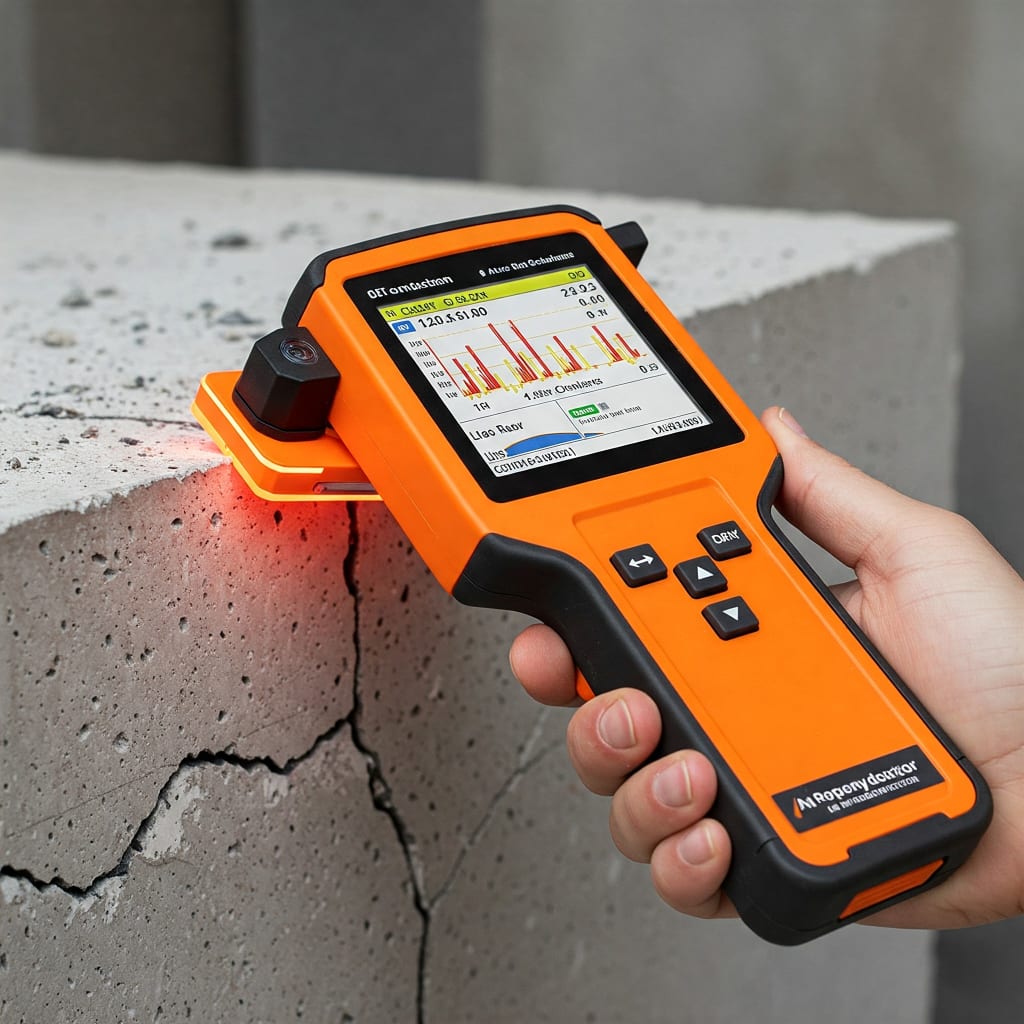
Concrete is one of the most widely used construction materials in the world, known for its strength, durability, and versatility. However, like any material, concrete is not immune to damage. Cracks can form due to a variety of factors, including shrinkage, thermal changes, load stresses, and environmental exposure. Detecting these cracks early is critical for maintaining the structural integrity, safety, and lifespan of concrete structures. This is where crack detection in concrete becomes essential, and modern tools like crack detectors play a vital role.
Why Crack Detection Matters
Cracks in concrete are more than just surface imperfections; they can indicate serious structural problems if left unchecked. Water can seep into cracks, leading to corrosion of reinforcing steel, freeze-thaw damage, and chemical attacks. Over time, these issues can compromise the entire structure, requiring costly repairs or even complete replacements.
Early crack detection allows engineers and maintenance teams to assess the extent of the damage, determine the underlying cause, and implement appropriate repair strategies. It also helps in extending the life of structures such as bridges, buildings, dams, and pavements, saving millions in potential rehabilitation costs.
Traditional Methods of Crack Detection
Historically, crack detection relied heavily on manual inspections. Engineers would perform visual inspections, sometimes using magnifying glasses or measuring tapes to monitor crack width and length. While effective to a certain degree, manual inspections are time-consuming, subjective, and prone to human error, especially when dealing with large or hard-to-reach areas.
Another traditional method includes dye penetrant testing, where a colored dye is applied to the concrete surface to reveal tiny cracks invisible to the naked eye. Though useful, this method still requires close human observation and is limited by accessibility and surface condition.
The Role of Crack Detectors
Advancements in technology have introduced more sophisticated tools for crack detection in concrete. Crack detectors are now widely used to enhance accuracy, speed, and reliability in identifying cracks, even those hidden beneath the surface.
Modern crack detectors employ a range of techniques including ultrasonic testing, laser scanning, infrared thermography, and acoustic emission monitoring. Ultrasonic crack detectors, for instance, send high-frequency sound waves into the concrete and measure the reflected signals to detect internal flaws and cracks. Similarly, laser-based crack detectors can scan large surface areas quickly and generate precise digital models showing the location and size of cracks.
Infrared thermography crack detectors identify cracks by detecting temperature differences on the concrete surface, revealing areas where insulation is compromised. Acoustic emission crack detectors listen for high-frequency sounds emitted by the growth of cracks, providing real-time monitoring during load testing or structural usage.
These technologies not only improve detection accuracy but also reduce the time and cost associated with manual inspections. They are particularly beneficial for inspecting critical infrastructure where downtime needs to be minimized.
Applications of Crack Detection
Crack detection in concrete is crucial across a wide range of applications:
Bridges: Regular inspections using crack detectors can prevent catastrophic failures and ensure public safety.
Buildings: Early crack detection helps maintain the aesthetic and structural integrity of residential and commercial buildings.
Dams and Water Structures: Monitoring cracks is vital to prevent leaks, flooding, and structural collapse.
Industrial Floors and Pavements: Detecting cracks early can prevent accidents and maintain operational efficiency.
Tunnels and Underground Structures: Crack detectors allow for non-invasive monitoring of tunnel linings, reducing maintenance risks and costs.
Future of Crack Detection
The future of crack detection in concrete is promising with the integration of artificial intelligence (AI) and machine learning. AI-powered crack detectors can now analyze images and sensor data automatically, identifying patterns and predicting potential crack growth. Drones equipped with high-resolution cameras and crack detection software are also being deployed to inspect large structures safely and efficiently.
Additionally, the use of smart concrete embedded with self-monitoring sensors is on the rise. These sensors can detect strain, stress, and crack formation in real-time, sending alerts for immediate maintenance actions.
Conclusion
Crack detection in concrete is a fundamental aspect of maintaining structural health and public safety. With the evolution of technology, crack detectors have become indispensable tools, offering more precise, faster, and cost-effective solutions compared to traditional methods. As infrastructure continues to age and new structures emerge, the importance of robust crack detection strategies will only grow, ensuring that concrete remains a reliable foundation for the modern world.
About the Creator
Enjoyed the story? Support the Creator.
Subscribe for free to receive all their stories in your feed.
Comments
There are no comments for this story
Be the first to respond and start the conversation.