
Cost and Investment Insights for Avocado Powder Plant Setup: Step-by-Step Guide
The industrial-scale production of avocado powder is experiencing significant growth, primarily driven by the escalating global demand for clean-label, nutrient-dense food ingredients. This trend reflects a broader consumer preference for natural, wholesome, and functional components in their food products.

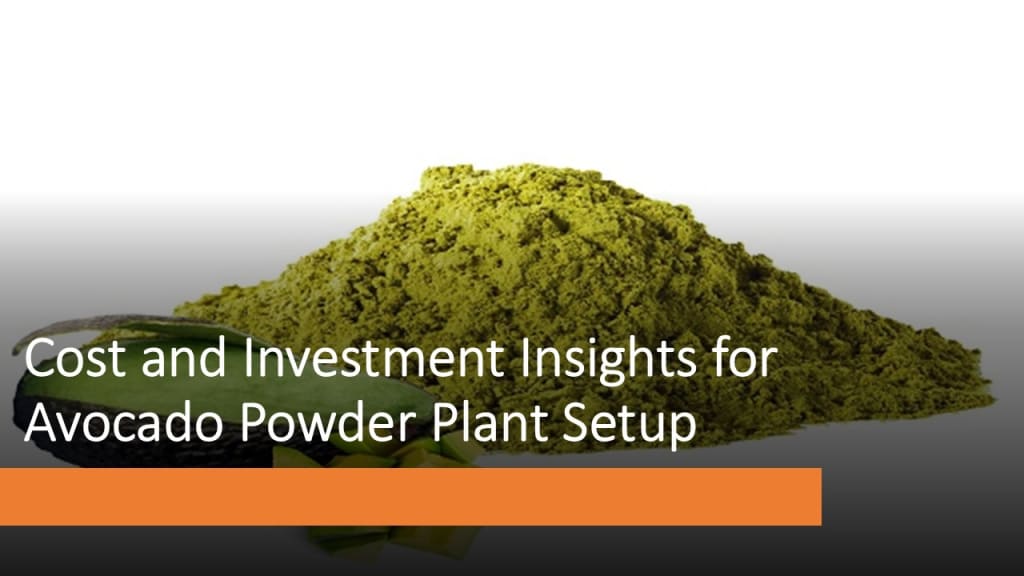
The industrial-scale production of avocado powder is experiencing significant growth, driven by escalating global demand for clean-label, nutrient-dense food ingredients. Due to its high nutritional value and superior shelf stability relative to fresh avocados, avocado powder is extensively utilized across sectors including functional foods, nutraceuticals, cosmeceuticals, and culinary formulations. Establishing an avocado powder manufacturing plant requires careful planning, significant capital investment, and attention to operating costs and machinery requirements. This comprehensive guide outlines the key financial and operational factors involved in setting up a viable avocado powder production facility.
Understanding the Market Opportunity
The rising demand for convenient, nutrient-rich food ingredients has created expanding market opportunities for avocado powder across the global food, beverage, wellness, and personal care sectors. Key end-users encompass food processors, beverage formulators, cosmetic manufacturers, and dietary supplement producers. Before investing, it is critical to assess market demand trends, competition, export opportunities, and potential buyers. A clear understanding of target customers ensures that the plant’s capacity and product specifications align with real market needs.
Request for a Sample Report: https://www.imarcgroup.com/avocado-powder-manufacturing-plant-project-report/requestsample
Creating a Successful Business Strategy
Launching an avocado powder production enterprise requires a well-crafted business strategy. Fundamental components of an effective plan encompass:
• Product Definition: Specify the types of avocado powder to be produced (e.g., organic, freeze-dried, spray-dried) and any planned variations such as flavored or fortified powders.
• Raw Material Sourcing: Identify reliable avocado suppliers, preferably local growers, to ensure consistent quality and supply.
• Production Process: Select the appropriate drying technology, packaging standards, and storage methods to maintain product quality and safety.
• Compliance and Certifications: Meet all food safety standards and obtain necessary certifications (e.g., organic, non-GMO) to access premium markets.
• Marketing and Sales Strategy: Plan distribution channels, pricing, and promotional activities to reach bulk buyers and retail partners.
• Financial Forecasts: Include realistic revenue projections, cost estimates, break-even analysis, and funding sources to secure loans or attract investors.
Capital Investment Requirements
The total capital investment for an avocado powder manufacturing plant depends on multiple factors such as production capacity, automation level, and chosen processing technology. The main capital expenditure areas include:
1. Land and Infrastructure
Investment is required to purchase or lease suitable land and develop infrastructure. The facility must have areas for raw avocado reception and cleaning, processing and drying units, packaging sections, quality control labs, storage warehouses, and administrative offices.
2. Machinery and Equipment
Avocado powder production requires specialized machinery to ensure efficient processing and high product quality. Essential equipment generally includes:
• Sorting and Washing Units: For cleaning and preparing fresh avocados.
• Peeling and Pulping Machines: To remove skins and extract pulp.
• Drying Systems: Such as freeze dryers or spray dryers, depending on the desired powder type.
• Pulverizers and Milling Machines: To grind dried avocado into a uniform, fine powder.
• Sieving and Blending Machines: For consistent texture and optional ingredient blending.
• Packaging Machinery: For filling, sealing, and labeling consumer packs or bulk bags.
• Quality Control Instruments: To test moisture content, microbiological safety, and nutrient levels.
The avocado powder manufacturing plant machinery cost varies based on production scale, level of automation, brand reputation of equipment suppliers, and after-sales support. Investing in high-quality machinery helps maintain product standards and reduces maintenance downtime.
3. Utilities and Supporting Infrastructure
Additional investment is needed for utilities such as electricity, water supply, waste management systems, and climate control for storage areas. Reliable infrastructure is vital to meet hygiene and operational requirements.
4. Licenses and Certifications
Obtaining necessary food production licenses, environmental clearances, and product certifications also requires a share of the capital budget. Compliance with local and international food safety standards is critical for market acceptance.
Operating Cost Considerations
In addition to upfront investment, careful calculation of ongoing operating costs is essential for profitability. Major operating cost components include:
• Raw Materials: Purchase of fresh avocados, additives (if any), and packaging materials.
• Labor: Salaries for production staff, quality inspectors, maintenance teams, and administrative personnel.
• Utilities: Electricity and water costs, particularly for drying systems which can be energy-intensive.
• Routine Maintenance: Periodic servicing and spare parts for machinery to prevent production delays.
• Quality Assurance: Regular lab testing to ensure product compliance with health and safety standards.
• Logistics and Distribution: Transport costs for inbound raw fruit and outbound finished powder to customers or distributors.
• Marketing and Promotion: Costs for brand development, packaging design, and advertising to reach new buyers.
Monitoring and controlling operating costs ensures stable margins and competitive pricing in the market.
Key Factors Affecting Total Setup Cost
The total setup cost of an avocado powder manufacturing plant is influenced by:
• Production Capacity: Higher output requires larger, more sophisticated machinery and bigger facilities.
• Processing Method: Freeze drying is costlier than spray drying but yields premium product quality.
• Automation Level: Fully automated plants reduce labor costs but require higher initial investment.
• Local Conditions: Land prices, labor availability, utility rates, and logistics infrastructure in the chosen location.
Proper planning and cost estimation help avoid financial surprises during construction and commissioning phases.
Establishing an avocado powder manufacturing plant is a promising venture for businesses aiming to serve health-conscious consumers and value-added food industries. Success depends on detailed market research, a clear business plan, reliable raw material sourcing, and adherence to quality standards. Understanding the capital investment, operating costs, and machinery requirements provides a solid foundation for financial planning and risk management. With the right approach, an avocado powder plant can deliver consistent returns and position itself strongly in the growing market for nutritious, shelf-stable food ingredients.
About the Creator
jamie cooke1296
IMARC Group is a global management consulting firm that helps the world’s most ambitious changemakers to create a lasting impact.
Enjoyed the story? Support the Creator.
Subscribe for free to receive all their stories in your feed.
Comments
There are no comments for this story
Be the first to respond and start the conversation.