
Copper Tube Manufacturing Plant Setup Cost: Capital Investment, Machinery, and Operating Considerations
Copper tubes are vital in many industries. You'll find them in HVAC, plumbing, refrigeration, automotive, and industrial systems.

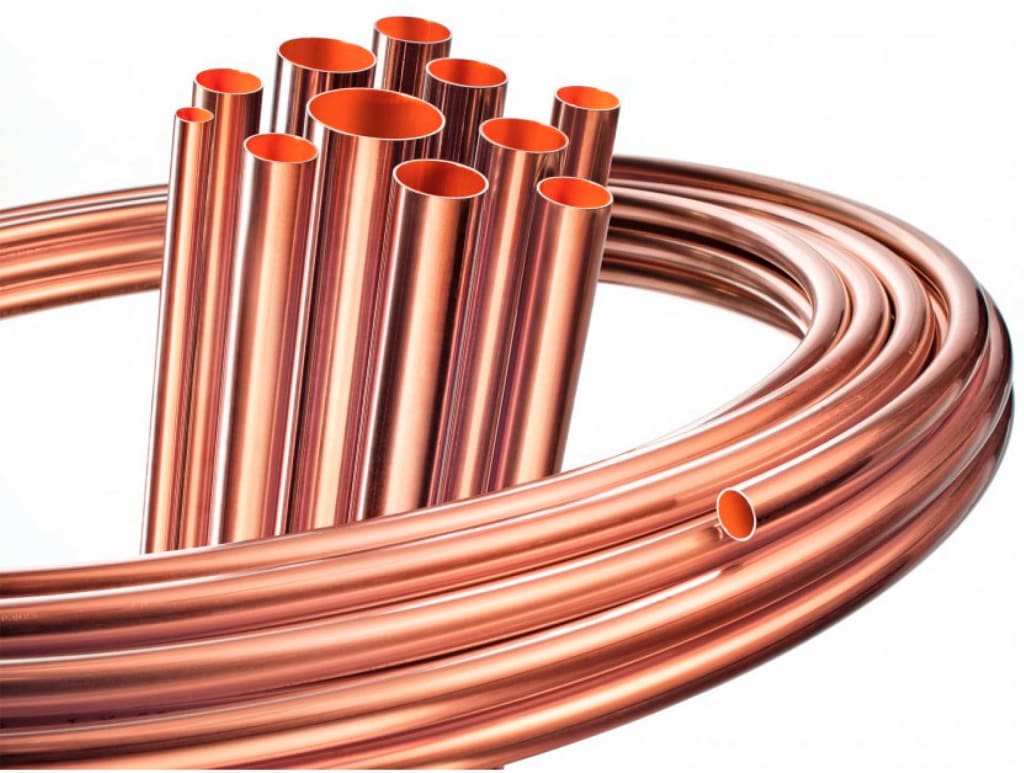
Copper tubes are essential components across a wide range of industries, including HVAC, plumbing, refrigeration, automotive, and industrial systems. With their excellent thermal conductivity, corrosion resistance, and durability, copper tubes are in consistent demand globally. Establishing a copper tube manufacturing plant is a technically intensive and capital-heavy project, but one that offers strong potential for long-term returns. This article outlines the key factors involved in the copper tube manufacturing plant setup cost, including capital investment, machinery needs, and operational expenditures.
Industry Overview and Market Potential
The copper tube industry is critical link in the supply chain of infrastructure, construction, and energy systems. As urbanization and industrialization continue to grow so does the demand for efficient piping and tubing solutions. Key applications include:
Air conditioning and refrigeration systems
Plumbing and sanitary installations
Heat exchangers in industrial equipment
Electrical systems requiring grounded conductors
The consistent and expanding market for copper-based products makes tube manufacturing a stable investment opportunity.
Overview of the Manufacturing Process
Copper tube manufacturing is a multi-stage process involving precise control over metallurgy and dimensional tolerance. The general workflow includes:
Copper Melting and Casting
Scrap or cathode copper are melted and cast into billets
Hot Extrusion
Billets are extruded into tube shells using hydraulic presses
Cold Drawing and Sizing
Tubes are drawn through dies to achieve precise diameter and wall thickness
Annealing and Cleaning
Heat treatment to improve ductility followed by chemical or mechanical cleaning
Straightening and Cutting
Final shaping and cutting of tubes to required lengths
Testing and Packaging
Quality checks for dimensions, strength, and leakage before dispatch
Each step requires specialized equipment and must comply with industrial and safety standards.
Machinery Requirements and Associated Costs
Copper tube production requires robust precision-engineered machinery capable of withstanding high temperatures and producing consistent output. The copper tube manufacturing plant machinery cost is a substantial portion of the total setup investment. Key machinery includes:
Induction Furnaces: For melting copper raw materials
Casting Machines: To form billets from molten copper
Hydraulic Extrusion Presses: For initial tube formation
Cold Drawing Machines: To achieve dimensional accuracy
Annealing Furnaces: For softening and stress relief
Tube Straighteners and Cutters: For final product sizing
Inspection and Non-Destructive Testing Equipment: To verify product integrity
Machinery cost depends on production capacity, technology (manual or automated), and origin (domestic or imported). High-precision and energy-efficient machines contribute to lower long-term operational expenses and improved product quality.
Request for a Sample Report: https://www.imarcgroup.com/copper-tube-manufacturing-plant-project-report/requestsample
Capital Investment Requirements
Establishing a copper tube manufacturing plant involves significant capital expenditure. The investment encompasses infrastructure development, machinery procurement, and auxiliary systems. Key capital investment areas include:
Land and Building: A well-planned facility for casting, extrusion, storage, and administrative functions
Civil Infrastructure: Factory floor, heavy-duty foundations, ventilation, and power distribution
Machinery and Technology: Equipment for melting, extrusion, drawing, and finishing
Utilities and Safety Systems: Industrial-scale electrical systems, water treatment, and fire protection
Regulatory and Licensing Costs: Environmental clearance, factory registration, and labor compliance
Initial Working Capital: Inventory procurement, labor setup, and operational contingency funds
The scale of investment varies depending on plant capacity, level of automation, and location-specific factors.
Operating Cost Structure
Operating a copper tube manufacturing plant involves ongoing expenditures necessary for sustained production. These costs influence profitability and must be accounted for in financial planning. Major operating cost components include:
Raw Materials
Copper cathodes or scrap metal used as input material
Fluxes, lubricants, and other consumables
Labor and Technical Workforce
Skilled labor for equipment operation, quality control, and maintenance
Administrative and logistics personnel
Energy and Utilities
Electricity for furnaces, motors, and cooling systems
Water for cooling and cleaning operations
Maintenance and Spare Parts
Routine servicing and unexpected repair costs for machinery
Stocking of critical spare parts to avoid production delays
Quality Control and Testing
In-house laboratory or third-party testing services
Compliance with product and industry specifications
Packaging and Logistics
Packaging materials for safe transport
Storage and shipping to distribution points
Efficient management of these costs is essential to maintain competitiveness, especially in markets with fluctuating copper prices and operational expenses.
Regulatory Compliance and Safety
The copper manufacturing process involves high temperatures and heavy machinery, making regulatory compliance and worker safety critical. Requirements typically include:
Occupational safety and health standards
Emission and effluent control systems
Material handling and hazardous substance protocols
Product certifications according to domestic or export standards
Implementing strict compliance measures not only meets legal obligations but also improves plant efficiency and market reputation.
Establishing a copper tube manufacturing plant is a high-investment, high-precision industrial venture with long-term commercial viability. Success depends on well-planned capital investment, the use of advanced machinery, and effective control of operating costs. While the copper tube manufacturing plant setup cost is substantial, the demand for copper-based solutions across multiple industries ensures consistent market relevance. With the right strategy, infrastructure, and compliance framework, manufacturers can build a competitive presence in this essential segment of the metal processing industry.
About the Creator
jamie cooke1296
IMARC Group is a global management consulting firm that helps the world’s most ambitious changemakers to create a lasting impact.
Enjoyed the story? Support the Creator.
Subscribe for free to receive all their stories in your feed.
Comments
There are no comments for this story
Be the first to respond and start the conversation.