
Copper Cable Manufacturing Plant Feasibility Report: A Blueprint for Your Success
Establishing a manufacturing venture within a foundational industry, such as copper cable production, presents compelling opportunities for substantial growth and enduring profitability.

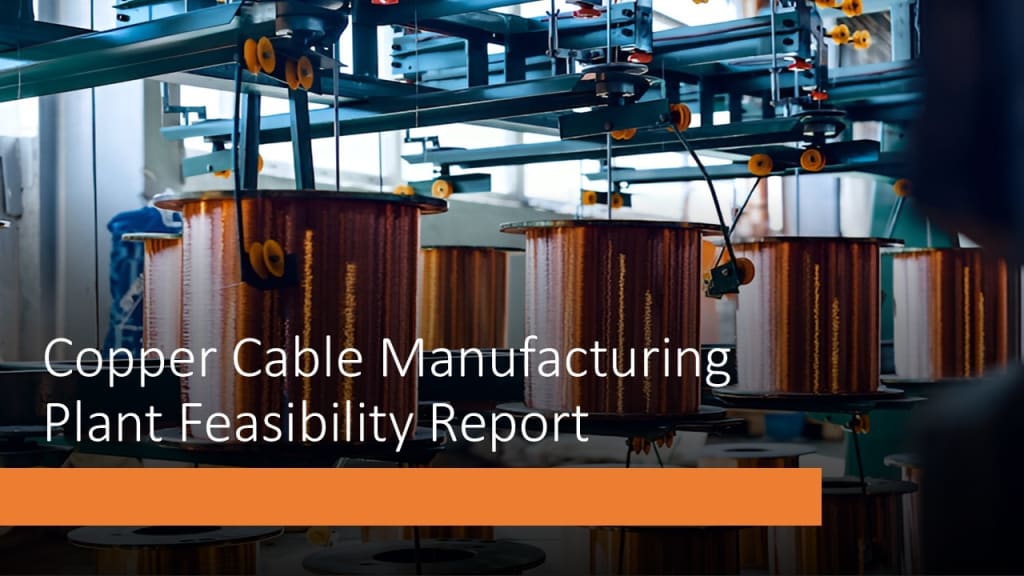
Launching a manufacturing venture in a core sector like copper cable production offers immense potential and long-term rewards. Copper cables serve as the lifelines of today’s infrastructure—crucial for delivering electricity to homes and businesses, supporting advanced communication networks, and fueling the growth of electric vehicles. With global trends leaning heavily toward electrification and digital connectivity, the demand for reliable, high-quality copper cables continues to grow. This evolving landscape presents a promising avenue for forward-thinking investors and entrepreneurs looking to capitalize on a vital and expanding market.
This report serves as your complete and accessible guide, providing a thorough exploration of the vital factors involved in setting up a copper cable manufacturing facility. We’ll cover everything from analyzing market trends and demand, to explaining the production workflow, and breaking down the key financial elements—equipping you with the knowledge needed to establish a strong and successful business foundation.
1. Market Dynamics: Wiring Up to Opportunity
Before breaking ground, it’s crucial to grasp the environment you’re stepping into. The worldwide need for copper cables is propelled by multiple strong factors: fast-paced urban growth, growing industrial activities, hefty investments in renewable energy projects, the increasing uptake of electric vehicles, and ongoing progress in telecommunications technologies such as the rollout of 5G.
A thorough market analysis will illuminate:
• Global and Regional Demand: Pinpointing major geographic areas that exhibit strong demand and significant growth opportunities.
• Key Application Industries: Identifying primary sectors such as construction, power transmission, automotive, telecommunications, and electronics that will drive your customer base.
• Market Segmentation: Categorizing different cable types—including low, medium, and high voltage cables, as well as control, instrument, and communication cables—and assessing the market size for each segment.
• Competitive Landscape: Examining current competitors, their market shares, product portfolios, and pricing tactics to uncover areas for differentiation and competitive advantage.
This section is designed to assist you in identifying your target market and customizing your product range to address particular demands, setting your plant up for maximum growth potential.
Request for a Sample Report: https://www.imarcgroup.com/copper-cable-manufacturing-plant-project-report/requestsample
2. Product & Process: Crafting Quality Copper Cables
The heart of your manufacturing plant lies in its ability to produce high-quality copper cables efficiently. This part of the report will detail the types of cables you plan to manufacture and the intricate process involved in their creation.
Typical copper cable manufacturing involves several key stages:
• Copper Rod Breakdown: Converting large diameter copper rods into smaller wires.
• Wire Drawing: Further reducing the wire diameter to the precise gauges required for various cables.
• Stranding: Twisting multiple drawn wires together to form a conductor, enhancing flexibility and strength.
• Insulation: Applying an insulating layer (e.g., PVC, XLPE, rubber) over the conductor to prevent electrical leakage.
• Cabling/Laying Up: Twisting insulated conductors together to form multi-core cables.
• Inner Sheathing & Armoring (if required): Adding protective layers for mechanical strength and environmental resistance.
• Outer Sheathing: Applying the final protective outer layer.
• Testing and Packaging: Rigorous quality control checks to ensure compliance with standards, followed by proper coiling and packaging for distribution.
Understanding each step is crucial for optimizing workflow, ensuring quality, and planning for necessary machinery.
3. Plant Setup & Infrastructure: Building Your Manufacturing Hub
The physical location and design of your plant play a pivotal role in its operational efficiency and long-term success. This section will cover critical infrastructure considerations:
• Site Selection: Key factors include proximity to raw material suppliers and target markets, availability of reliable power and water, access to transportation networks, and adherence to local zoning and environmental regulations.
• Plant Layout: An optimized layout ensures a smooth flow of materials and products through the manufacturing process, minimizing bottlenecks and maximizing productivity. This includes areas for raw material storage, production lines, quality control, finished goods warehousing, and administrative offices.
• Essential Utilities: Assessing the reliable supply of electricity, industrial water, and appropriate waste management systems is paramount for continuous and compliant operations.
4. Machinery & Equipment: The Heart of Production
Equipping your plant with the right machinery is a significant investment and directly impacts your production capacity, efficiency, and product quality. Key equipment typically includes:
• Rod Breakdown Machines: For initial wire diameter reduction.
• Multi-wire Drawing Machines: For finer wire production.
• Stranding Machines: To twist wires into conductors.
• Extrusion Lines: For applying insulation and sheathing.
• Cabling Machines: For assembling multi-core cables.
• Winding and Coiling Equipment: For finishing and packaging.
• Quality Control and Testing Equipment: Essential for ensuring product compliance with national and international standards (e.g., high voltage testers, tensile testers, resistance meters).
• Material Handling Equipment: Such as overhead cranes, forklifts, and conveyers.
The choice of machinery will depend on your target production volume, desired product range, and budget, with considerations for automation and energy efficiency.
5. Raw Materials & Supply Chain: Ensuring a Steady Flow
The quality and consistent supply of raw materials are fundamental to copper cable manufacturing. This section will focus on:
• Primary Raw Materials: The most critical material is high-purity copper rods, which form the conductor. Other essential materials include various plastic compounds (e.g., PVC, XLPE, LSFOH) for insulation and sheathing, fillers, and tapes.
• Sourcing Strategy: Developing a robust supply chain involves identifying reliable suppliers, negotiating favorable terms, and potentially diversifying sources to mitigate risks. Both local and international procurement options should be explored.
• Quality Control: Implementing stringent checks for incoming raw materials is crucial to prevent defects and ensure the final product meets specifications.
6. Human Resources: Powering Your Workforce
A skilled and motivated workforce is indispensable for a successful manufacturing operation. This section outlines:
• Manpower Requirements: Identifying the number and types of personnel needed, including engineers (mechanical, electrical, chemical), skilled technicians for machine operation and maintenance, quality control specialists, and administrative and management staff.
• Organizational Structure: Defining clear roles, responsibilities, and reporting lines for efficient management.
• Training and Development: Investing in continuous training programs to ensure employees are proficient in operating new machinery, adhering to safety protocols, and staying updated with industry advancements.
7. The Investment Picture: Understanding Copper Cable Manufacturing Plant Setup Cost
Establishing a copper cable manufacturing plant is a capital-intensive undertaking, requiring significant upfront investment. A detailed feasibility report will meticulously break down these costs to provide a clear financial roadmap.
Key categories of setup costs typically include:
• Land Acquisition and Site Development: Costs associated with purchasing or leasing the land, site preparation, and necessary grading or foundation work.
• Building and Civil Works: Expenses for constructing the factory building, warehouses, administrative offices, and utility infrastructure.
• Machinery and Equipment Procurement: The largest component, covering the cost of all production machinery, testing equipment, and material handling systems.
• Installation and Commissioning: Costs related to the setup, testing, and calibration of all machinery, ensuring it's ready for operation.
• Pre-operative Expenses: Initial costs incurred before commercial production begins, such as pre-production trials, initial marketing efforts, and administrative overheads during the setup phase.
• Working Capital: Funds required to cover initial operational expenses like raw material purchases, salaries, and utilities before significant revenue generation begins.
• Contingency: A crucial allocation for unforeseen expenses or delays during the project implementation.
While specific figures will vary greatly depending on scale, location, and technology choices, understanding these categories is the first step in financial planning.
8. Financial Projections: Illuminating the Path to Profitability
This crucial section translates all the operational and market insights into a clear financial outlook. It will include:
• Revenue Projections: Forecasts based on anticipated production capacity, sales volume, and pricing strategies.
• Operating Costs: Detailed breakdown of ongoing expenses, including raw materials, utilities, labor, maintenance, and administrative overheads.
• Profit and Loss Statements: Projections of your business's income and expenses over a specified period (e.g., 5-10 years).
• Cash Flow Statements: Analysis of cash inflows and outflows, indicating liquidity.
• Balance Sheets: Snapshot of the company's financial position at various points in time.
• Key Financial Ratios & Metrics:
o Return on Investment (ROI): Measures the profitability of the investment.
o Net Present Value (NPV): Evaluates the profitability of the investment considering the time value of money.
o Payback Period: Indicates the time required to recover the initial investment.
o Break-Even Analysis: Determines the sales volume needed to cover all costs.
• Funding Requirements: Identifying the total capital needed and potential sources of financing (e.g., equity, debt).
9. Risk Assessment & Mitigation: Navigating the Challenges
Every business venture carries inherent risks. A robust feasibility report identifies potential challenges and outlines strategies to minimize their impact:
• Technical Risks: Equipment breakdowns, production inefficiencies, or quality control issues.
o Mitigation: Regular maintenance, skilled technicians, robust QC protocols.
• Market Risks: Fluctuations in copper prices, changes in demand, or increased competition.
o Mitigation: Diversified customer base, flexible pricing, market intelligence.
• Operational Risks: Supply chain disruptions, labor shortages, or regulatory changes.
o Mitigation: Multiple suppliers, talent retention programs, strong legal compliance.
• Financial Risks: Cost overruns, lower-than-expected sales, or unfavorable interest rates.
o Mitigation: Contingency planning, conservative financial projections, robust financial management.
10. Environmental & Regulatory Compliance: Responsible Manufacturing
Operating a manufacturing plant comes with significant environmental and regulatory responsibilities. This section ensures your plan aligns with sustainable practices and legal requirements:
• Environmental Impact Assessment (EIA): Analyzing potential impacts on air, water, and soil, and planning mitigation measures.
• Waste Management: Developing comprehensive plans for handling industrial waste, including recycling and safe disposal of any hazardous materials.
• Licenses and Certifications: Ensuring compliance with all necessary local, national, and international licenses, permits, and quality certifications (e.g., ISO standards).
• Sustainability Initiatives: Exploring opportunities for energy efficiency, water conservation, and adopting greener manufacturing processes to reduce your environmental footprint.
A comprehensive feasibility report for a copper cable manufacturing plant serves as your essential roadmap. It provides the detailed insights and financial analysis needed to make informed decisions, secure funding, and strategically plan every aspect of your venture. By thoroughly addressing market opportunities, operational complexities, financial viability, and potential risks, you're not just building a plant – you're laying the groundwork for a resilient and profitable business.
This report is designed to empower you with the knowledge to confidently take the next steps, whether that's refining your business model, seeking investment, or initiating the plant development process. Your vision for a successful copper cable manufacturing plant is now closer to reality!
About the Creator
jamie cooke1296
IMARC Group is a global management consulting firm that helps the world’s most ambitious changemakers to create a lasting impact.
Enjoyed the story? Support the Creator.
Subscribe for free to receive all their stories in your feed.
Comments
There are no comments for this story
Be the first to respond and start the conversation.