
Complete Nursing and Home Care Services with Disability in Melbourne
Complete Nursing and Home Care

When it comes to caring for someone with a disability, having access to reliable, professional, and compassionate care is essential. In Melbourne, individuals and families with loved ones who have disabilities can benefit from specialized nursing and home care services. These services are designed to ensure that people with disabilities can live as independently and comfortably as possible, while still receiving the support and care they need.
In this blog, we will explore the complete nursing and home care services available to people with disabilities in Melbourne. We will discuss the benefits, types of services available, and how these services can improve the quality of life for people with disabilities.
What are Nursing and Home Care Services for People with Disabilities?
Nursing and home care services for people with disabilities are specialized healthcare and assistance services provided in the comfort of the home. These services are designed to cater to the unique needs of individuals with physical, intellectual, or developmental disabilities. They can be short-term or long-term, depending on the individual’s condition and requirements.
Home care can include help with daily activities, such as bathing, dressing, and feeding, as well as specialized medical care. Nursing services involve the care and management of medical conditions, medication administration, wound care, and more. All of these services are provided by trained healthcare professionals who understand the specific needs of people with disabilities.
Benefits of Nursing and Home Care Services for People with Disabilities
Personalized Care: One of the greatest benefits of home care services is that they are tailored to meet the unique needs of each individual. Whether it’s assistance with daily tasks, medical care, or emotional support, home care services are customized to ensure that the person receiving care is well taken care of.
Comfort and Familiarity: Being at home is more comfortable and less stressful for many people with disabilities. Home care allows them to receive the care they need in a familiar environment, surrounded by family and friends.
Promotes Independence: While people with disabilities may need assistance, home care services can be designed to promote as much independence as possible. Caregivers assist with tasks that are challenging, but also encourage independence and self-reliance where appropriate.
Better Quality of Life: With the right care and support, people with disabilities can experience a higher quality of life. They can remain active, engaged, and involved in their communities, all while receiving the necessary support for their needs.
Cost-Effective: Nursing and home care services are often more affordable than other care options, such as nursing homes or assisted living facilities. The cost can be adjusted based on the level of care required, making it an economical option for many families.
Types of Nursing and Home Care Services for Disabilities
There are many different types of nursing and home care services available for people with disabilities in Melbourne. Here are some of the most common services:
1. Personal Care Services
Personal care services help individuals with disabilities manage daily tasks that may be difficult for them, such as bathing, grooming, dressing, and toileting. These services are provided by trained personal care aides who ensure that the person is comfortable and clean.
2. Domestic Assistance
Domestic assistance helps with household tasks that may be difficult for someone with a disability, such as cooking, cleaning, shopping, and laundry. Caregivers can assist with these tasks to ensure the home remains clean and organized.
3. Nursing Care Services
Nursing care services involve the medical aspects of care, including medication administration, monitoring vital signs, wound care, and general healthcare management. Registered nurses are trained to provide specialized care for people with disabilities, ensuring they receive proper medical attention at home.
4. Physiotherapy and Occupational Therapy
Physiotherapy and occupational therapy are important services that help people with disabilities improve their mobility, strength, and daily functioning. Physiotherapists work on physical rehabilitation, while occupational therapists assist with skills that enable the individual to perform everyday tasks.
5. Respite Care
Respite care provides short-term relief to primary caregivers. Caregivers who look after individuals with disabilities may experience burnout, so respite care offers them a break. During this time, the person with the disability will continue to receive the care they need from professional caregivers.
6. Palliative Care
Palliative care is a type of care that focuses on providing comfort and improving the quality of life for individuals with serious, terminal illnesses. For people with disabilities who may have life-limiting conditions, palliative care ensures they are kept as comfortable as possible in their final days.
7. Social Support Services
Social support services focus on the emotional and psychological well-being of people with disabilities. Caregivers provide companionship and support, helping to prevent feelings of isolation and loneliness. These services may include activities such as social outings, conversations, and emotional support.
How Can Nursing and Home Care Services Improve the Life of People with Disabilities?
Nursing and home care services are essential for people with disabilities, as they help ensure that individuals receive the care and support they need while maintaining their dignity and independence. Here are some of the ways that these services can improve the lives of people with disabilities:
1. Increasing Independence
People with disabilities often have the ability to live independently, but they may need support in certain areas. Home care services allow individuals to live in their own homes while receiving assistance with tasks they may struggle with. This promotes independence and allows them to retain a sense of control over their daily lives.
2. Enhancing Social Interaction
Home care services often include social activities and companionship, which can help prevent isolation. Many people with disabilities feel lonely and disconnected from society, but by having regular contact with caregivers or participating in social outings, they can feel more included and connected.
3. Improved Health Outcomes
With nursing care services, individuals with disabilities can receive ongoing medical support, which can help manage chronic conditions and prevent further complications. Regular monitoring of vital signs, medication administration, and wound care all contribute to better health outcomes and overall well-being.
4. Supporting Family Caregivers
Family members who care for individuals with disabilities often face a heavy burden. Home care services can ease this burden by providing respite care and allowing family members to take time for themselves. This ensures that caregivers don’t become overwhelmed and that they can continue to provide quality care for their loved ones.
5. Cost-Effective Care
Home care services are typically more affordable than institutionalized care, such as nursing homes or long-term care facilities. This makes home care an attractive option for many families who want to provide the best care possible without straining their finances.
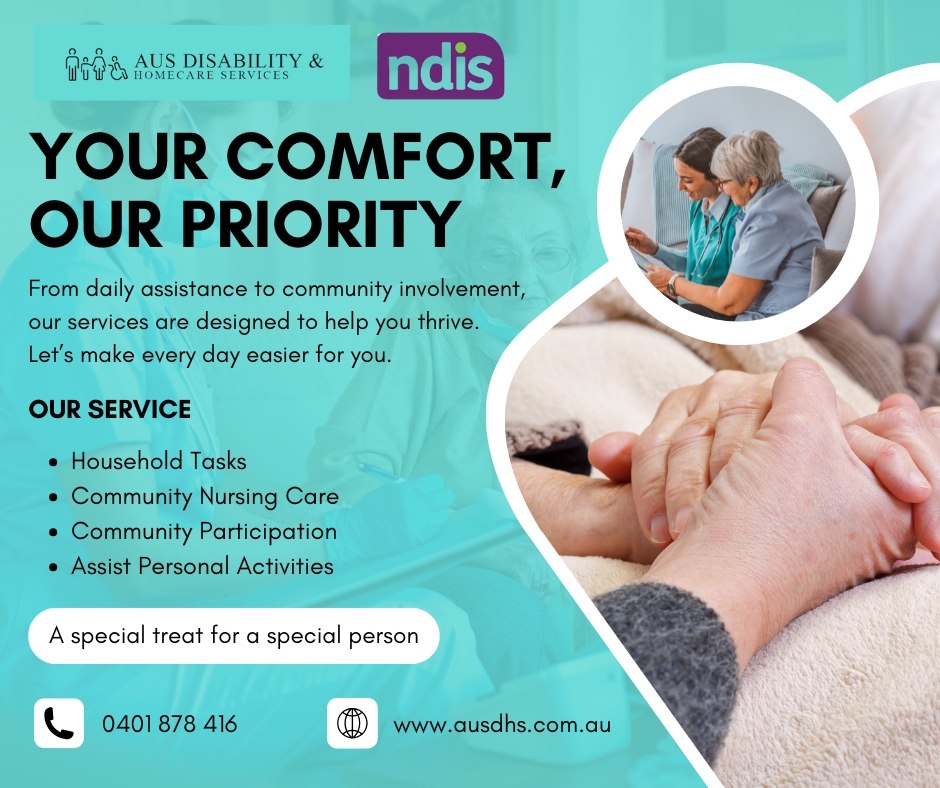
If you or a loved one is in need of nursing and home care services in Melbourne, it is important to choose a reliable and professional care provider who understands your unique needs. By doing so, you can ensure that the person receiving care enjoys the highest quality of life possible while receiving the attention and support they deserve.
About the Creator
Enjoyed the story? Support the Creator.
Subscribe for free to receive all their stories in your feed.
Comments
There are no comments for this story
Be the first to respond and start the conversation.