
Common Causes of Road Crashes and How to Reduce Your Risk
Most road crashes are not freak events. They tend to follow familiar patterns, and the drivers involved are often ordinary people who made one poor decision or ran out of attention at the wrong moment.

Most road crashes are not freak events. They tend to follow familiar patterns, and the drivers involved are often ordinary people who made one poor decision or ran out of attention at the wrong moment. Knowing what those patterns look like is the first step to avoiding them.
This article covers the most common causes of crashes on Australian roads and the habits that lower your risk.
Common Causes of Road Crashes
1. Impaired Driving
Alcohol and drugs slow reaction times, weaken judgement and reduce coordination. Impaired drivers often misjudge distances and speeds, and they tend to underestimate how affected they are. That is why impairment remains one of the most serious contributors to fatal crashes.
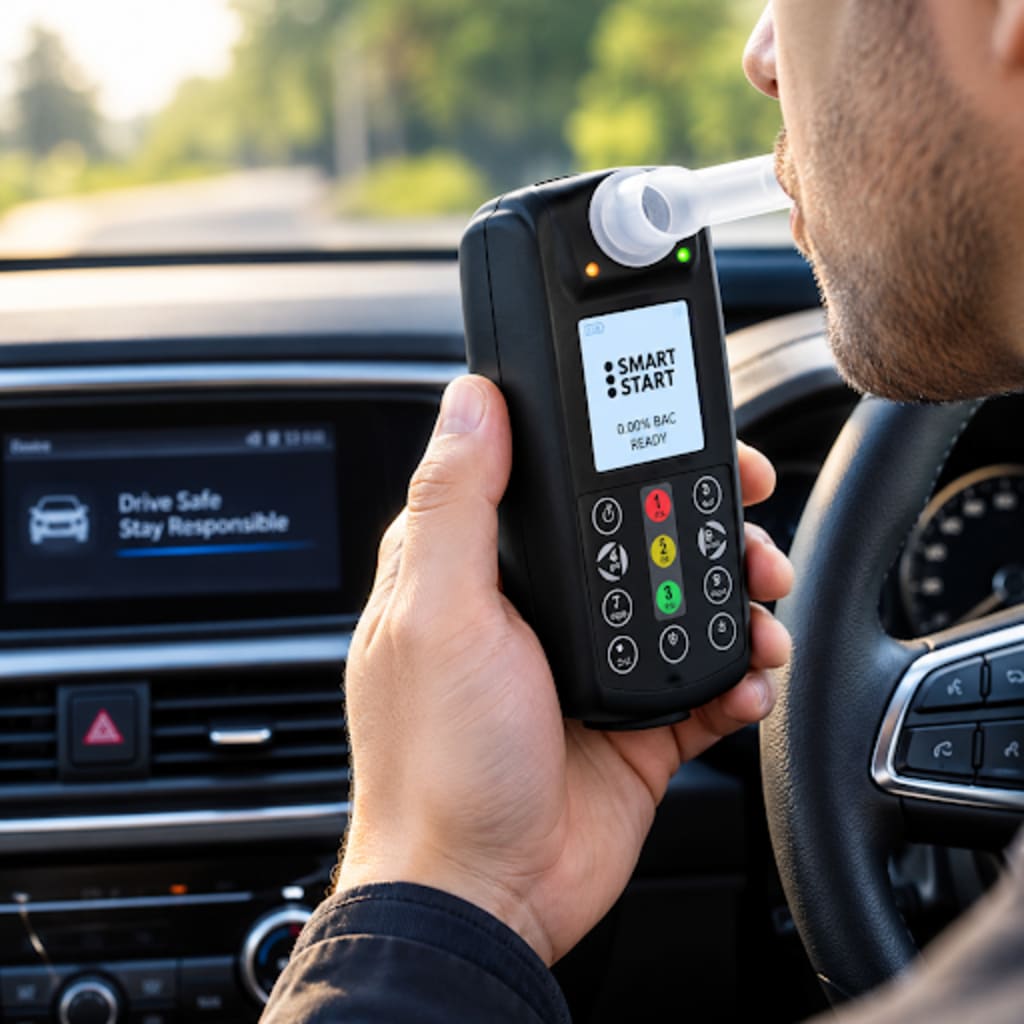
For drivers convicted of drink-driving offences, many Australian jurisdictions require an alcohol ignition interlock, a device wired into the vehicle that requires a clean breath sample before the engine will start. It works as a practical safeguard because it does not rely on the driver's judgement at the moment.
2. Distracted Driving
Phones are the obvious culprit, but eating, adjusting the navigation, reaching for something on the back seat, or talking with passengers can also pull attention from the road. A couple of seconds looking away is enough to miss brake lights ahead or a pedestrian stepping out.
3. Speeding
Higher speed means less time to react and a longer distance to stop. It also increases the force of an impact, so a crash that might have been survivable at the limit can become a fatal one. Speed limits are set with road design, traffic and hazards in mind, not as arbitrary numbers.
4. Fatigue
Tiredness affects driving much like alcohol does: concentration drops, reactions slow, and microsleeps can occur without warning. Fatigue crashes are common on long trips, late at night and in the early hours of the morning, often involving a single vehicle leaving the road.
5. Poor Weather Conditions
Rain, fog and wet roads reduce both visibility and tyre grip. The danger is usually not the weather itself but a driver who keeps the same speed and following distance as on a dry, clear day.
6. Ignoring Traffic Signals and Road Rules
Running red lights, rolling through stop signs and misjudging right-of-way cause many intersection crashes, which can be especially dangerous because vehicles are hit from the side.
7. Not Wearing a Seatbelt
A seatbelt does not prevent a crash, but it is one of the biggest factors in whether people survive one. Unrestrained occupants are far more likely to be seriously injured or killed.
Practical Ways to Reduce Your Risk
Plan ahead if you will be drinking. Arrange a designated driver, a taxi or a rideshare before the first drink, not after. Remember that you can still be over the limit the morning after a heavy night.
Put the phone out of reach. Set up navigation and music before you move off, and switch on "do not disturb" while driving. If something needs attention, pull over safely.
Keep to the speed limit, and go slower when conditions call for it. The posted limit is a maximum for good conditions, not a target.
Treat tiredness as a real hazard. Get proper sleep before a long drive, take a break roughly every two hours, and avoid driving when you would normally be asleep. If you start yawning, drifting or missing exits, stop and rest.
Adjust for the weather. Slow down, leave a larger gap to the car ahead, use your headlights, and check tyre tread and windscreen wipers before wet-season driving.
Know and follow the road rules. Approach intersections prepared to stop, check for cross traffic even on a green light, and give way when you are required to.
Buckle up every trip. Make sure every passenger does too, including on short drives.
Conclusion
Impairment, distraction, speed, fatigue, bad weather, rule-breaking and unbuckled seatbelts account for a large share of serious crashes. Most are preventable with a little planning and consistent habits. Small decisions, such as handing over the keys, leaving the phone alone or taking a rest stop, are often what separate a normal trip from a tragic one.
About the Creator
Enjoyed the story? Support the Creator.
Subscribe for free to receive all their stories in your feed.
Comments
There are no comments for this story
Be the first to respond and start the conversation.