
Cloud Kitchen Business Model: A Game Changer for the Food Industry
Cloud kitchens revolutionize the food industry by operating delivery-only kitchens, reducing overhead costs, and maximizing efficiency for restaurants and food entrepreneurs.

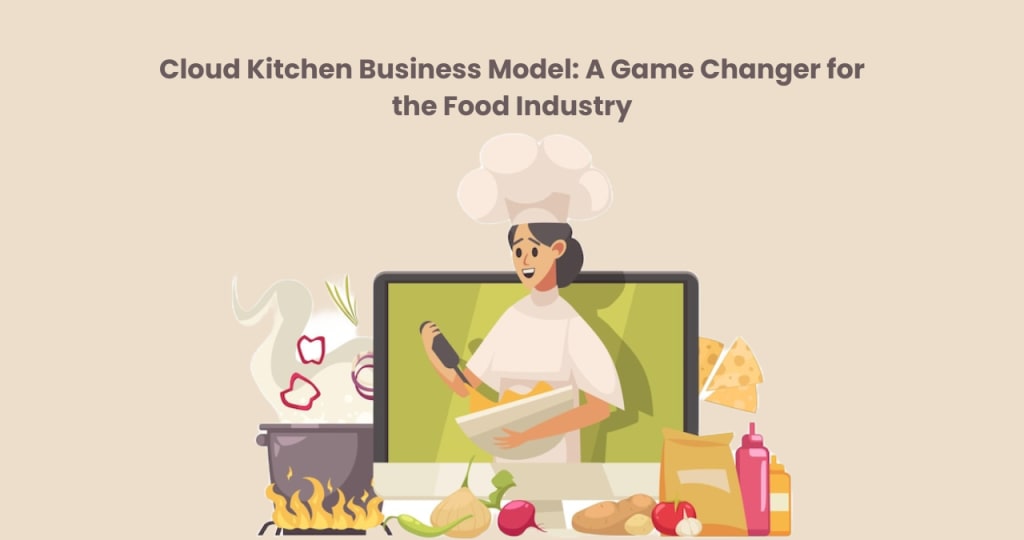
The food industry has always been a dynamic sector, constantly evolving to meet the needs and demands of consumers. One of the most significant innovations to emerge in recent years is the concept of cloud kitchens. Cloud kitchens are also known as virtual kitchens or dark kitchens, and they have taken the food industry by storm. With the increasing popularity of food delivery apps and changing consumer preferences, the cloud kitchen business model is quickly becoming a game-changer for restaurants, food delivery services, and entrepreneurs. In this blog post, we’ll dive into what cloud kitchens are, how they work, their advantages, and how they’re shaping the future of the food industry.
What is a Cloud Kitchen?
A cloud kitchen is a type of food establishment that operates solely for delivery and doesn’t have a physical storefront where customers can walk in to eat. Unlike traditional restaurants, cloud kitchens focus entirely on preparing food for delivery through third-party apps or their own delivery platform. They do not need a prime location or the associated costs, such as high rent or interior decor, because they don’t rely on foot traffic.
Cloud kitchens leverage technology to streamline operations, offer diverse menus, and fulfill a large number of online orders in a relatively short period. This business model is an excellent solution for restaurateurs looking to cut overhead costs while meeting the growing demand for food delivery services.
How Cloud Kitchens Work
Cloud kitchens operate by utilizing a centralized kitchen space to prepare meals for delivery only. These kitchens are usually equipped with state-of-the-art cooking equipment and delivery infrastructure to meet the growing demand for food delivery services.
Centralized Kitchen Operations
A cloud kitchen typically consists of a large kitchen facility where multiple chefs prepare food for different brands or food concepts. This shared space allows multiple businesses to operate from a single location, cutting down on operational costs. A single kitchen can serve several different food brands, with each brand operating under its own name and offering a unique menu.
Delivery-Only Model
Unlike traditional restaurants, cloud kitchens don’t serve customers in-house. Instead, they partner with food delivery platforms like Uber Eats, DoorDash, Grubhub, and Zomato to reach customers. Orders are placed online through these platforms, and food is delivered directly to the customer's door. This allows cloud kitchens to serve customers from a wide geographical area without the need for physical dining space.
Use of Technology
Cloud kitchens rely heavily on technology for smooth operations. From managing orders and inventory to tracking delivery drivers, technology plays a vital role in ensuring that everything runs efficiently. Many cloud kitchens even develop their own apps to offer customers a more personalized experience, allowing them to place orders directly and track their food in real-time.
Why is the Cloud Kitchen Business Model Gaining Popularity?
Several factors contribute to the rise of cloud kitchens in the food industry. Let’s take a closer look at some of the most important reasons behind their growing popularity.
Low Overhead Costs
One of the primary advantages of the cloud kitchen model is its ability to cut costs. Without the need for a physical storefront, expensive decor, or a prime location, cloud kitchens can significantly reduce overhead costs. This allows entrepreneurs and restaurant owners to focus more on food quality, innovation, and customer service, rather than worrying about rent and utilities.
Flexibility and Scalability
Cloud kitchens provide a high degree of flexibility. Restaurateurs can experiment with different cuisines, menus, and concepts without the risk of a large investment in a physical location. If one menu item doesn’t perform well, it can easily be changed or replaced. Additionally, cloud kitchens can scale up operations by expanding to multiple kitchen locations or launching new virtual brands quickly.
Catering to Changing Consumer Behavior
The rise of food delivery apps and the increasing preference for ordering food online have reshaped consumer behavior. People today are more inclined to order food online rather than dine out. This change in consumer preferences has created a massive opportunity for cloud kitchens, as they are designed to cater to this demand. With faster delivery times and a variety of cuisines available, cloud kitchens are well-positioned to meet the needs of modern consumers.
Access to Larger Markets
Cloud kitchens aren’t limited by location. Since they rely on delivery platforms, they can serve a much larger geographic area compared to traditional restaurants. A cloud kitchen can expand its reach to nearby neighborhoods or even cities without the need for additional locations or storefronts. This ability to access a wider market is particularly valuable in densely populated urban areas where demand for food delivery is high.
Advantages of Cloud Kitchens
The cloud kitchen model offers numerous advantages, both for entrepreneurs and customers. Here are some of the key benefits:
Read More: Zomato Clone Scripts | Custom App Development Service
Cost Efficiency
Cloud kitchens are far more cost-efficient than traditional restaurants. They save money on rent, utilities, interior design, and front-of-house staff. This allows owners to redirect their funds into improving food quality, marketing efforts, and customer experience.
Diverse Menu Options
Since cloud kitchens are typically not bound by the constraints of a physical restaurant, they can offer a wide variety of food choices. A single kitchen space can accommodate multiple brands and menus, offering customers a more diverse range of food options. Whether it’s pizza, burgers, or Asian cuisine, cloud kitchens can deliver it all.
Faster Adaptation to Market Trends
Cloud kitchens can quickly pivot to meet changing market trends. For example, if there is a sudden rise in demand for vegan or plant-based foods, a cloud kitchen can introduce new menus to cater to these preferences without much risk or investment.
Focused Delivery Experience
Since cloud kitchens specialize in delivery, they can focus all their efforts on ensuring that customers have a smooth, fast, and high-quality delivery experience. From packaging to delivery time, cloud kitchens can optimize every step of the process to exceed customer expectations.
How Cloud Kitchens are Shaping the Future of the Food Industry
The rise of cloud kitchens is shifting the traditional restaurant industry landscape. As more people opt for food delivery, cloud kitchens are evolving into the go-to solution for restaurateurs and food delivery services. This trend has also led to the growth of food delivery apps and other technologies that help streamline the entire process, from ordering to delivery.
With cloud kitchens, entrepreneurs can easily enter the food industry with lower risk and initial investment. Additionally, they can use data-driven insights to understand consumer preferences and improve their offerings. As the cloud kitchen model continues to grow, we’re likely to see more innovative approaches to food delivery and the emergence of new food concepts that cater to evolving customer needs.
FAQs
What are the costs involved in setting up a cloud kitchen?
Setting up a cloud kitchen is generally less expensive than opening a traditional restaurant. The primary costs include renting a commercial kitchen space, purchasing cooking equipment, hiring staff, and setting up an online ordering system. While you don’t need to worry about front-of-house costs, marketing and delivery services are crucial expenses.
Is a cloud kitchen business profitable?
Yes, cloud kitchens have the potential to be profitable, as they operate with lower overhead costs and cater to a large market through delivery services. However, success depends on factors like food quality, efficient operations, and effective marketing strategies.
Do I need to develop an app for my cloud kitchen?
While it's not strictly necessary, having your own app can provide customers with a better experience. An app can help you build customer loyalty, offer promotions, and allow customers to place orders directly. Partnering with third-party delivery services is still an option if you don’t want to develop an app right away.
Conclusion
In conclusion, the cloud kitchen business model is undoubtedly a game changer for the food industry. By offering low overhead costs, flexibility, scalability, and a tailored delivery experience, cloud kitchens are well-positioned to meet the demands of today’s consumers. For entrepreneurs looking to enter the food industry, this model presents an excellent opportunity to innovate and grow. Moreover, with the right support from an app development company, cloud kitchens can enhance their online presence, optimize delivery systems, and ultimately drive success in a rapidly evolving market. The future of food delivery is bright, and cloud kitchens are at the forefront of this transformation.
About the Creator
smithjohens
White Label Fox offers expert clone app development services with tailored, scalable, and user-friendly solutions. Turn your business ideas into successful ventures with our complete on-demand tech suite. Get in touch with us today!
Enjoyed the story? Support the Creator.
Subscribe for free to receive all their stories in your feed.
Comments
There are no comments for this story
Be the first to respond and start the conversation.