
Cladding Market Surge Signals Global Shift
Global cladding market momentum reshapes materials landscape across infrastructure and design ecosystems
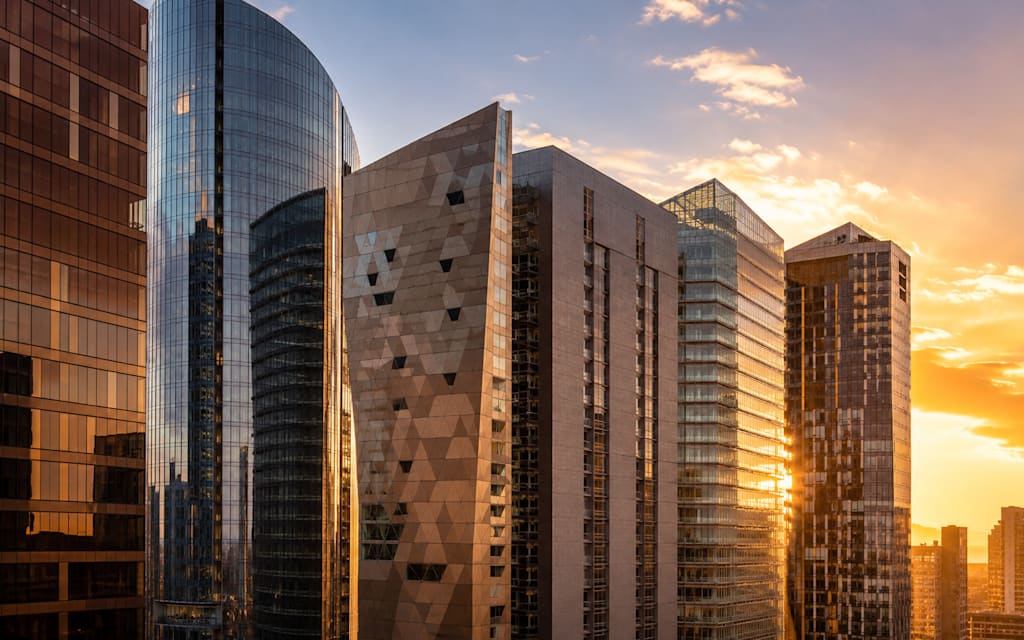
A quiet transformation is unfolding across skylines worldwide, one that most people pass by without noticing. Buildings are no longer just structures; they are becoming engineered skins of performance, efficiency, and identity.
From reflective glass towers in megacities to eco-conscious timber-clad residential blocks, the outer layers of architecture are being redesigned with precision. This silent shift is not aesthetic alone, it is deeply economic, driven by materials innovation, sustainability mandates, and urban expansion pressures.
According to Cladding Market Report, the sector is projected to move from USD 127.75 billion in 2025 to USD 135.89 billion in 2026, ultimately reaching USD 185.08 billion by 2031, expanding at a CAGR of 6.37% during 2026–2031. These figures signal more than growth, they reflect a redefinition of how cities are visually and structurally formed.
Behind these numbers lies a story of materials evolution, regulatory change, and design intelligence reshaping global construction priorities.
Global Cladding Systems and Urban Transformation
Modern architecture is increasingly defined by its external envelope, where performance and aesthetics converge. The expansion of smart cities, energy-efficient infrastructure, and green building codes has intensified the adoption of advanced exterior materials across continents.
The cladding industry is no longer limited to protective coverings; it now integrates thermal efficiency, acoustic control, fire resistance, and environmental responsiveness. Developers are prioritizing facades that reduce long-term operational costs while enhancing visual identity.
Within this transformation, the cladding market size reflects accelerating urban redevelopment projects, particularly in Asia-Pacific and the Middle East, where megastructures continue to redefine skylines. At the same time, Europe’s renovation wave is modernizing older infrastructure with advanced exterior systems.
Meanwhile, the cladding market share is becoming more competitive as manufacturers diversify into composite panels, aluminum systems, and ventilated façade technologies. Strategic positioning is increasingly tied to innovation pipelines rather than traditional material dominance.
This evolving landscape shows that cladding is not just a construction input—it is a critical layer in urban storytelling, shaping how cities communicate identity, sustainability, and technological progress.
Global Cladding Dynamics Reshaping Urban Identity
The transformation of urban landscapes is increasingly tied to exterior material strategies that define both performance and perception. Across fast-expanding cities, developers are treating building exteriors as long-term investments rather than purely decorative layers. This shift is redefining procurement decisions, architectural branding, and infrastructure planning at a global scale.
Architectural firms are responding by aligning design philosophies with lifecycle performance metrics. Facades are now engineered to respond to climate stressors, reduce energy consumption, and support sustainable certification frameworks. This integration of design and data is reshaping how buildings are conceptualized from the earliest planning stages.
Material Intelligence Driving Next-Gen Construction
As global infrastructure accelerates, material science is becoming central to architectural competitiveness. Digital modeling, prefabrication techniques, and lifecycle performance analytics are reshaping procurement decisions across large-scale developments.
The cladding market growth is strongly influenced by the rising demand for energy-efficient retrofitting and green-certified buildings. Developers are increasingly integrating data-driven material selection tools to optimize thermal insulation and carbon footprint reduction at scale.
At the same time, the cladding industry is witnessing diversification across product categories, including rainscreen systems, metal composites, fiber cement boards, and ceramic-based facades. Each category is being refined for durability, sustainability, and aesthetic flexibility.
The sector’s expansion trajectory is reinforced by continuous innovation cycles, where manufacturers compete on recyclability, installation efficiency, and climate adaptability. As urban density increases, the role of exterior systems becomes even more critical in managing heat loads, energy consumption, and structural longevity.
Ultimately, the global shift in construction philosophy positions cladding as both a functional necessity and a strategic design layer. Its evolution reflects broader changes in how societies build, inhabit, and future-proof urban environments.
As cities continue to evolve vertically and sustainably, what role do you think exterior building materials will play in defining the identity of future skylines?
About the Creator
Enjoyed the story? Support the Creator.
Subscribe for free to receive all their stories in your feed.
Comments
There are no comments for this story
Be the first to respond and start the conversation.