
Cinnamon Market Segmentation Analysis: Which Types & Sources Are Dominating?
The Cinnamon market to reach US$ 1,057.3 Mn by 2032 at 3.6% CAGR driven by rising demand in food products and health-conscious consumer preferences.
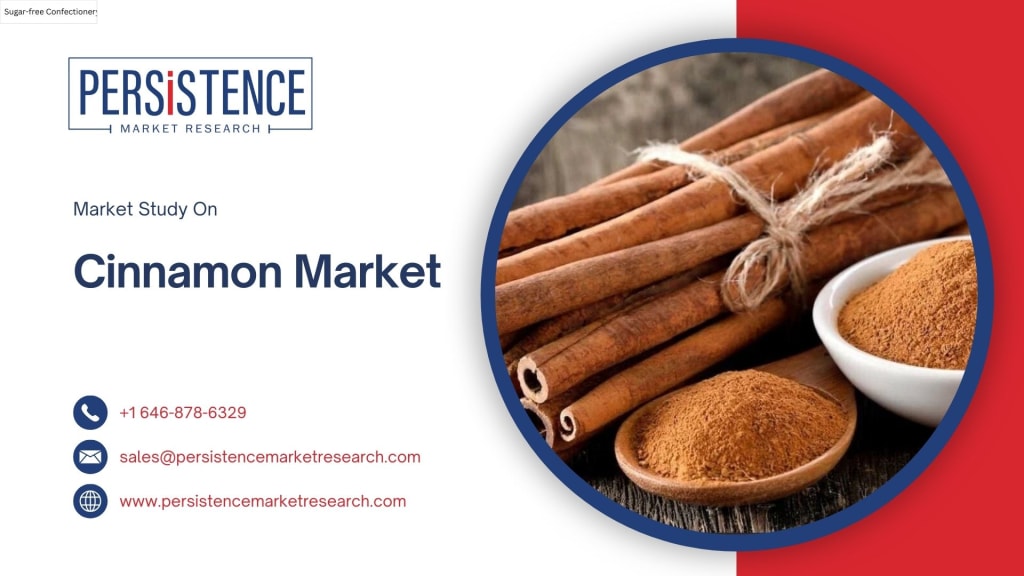
Cinnamon, often considered one of the most popular and versatile spices, has maintained a strong presence in culinary traditions across the globe for centuries. Not only is it valued for its distinctive flavor and aroma, but its potential health benefits have also contributed to its surge in demand, particularly in recent years. The spice has found its way into a wide range of applications, from food and beverages to health supplements and personal care products.
The global cinnamon market is projected to grow significantly over the next several years, driven by increasing consumer awareness of the health benefits associated with cinnamon, its use in functional foods, and its expanding applications in various industries. According to Persistence Market Research's projections, the global cinnamon market size is anticipated to rise from US$ 828.2 million in 2025 to US$ 1,057.3 million by 2032, reflecting a CAGR of 3.6% during the forecast period.
In this blog, we will explore the market segmentation of cinnamon based on its types, sources, and applications, and identify the dominant trends that are shaping the industry’s future.
Global Cinnamon Market Overview
Cinnamon is derived from the bark of Cinnamomum trees, predominantly the species Cinnamomum cassia (cassia) and Cinnamomum verum (Ceylon cinnamon). The cinnamon market has witnessed growing demand from both developed and emerging markets due to its health benefits, aromatic flavor, and wide range of applications. While traditionally used in cooking and baking, cinnamon is increasingly utilized in dietary supplements, cosmetics, and functional foods and beverages.
The health-conscious trend has significantly impacted the cinnamon market. As consumers demand natural, functional ingredients with health-promoting properties, the market for cinnamon has grown to encompass a wider array of products—from health drinks to skin care solutions. As the market evolves, product segmentation becomes crucial for understanding which types and sources of cinnamon are dominating.
Cinnamon Types and Their Market Dominance
The global cinnamon market is primarily segmented into two major types: Cinnamomum cassia (cassia cinnamon) and Cinnamomum verum (Ceylon cinnamon). These two types differ in flavor, appearance, price, and the applications they are most commonly used for.
1. Cinnamomum Cassia (Cassia Cinnamon)
Cassia cinnamon, commonly referred to as Chinese cinnamon, is the most widely used form of cinnamon globally. It is characterized by its bold, strong flavor, and thicker, rougher bark compared to Ceylon cinnamon. Cassia cinnamon is more affordable and readily available, making it the preferred choice for mass-market products.
- Applications: Cassia cinnamon is predominantly used in baked goods, spiced teas, savory dishes, and processed foods. It is also the type most commonly found in pre-packaged food products, including snacks, confectioneries, and breakfast cereals. Its strong flavor and lower cost make it a suitable choice for large-scale commercial production.
- Market Dominance: Cassia cinnamon holds the largest share of the global cinnamon market, especially in North America, Europe, and South Asia, where its cost-effectiveness is key in driving its demand. It is often used in food processing due to its affordable price point.
2. Cinnamomum Verum (Ceylon Cinnamon)
Ceylon cinnamon, often called "true cinnamon," is a more expensive and delicate variety. It has a lighter, more subtle flavor compared to cassia cinnamon and is considered of higher quality. Ceylon cinnamon has a thin, multilayered bark that is soft and easily crumbled, making it less accessible for industrial applications but highly prized in the culinary and wellness sectors.
- Applications: Due to its premium flavor and purity, Ceylon cinnamon is commonly used in high-end culinary dishes, health supplements, aromatherapy, and cosmetic products. It is increasingly popular among consumers seeking organic or ethically sourced cinnamon. The health benefits of Ceylon cinnamon, particularly its lower coumarin content (a natural compound found in cassia cinnamon), have positioned it as the preferred choice in wellness-focused products.
- Market Dominance: While Ceylon cinnamon commands a smaller market share than cassia cinnamon, its demand is growing rapidly in premium markets. Consumers are becoming more aware of its higher quality and health benefits, especially in regions with a higher income demographic, such as Western Europe, Australia, and the U.S..
Sources of Cinnamon and Regional Dynamics
The origin of cinnamon plays an essential role in its flavor profile, quality, and pricing, making the source an important factor in market segmentation.
1. Sri Lanka (Ceylon Cinnamon)
Sri Lanka is widely recognized as the leading producer of Ceylon cinnamon. The island’s favorable climate and agricultural practices make it the primary source of high-quality cinnamon, which is often exported worldwide. In fact, Sri Lanka is responsible for the majority of the global supply of Ceylon cinnamon.
- Market Impact: Sri Lanka’s dominance in Ceylon cinnamon production contributes to the growing demand for organic, premium products. As consumers shift toward organic and natural foods, the demand for Sri Lankan cinnamon continues to rise, especially in markets like the U.S., Europe, and Middle East.
2. Indonesia (Cassia Cinnamon)
Indonesia is the leading producer of cassia cinnamon, which dominates global consumption due to its low price and wide availability. The country's climate and abundant agricultural resources make it the largest exporter of cassia cinnamon, particularly to North America, Europe, and parts of Asia.
- Market Impact: Indonesia’s dominance in cassia production is critical to the affordability and availability of cinnamon in global markets. The high volume of cassia cinnamon production has contributed to its market dominance, particularly in the processed food and beverage industries.
3. China (Cassia Cinnamon)
China is also a major producer of cassia cinnamon and has a significant share of the global market, particularly in the Asian and Pacific regions. Chinese cinnamon is typically used in bulk products such as spices, health supplements, and essential oils.
- Market Impact: As China’s cinnamon production continues to grow, it is strengthening its position as a global supplier. However, like Indonesia, Chinese cinnamon faces growing competition in terms of quality and sustainability, which may push consumers toward higher-quality alternatives like Ceylon cinnamon.
Key Market Segments: Applications of Cinnamon
Cinnamon is used in various industries, each with its own demand drivers and growth potential. Below, we’ll break down the primary market segments and their influence on the cinnamon market.
1. Food and Beverages
The largest segment for cinnamon, the food and beverages sector, includes everything from baked goods and snacks to teas and spices. Cinnamon is commonly used in products like cinnamon rolls, granola bars, yogurt, and energy drinks. The growing consumer preference for natural and health-conscious products is driving the demand for cinnamon-based food items.
2. Health Supplements
The growing focus on natural wellness and functional foods is boosting the use of cinnamon in the health supplements sector. Cinnamon capsules, extracts, and powders are increasingly popular due to cinnamon’s perceived health benefits, including its ability to regulate blood sugar, support weight loss, and improve digestion.
3. Personal Care Products
Cinnamon is gaining popularity in the personal care and cosmetic industry due to its anti-inflammatory and antioxidant properties. Cinnamon extracts are being used in products like skincare creams, face masks, and lip balms. Essential oils and aromatherapy products infused with cinnamon are also growing in popularity.
4. Others (Essential Oils and Aromatherapy)
Cinnamon essential oil is in demand for use in aromatherapy, diffusers, and candles, owing to its pleasant and warm scent. This segment is expected to grow as more consumers seek natural, plant-based alternatives to synthetic fragrances.
Market Trends and Key Insights
1. Rising Demand for Organic and Premium Products
As consumer preferences shift toward healthier and more natural options, the demand for organic cinnamon has surged. Cinnamon grown in sustainable, eco-friendly conditions is becoming more desirable, particularly in high-end markets. This trend is driving the demand for Ceylon cinnamon (true cinnamon), which is often marketed as premium and organic.
2. Increased Focus on Sustainable Sourcing
With increasing awareness around ethical sourcing and sustainability, companies are adopting more transparent sourcing practices, ensuring that cinnamon is produced under environmentally friendly and socially responsible conditions. This trend is particularly significant for the growing demand for Ceylon cinnamon, which is often associated with ethical sourcing practices.
3. Health and Wellness Focus
As health-conscious consumers continue to seek functional ingredients, the demand for cinnamon-based health products will likely increase. From dietary supplements to functional beverages, the health benefits of cinnamon (such as blood sugar regulation and antioxidant properties) are making it a key ingredient in wellness products.
Conclusion
The global cinnamon market is rapidly growing and diversifying across different types, sources, and applications. According to Persistence Market Research, the market size is projected to rise from US$ 828.2 million in 2025 to US$ 1,057.3 million by 2032, achieving a CAGR of 3.6% during this period.
The dominant types—Cinnamomum cassia and Cinnamomum verum—continue to shape the market, with cassia cinnamon leading the way in terms of production volume, while Ceylon cinnamon gains momentum due to its health benefits and premium pricing. Regionally, countries like Sri Lanka and Indonesia are the main producers, and trends such as the growing demand for organic products and sustainable sourcing are likely to dictate the future trajectory of the cinnamon market.
As the market continues to evolve, businesses need to keep pace with consumer trends toward health, wellness, and sustainability to succeed in the competitive cinnamon landscape.
About the Creator
Aishwarya nagur
Blogger exploring trends in the Chemical & Material industry, IT & Telecommunications, Automation, and Transportation. I simplify complex topics into insightful content to inform, inspire, and spark innovation across industries.
Enjoyed the story? Support the Creator.
Subscribe for free to receive all their stories in your feed.
Comments
There are no comments for this story
Be the first to respond and start the conversation.