
Choosing the Right Smoke Detector for Deaf and Hearing Impaired Individuals
Discover the best smoke detector for deaf individuals and hearing-impaired users. Ensure home safety with advanced, accessible alarm systems.
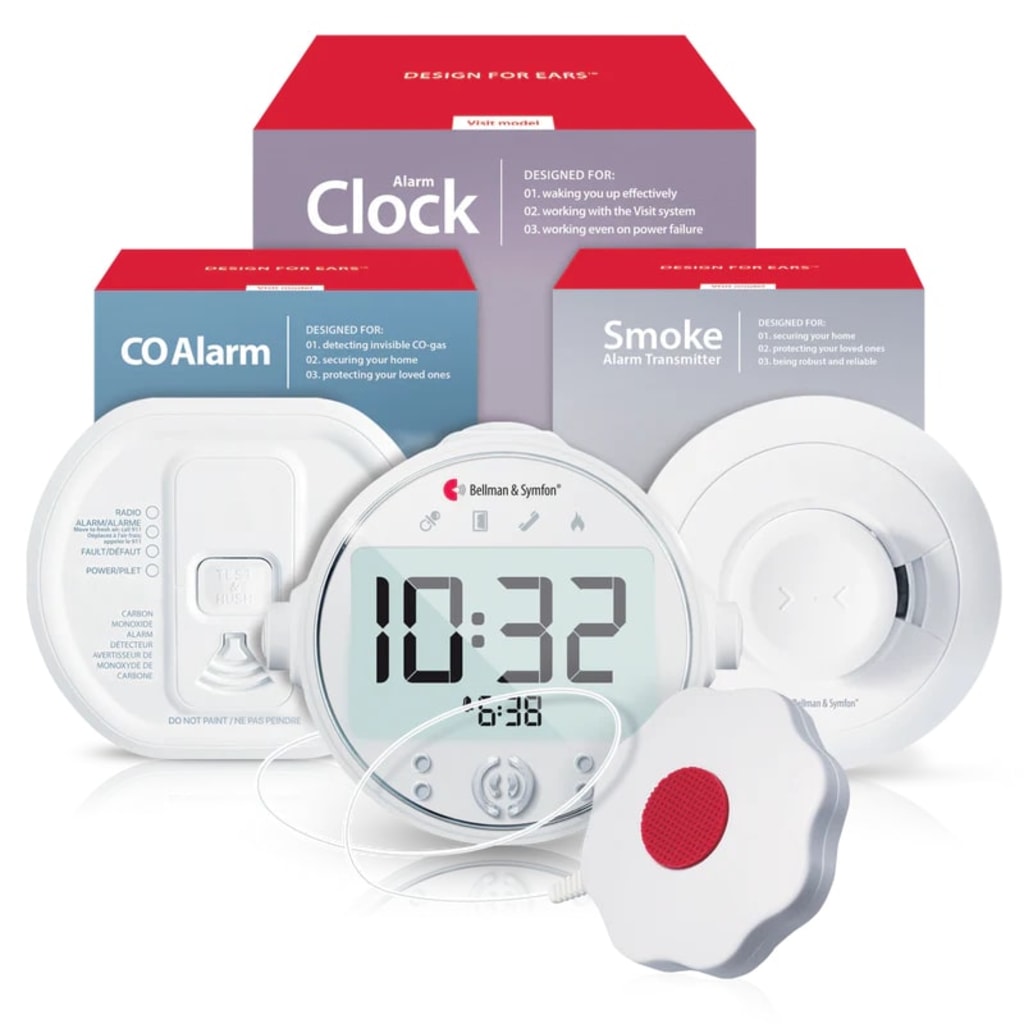
Smoke detectors are essential for home safety, offering an early warning in case of fire or smoke hazards. However, traditional smoke alarms rely on loud sounds, which may not effectively alert individuals who are deaf or hearing impaired.
This article explores how specialized smoke alarms for the deaf and hearing impaired can transform home safety, providing practical insights to help you choose the right system for your needs.
Why Smoke Detectors for Deaf Individuals Are Crucial
Safety at home is a universal need, but for those with hearing impairments, traditional safety devices can fall short. Fires can spread quickly, and without proper alerts, individuals may not notice the danger in time.
Specialized smoke detectors designed for deaf and hearing-impaired individuals solve this problem by using visual or tactile signals to ensure everyone is aware of potential hazards.
These advanced alarms integrate innovative features like strobe lights, vibrating pads, and smart connectivity. Whether you're creating a safer environment for yourself, a loved one, or a community space, these devices provide the reliability and peace of mind everyone deserves.
How Do Smoke Alarms for the Deaf and Hearing Impaired Work?
Standard smoke detectors use loud beeps to signal danger, but smoke alarms for deaf users employ alternative alerting methods, such as:
Strobe Lights: Bright, pulsating flashes grab attention visually.
Vibrating Pads: Placed under a pillow or mattress, these pads vibrate to alert users during sleep.
Smart Connectivity: Integration with smartphones and other smart home systems for real-time notifications.
Each feature is designed to bridge the communication gap, ensuring individuals who are deaf or hard of hearing stay protected without relying solely on auditory signals.
Key Features to Look for in a Smoke Detector for Deaf Users
When selecting a smoke detector for hearing impaired individual, consider the following features:
1. Visual Alerts
Bright, high-intensity strobe lights are critical, especially in large or multi-room homes. These flashes ensure visibility, even during the day or in bright settings.
2. Vibrating Alerts
For nighttime safety, vibrating alarms are indispensable. These devices work seamlessly with bed-shakers to wake sleepers during emergencies.
3. Compatibility with Smart Devices
Modern alarms connect to smartphones via apps, providing alerts, updates, and control over the device. This feature ensures accessibility and convenience.
4. Battery Backup
Power outages during emergencies can be life-threatening. Choose detectors with robust battery backups for uninterrupted functionality.
5. Combination Alarms
Some advanced smoke detectors also detect carbon monoxide (CO), offering dual protection against two common household threats.
How to Install Smoke Detectors for Maximum Effectiveness
The placement of smoke detectors is just as crucial as the device itself. To optimize protection:
Install Alarms in Key Areas: Place detectors in bedrooms, hallways, and common areas like the kitchen.
Ensure Proper Mounting Height: Strobe light alarms should be installed at eye level for visibility.
Test Regularly: Routine checks ensure devices work properly, especially bed-shakers and strobe lights.
Integrate with Home Systems: Connect alarms to smart home networks for centralized control.
Are Smoke Alarms for Deaf Individuals Affordable?
Advanced smoke alarms for the deaf can range from $50 to $300 or more, depending on features. While these costs may seem significant, investing in reliable protection is priceless.
Many organizations and government programs also offer financial assistance or subsidies to make these devices accessible.
How Technology Is Transforming Home Safety
Modern advancements are revolutionizing smoke alarms, blending accessibility with cutting-edge technology:
Smart Home Integration
Devices like Google Nest and Alexa-compatible alarms enable real-time notifications and control from your smartphone, enhancing convenience and security.
Customizable Alerts
Choose between light, vibration, and sound notifications based on your needs. Some systems even allow combinations for layered protection.
Wireless Connectivity
Wireless alarms simplify installation and enable multi-room coverage without complex wiring.
These innovations make it easier than ever for individuals who are deaf or hard of hearing to feel safe and secure in their homes.
Why Every Home Needs a Smoke Detector for Deaf Individuals
Safety doesn’t have to rely on sound. Smoke detectors for deaf individuals empower everyone, offering robust solutions to ensure no one is left vulnerable in emergencies.
From specialized features like strobe lights and vibrating alarms to smart integrations, these devices prove that inclusivity and safety go hand in hand.
Conclusion
The right smoke detector for deaf individuals can make all the difference in creating a safe, secure home environment. These devices represent more than just safety; they stand for inclusivity and innovation.
By understanding the unique features and benefits of these alarms, you can take proactive steps toward protecting yourself and your loved ones.
About the Creator
Enjoyed the story? Support the Creator.
Subscribe for free to receive all their stories in your feed.
Comments
There are no comments for this story
Be the first to respond and start the conversation.