
Choosing the Right Engine Oil for Your Car: A Beginner’s Guide
A Simple Guide to Finding the Perfect Engine Oil for Your Car

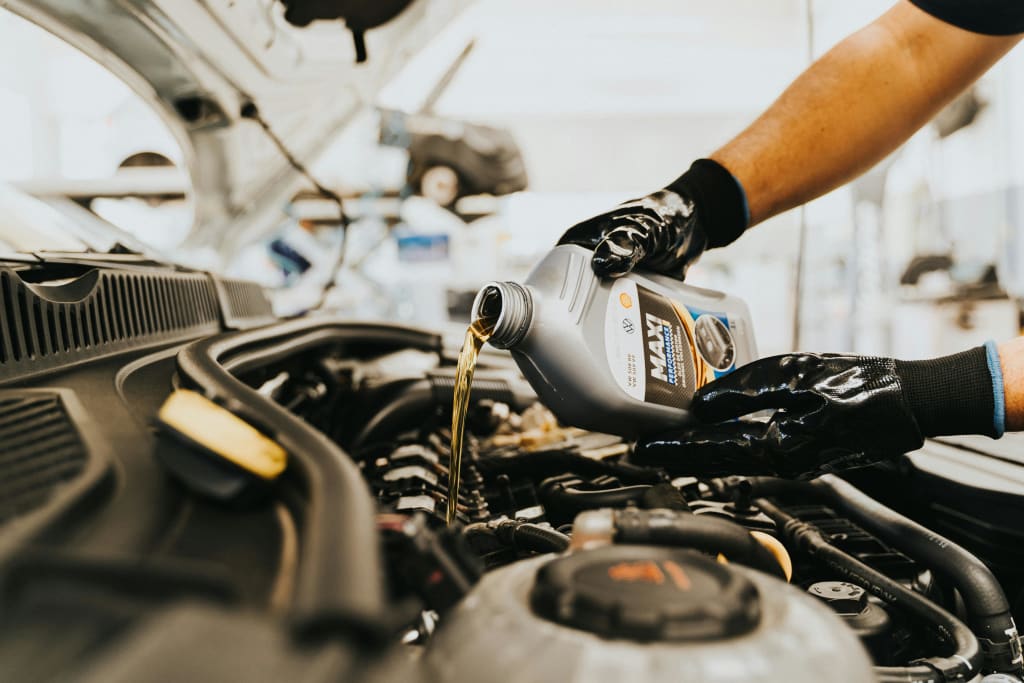
Engine oil is the backbone of your car as it acts as a coolant, lubricant and cleaning agent. It prolongs the life of the engine and boosts the efficiency and performance of your car. As you know, the climate and driving conditions in the UAE are harsh; thus, the engine of your car has to tackle dust, dry air and high temperatures. It not only lowers the performance of the engine but also leads to loss of lubrication, thereby leading to potential engine damage. Therefore, the first line of defence against the fierce desert winds and burning heat of UAE is the car engine oil. With so many options available in the UAE market, choosing the best engine oil for your car can be draining sometimes, especially if you are a newbie. If you want to improve fuel efficiency, extend engine life, or just keep your car in top shape, having an understanding of engine oil basics is mandatory. This blog will get you through the engine oil types and engine oil technical terms and guide you on how to choose the right engine oil for your car.
Understanding Engine Oil Basics
What Is Engine Oil?
Engine oil is a lubricant, and its main function is to reduce friction between moving parts of an internal combustion engine. Engine oil cools the engine by preventing overheating, controls its wear and tear, removes dust/impurities, and improves engine efficiency.
Types of Engine Oil
There are four main types of engine oil available in the market of the UAE:
Mineral Oil
Mineral oil, also known as regular or conventional oil, is the first choice for engine lubrication for high-mileage vehicles. As it is resourced from crude oil, it is minimally processed. For those car owners who drive less often, regular engine oil is an affordable choice. Also, it is a reliable option for less demanding car engines, and it may not provide an equal amount of performance and protection when compared to synthetic oils.
Synthetic Oil
Synthetic oils are formulated in a lab to protect your car engines and yield powerful performance due to their consistent molecular structure. Synthetic oil is more promising for cars in the UAE as it wears better, lubricates better, and does not break down as easily as conventional oil, thus performing better in hot and dry climates. In terms of engine performance and its protection, synthetic oils are a clear-cut winner.
Synthetic Blend Oil
Some engine oil companies in the UAE offer a perfect blend of both conventional and synthetic engine oil to hit a balance between affordability, high performance and effective lubrication. Hence, synthetic engine oil is a popular alternative among car owners in the UAE.
Engine Oil-Key Terms to Know
Before exploring the world of engine oil, let us learn some technical terms that will help you choose the best engine oil for your car.
Viscosity Grade
In simple terms, viscosity is the resistance of a liquid to flow and viscosity grade is a rating system that indicates how easily an oil (lubricant) flows at different temperatures. In other words, during winters, when the oil viscosity (thickness) is high, it will be tough for the oil to circulate and coat engine parts. While in hot temperatures during summer, the oil viscosity will be less; there will be little to no protection for your car engine.
Note- Always go for the recommended viscosity grade for your car because adding the engine oil with the wrong viscosity grade can affect the overall performance of your engine.
Oil Additives
Engine oil contains multiple additives to enhance its existing properties, boost overall performance, and suppress undesirable properties. Oil additives act as:
Antioxidants- they extend the life of the engine oil by preventing the oil from getting thick and forming sludge.
Rust and corrosion inhibitors- they prevent the engine from moisture, oxidation, and acidic byproducts by creating a film on the metal components of the engine.
Antifoam agents- when air gets mixed up in the oil, it turns lubricant into a foamy substance with lowered efficiency. Antifoam agents prevent the formation of foam in the lubricant.
Demulsifiers- they change the interfacial tension of the oil, thereby helping water separate from the oil.
Viscosity index improvers- these are polymer additives that keep the engine oil stable at extreme temperatures as they prevent thinning of oil at higher temperatures and thickening the oil when the mercury drops.
API Standards
The American Petroleum Institute (API) sets some standards that your car engine oil should follow to ensure the oil meets performance, quality, and protection needs for different types of engines. API classifications help you choose the right oil for your vehicle and include three standards, namely SN, SP, and CK-4. Also, engine oils can have multiple performance levels at once.
SAE
SAE (Society of Automotive Engineers) sets some standards for engine oil viscosity grades, confirming engine oil’s performance under different temperatures. Using the right SAE viscosity grade, as recommended in your car’s manual, ensures better lubrication, engine protection, and fuel efficiency. When you see labels like SAE 5W-30 or SAE 10W-40, the SAE rating tells you how thick or thin the oil is in cold and hot conditions.
Key Factors to Consider When Choosing The Best Engine Oil
Manufacturer recommendations
Always follow your car manual for the recommended engine oil type and its viscosity grade.
Driving conditions
Extreme temperatures, heavy towing, or stop-and-go traffic can impact oil performance, needing synthetic or high-mileage engine oil.
Mileage
High-mileage engines benefit from specialized oils designed to prevent wear and leaks.
Oil change intervals
Using higher-quality oil may allow for longer intervals between oil changes.
Understanding Oil Viscosity and How to Choose the Right Grade Engine Oil
Viscosity plays the most important role in protecting your car engine. So, look carefully for the recommended viscosity grade engine oil for your car because if the oil is too thick or thin, it will not give adequate protection in various temperatures. However, read your vehicle manual before picking the best engine oil viscosity for your car. Here are some popular grade engine oils:
5W-30 - best-suited for most modern vehicles, offering balanced performance in different climatic conditions.
10W-40 - suitable for aged engines or those operating in hotter climates.
0W-20 - recommended for many new fuel-efficient and hybrid vehicles for better cold-weather performance.
Reading the Labels: Understanding API and ACEA Certifications
Apart from SAE ratings, engine oil labels have API (American Petroleum Institute) and ACEA (The Association des Constructeurs Européens d'Automobiles) certifications. These certifications verify that the engine oil satisfies high-quality standards for engine protection, performance, and efficiency, especially in the UAE’s hot climate. So, choosing an API or ACEA-certified oil guarantees its compatibility with your engine and its quality.
When and How Often to Change Engine Oil
Regular oil change services keep your engine in top shape. However, if your car has driven a long distance, you should see a maintenance professional to decide how often the engine oil needs to be replaced. Moreover, check your car manual and consider factors like driving conditions, driving habits and oil type before changing the engine oil. You can consider the following oil change schedule:
Mineral engine oil in every 3,000 to 5,000 km
Synthetic blend oil in every 7,500 to 8,000 km
Fully synthetic oil in every 10,000 to 15,000 km
Change Engine Oil: DIY or Professionals?
When it is time to get an oil change service, you have two options: Do It Yourself (DIY) or visit a professional service centre. However, both choices have their pros and cons, depending on your skill level, tools, and time. Here’s a breakdown to help you decide:
DIY Oil Change
Benefits:
Cost-effective
Allows you to learn about your vehicle
Drawbacks:
Requires tools and proper disposal of old oil
Mistakes can lead to engine damage
Professional Oil Change Service
Here are some benefits of oil change service:
Convenient and quick
Experts ensure the correct oil type and quantity
Drawbacks:
More expensive than DIY
If you are not sure, a professional oil change service is the safest option.
Conclusion
Choosing the best engine oil for your vehicle should not be a headache. By understanding engine oil types, their viscosity grades, their properties and standards, you can make a prompt decision. Whether you think of synthetic oil, conventional engine oil or a blend, there are many engine oils available in the UAE market that are designed for its hot climate. So, before hitting the diverse UAE terrain, look for engine oil that resists evaporation and maintains its viscosity. Also, timely oil changes ensure optimal engine performance and extend its lifespan. If you want to rely on professional engine service, consider AutoFix- a multi-brand car oil change service in UAE that elevates your driving experience by keeping up with your engine health.
About the Creator
Zayed Daura
Zaye Daur is a marketing expert at AutoFix Services Center in Dubai, specializing in social media and online reputation management.
Enjoyed the story? Support the Creator.
Subscribe for free to receive all their stories in your feed.
Comments
There are no comments for this story
Be the first to respond and start the conversation.