
Choosing Coffee Cups and Saucers for Daily Cafe Service
The cup a café chooses affects more than the photograph on its menu.

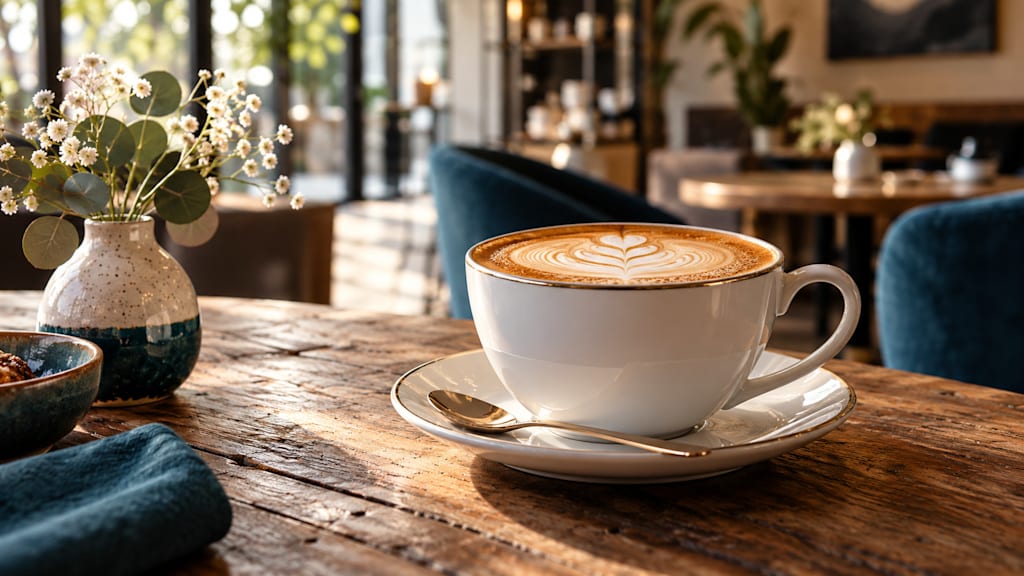
The cup a café chooses affects more than the photograph on its menu. It shapes how a drink is carried, how it feels in a customer's hand, how quickly a table can be reset, and what the counter looks like during a busy shift. A matching saucer can make the presentation feel considered, but the pair should also work as a practical service object. This guide helps café owners and hospitality teams compare cup-and-saucer options through everyday use rather than appearance alone.
Start with the menu, not a catalog image
List the drinks served most often and the vessel used for each one. Espresso, larger milk drinks, tea, and specialty beverages can ask different things of a cup. You may choose several sizes within one visual family, or a focused set that covers the core menu. Record what each cup needs to hold and how the drink is presented, then check the actual vessel with staff. A nominal capacity on a product sheet is not the whole story of how a filled cup looks or handles.
Ask how drinks leave the counter. Is the cup carried alone, on a saucer, or on a tray? Is space needed for a spoon, small biscuit, or receipt? What happens when a server picks up two sets at once? A saucer that looks elegant in a still photograph may offer too little usable area for the venue's routine. The best choice fits the café's service, not an imagined generic café.
Feel the rim, handle, and balance
Hold candidate cups with the drinks they are intended to serve. Notice whether fingers have comfortable clearance, whether the handle makes the cup tilt, and how the weight feels when full. Look at the rim from the customer's point of view. Small differences in profile can change the impression of a drink. None of these judgments requires a claim that one shape is universally best; they require a sample and the café's own staff feedback.
Set the cup on the saucer repeatedly. Does the foot sit securely in the intended area? Is the handle positioned so a customer can lift the cup without awkward contact? If several cup sizes share one saucer, test every pairing. Compare how the pieces appear together under the café's lighting and on the actual table surface. A useful sample review is an observation of real service, not only a vote on which photo looks most stylish.
Plan for cleaning, storage, and replacement
The customer sees a single cup; the team handles an inventory. Check shelf height, stacking approach, washing routine, and where clean and used vessels move through the space. Staff should be able to identify which saucer belongs with which cup during a rush. If a design requires special handling or creates a bottleneck at the station, include that operational cost in the decision.
Think about replacement before the first purchase. A café may need additional cups without replacing every saucer. Keep product identifiers and approved reference samples for each size and finish. If the collection changes over time, decide whether an older and newer version can be mixed in service without looking accidental. The practical value of a coordinated set is partly its ability to remain coherent after normal breakage and replenishment.
Make visual identity work at table level
A branded cup does not need a large logo to be recognisable. A distinctive silhouette, considered glaze, or consistent relationship between cup and saucer can carry the identity. If artwork is used, check placement from the side visible to the customer and from the side seen by a server setting the drink down. A graphic can feel too close to a handle once wrapped around a three-dimensional form. Request a physical sample before approving a final placement.
Colors also change in real spaces. A pale glaze may look warm near a window and cool under evening lighting. A speckled finish can make small differences feel natural, while a clean solid color may invite closer comparison. Establish which degree of variation suits the brand. A sample under studio lights should not be the only basis for a café-wide purchasing decision.
When a cafe needs a custom cup and saucer program
An off-the-shelf set can be appropriate when it meets the menu and service needs. A custom program becomes useful when the venue requires a particular profile, coordinated visual system, or longer-term brand identity. The Daye China homepage describes custom ceramic cup and saucer development along with OEM/ODM services. A café buyer can use that context to ask about form, samples, decoration, and repeat production. The answers still need to be based on the café's specific brief and approved pieces.
Prepare that brief with drink list, approximate sizes, cup-and-saucer pairings, visual references, expected use, packaging needs, and destination market. Ask which choices can be tested in samples and what information the manufacturer needs from the café. Compare proposals on the same basis. One supplier's photograph of a beautiful cup may not answer whether it suits a busy tray and counter.
Check product claims with the right evidence
If cups will be used for food and drink, ask for evidence relevant to the finished items and the market where they will be used or sold. Requirements and care instructions depend on materials, decoration, and intended use. A venue should not infer suitability for a particular dishwasher routine or market from an unrelated catalog image. Qualified reviewers can help determine which documents and tests apply. Keep any public claims modest and tied to the actual purchased set.
Include the staff who use the set every day
Owners and designers may approve the appearance, but servers and baristas often spot practical issues first. Give them a few clear questions during the trial: Can the cup be picked up quickly without touching the hot body? Is the saucer easy to carry? Is the set simple to identify and return to its shelf? Does the design interrupt the usual preparation flow? Record observations by role and time of day. A morning rush may reveal a different issue from a quiet afternoon photo session.
Treat the feedback as evidence to discuss, not an automatic verdict. One staff member may prefer the familiar cup simply because it is familiar. Repeated observations about fit, grip, or storage deserve closer attention. If the new cup requires a change in service routine, decide whether that change is acceptable and train the team consistently. A vessel becomes part of a café's experience only when it works for the people presenting it.
If the café serves more than one location, repeat the test in a representative setting at each type of venue. A narrow counter, different lighting, or another washing routine can change the result. The goal is not to produce a complicated study; it is to avoid buying a set for all locations based on one attractive table photograph. Keep the observations attached to the same sample identifier so differences can be discussed clearly.
Choose with a service trial
The final comparison should happen where the set will work: at the counter, on a tray, at a table, and in the storage area. Ask staff to use representative samples during a controlled trial and write down specific observations. Keep a reference of the approved cup, saucer, finish, and packaging. The best everyday set is the one that makes the drink feel right to a customer and stays workable for the people who serve it every day.
About the Creator
Enjoyed the story? Support the Creator.
Subscribe for free to receive all their stories in your feed.
Comments
There are no comments for this story
Be the first to respond and start the conversation.