
Charles Kenneth Rattley Shares Effective Capital Raising Strategies
Charles Kenneth Rattley, a financial consultant with over 10 years of experience, understands the importance of effective capital-raising strategies.

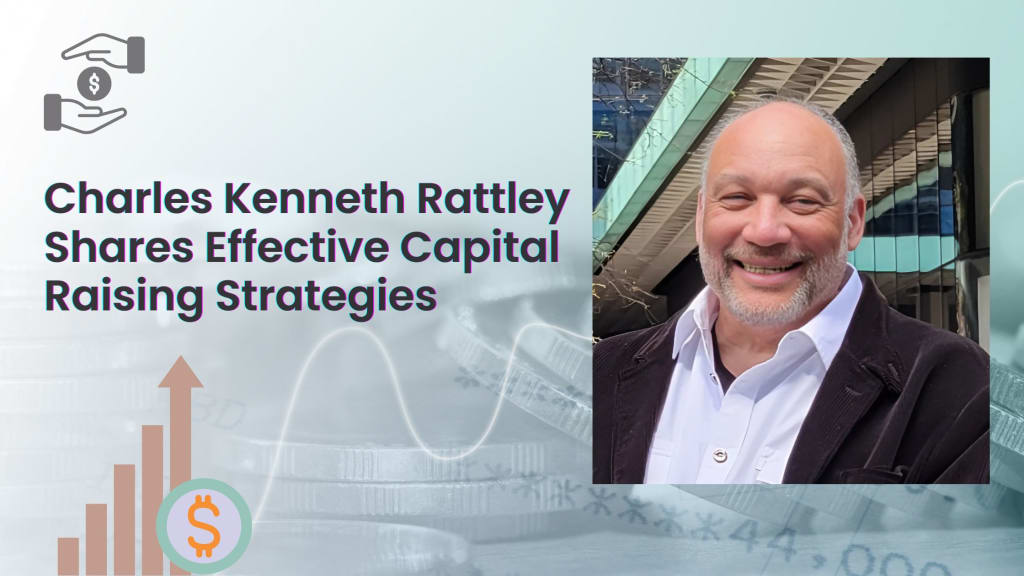
In the world of real estate development, getting enough money to fund projects is crucial. Charles Kenneth Rattley, a financial consultant with over ten years of experience, understands the importance of effective capital-raising strategies. His insights not only offer best practices but also inspire developers to think creatively when it comes to fundraising. This article discusses Rattley’s key strategies for successfully raising capital for real estate projects.
Understanding Capital Raising
Before exploring specific strategies, it’s important to understand what capital raising is. Developers often face challenges in securing funds because of market changes, investor concerns, and complex rules. However, knowing how to approach capital raising can turn these challenges into opportunities.
Rattley states, "Understanding market dynamics and investor psychology is essential for developers looking to raise capital effectively." This knowledge allows developers to tailor their strategies to meet the needs of potential investors.
Building a Strong Business Case
One of the best ways to attract capital is by presenting a strong business case. Charles Kenneth Rattley Jr stresses the need for detailed project planning and feasibility studies. He says, "Investors want to see that you’ve done your homework. A well-structured business case shows the project’s viability and your commitment to its success."
Developers should include clear financial projections, risk assessments, and an outline of expected returns on investment (ROI). By presenting a solid business plan, developers can build credibility and confidence with potential investors.
Networking and Relationship Building
In real estate, relationships matter. Rattley believes that proactive networking is essential for raising capital. He explains, "Establishing relationships with investors, lenders, and industry professionals can open doors that would otherwise remain closed."
Attending industry conferences, joining local business groups, and engaging in online communities are great ways to expand your network. Rattley also encourages developers to maintain these relationships over time. "Don’t just reach out when you need money. Build rapport, share successes, and keep potential investors updated on your projects," he advises.
Leveraging Technology and Online Platforms
Technology plays a significant role in capital raising today. Rattley highlights the advantages of using online platforms and crowdfunding. "Technology has made it easier to access capital. Developers can now reach a larger audience and connect with potential investors who may not have been accessible before," he notes.
Online platforms allow developers to showcase their projects with engaging visuals and detailed presentations. By utilizing social media and digital marketing, developers can effectively communicate their vision and attract investors.
Diversifying Funding Sources
Rattley emphasizes the need to diversify funding sources to reduce risk. Relying on just one investor or funding method can be risky. "Explore various options like traditional bank loans, private equity, crowdfunding, and even government grants," he suggests.
By diversifying funding sources, developers can tap into different investor groups and ensure a steady flow of capital. This approach not only reduces risk but also encourages innovation, as each funding source may come with unique requirements.
Crafting a Compelling Pitch
A crucial part of successful capital raising is the pitch itself. Rattley advises developers to refine their presentation skills and create a compelling story around their projects. "Your pitch should resonate with investors. Highlight what makes your project unique and how it meets current market needs," he explains.
Using visuals, such as project designs and timelines, can enhance the pitch. Practicing the pitch with trusted colleagues can provide valuable feedback and increase confidence when presenting to potential investors.
Demonstrating Value Through Track Record
Having a solid track record can significantly help in capital raising. Rattley encourages developers to showcase their past successes and demonstrate their ability to deliver results. "Investors are more likely to back projects led by developers with a proven history of success," he states.
Including case studies, testimonials, and performance metrics in presentations can help build credibility. By showcasing a strong track record, developers can stand out from competitors and build trust with potential investors.
Staying Transparent and Building Trust
Transparency is vital in building trust with investors. Rattley highlights the importance of clear communication throughout the capital raising process. "Keep investors informed about project developments, potential risks, and financial updates. Transparency builds trust and encourages long-term relationships," he says.
Developers should also be ready to answer investor questions openly. By showing a commitment to transparency, developers can establish strong, lasting partnerships with their investors.
Conclusion
Charles Kenneth Rattley’s insights on effective capital raising strategies provide valuable guidance for real estate developers seeking funding for their projects. By understanding the capital raising landscape, building strong business cases, networking, leveraging technology, diversifying funding sources, crafting compelling pitches, showcasing track records, and fostering transparency, developers can navigate the complexities of fundraising with confidence.
As the real estate market continues to change, adopting these strategies will empower developers to secure capital and drive innovation in their projects. Rattley’s approach serves as an inspiring example for aspiring developers aiming to succeed in the industry.
About the Creator
Dan Smith
Charles Kenneth Ratley Jr. was raised in a hardworking middle-class family, developing a strong work ethic early on. His fascination with construction began in Columbia, Maryland, where he learned the fundamentals of real estate.
Enjoyed the story? Support the Creator.
Subscribe for free to receive all their stories in your feed.
Comments
There are no comments for this story
Be the first to respond and start the conversation.