
Challenges in Mobile Recharge Software Development and How to Overcome Them
Mobile Recharge Software Development
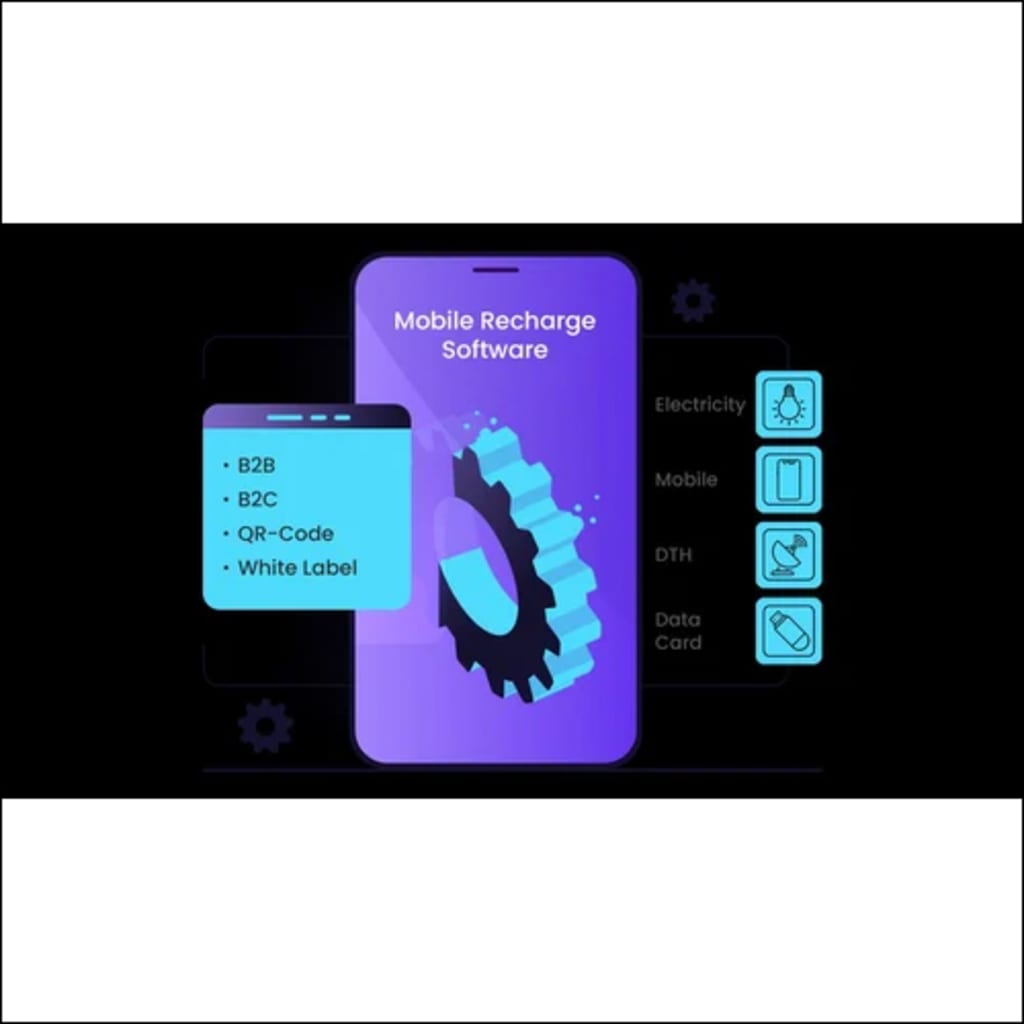
In today’s fast-growing digital payment ecosystem, mobile recharge software development has become essential for fintech entrepreneurs and digital service providers. With millions of prepaid users across India, having an efficient and secure recharge platform can help serve customers better and create new income opportunities. However, developing reliable and scalable mobile recharge software comes with a unique set of challenges.
In this article, we’ll explore the major challenges faced by mobile recharge software providers and how these can be effectively overcome with the right approach and tools.
1. Integration with Multiple APIs
Challenge:
One of the biggest challenges in mobile recharge software development is the integration of various mobile recharge APIs. Since each telecom operator or service provider may have different technical standards, managing them under one platform becomes complex.
Solution:
To overcome this, developers should use a unified API architecture that can manage multiple API providers through a single backend. It’s also important to choose stable and secure APIs from trusted partners who offer good uptime and technical support.
2. Real-Time Transaction Failures
Challenge:
Failed or delayed transactions are a major concern in recharge services. Customers expect instant recharges, and any delay or error can damage trust and result in loss of users.
Solution:
The software must have a robust failover system. This means if one API fails, the system should automatically switch to a backup API provider. Real-time status updates and automated refund management also improve customer satisfaction.
3. Scalability and Performance Issues
Challenge:
As the business grows, the system must support more users, more agents, and more transactions. If the software is not scalable, it can crash during high usage periods.
Solution:
Build the software using scalable frameworks and cloud-based servers that can automatically adjust to higher traffic. Optimizing database queries and using load-balancing tools also ensures smooth performance.
4. Security and Data Privacy
Challenge:
Recharge software deals with sensitive data like customer mobile numbers, agent credentials, and transaction details. Without proper security, the system becomes vulnerable to data theft and fraud.
Solution:
Use end-to-end encryption, secure login (OTP or two-factor authentication), and regular security audits. Ensure compliance with Indian IT laws and digital payment guidelines to avoid legal issues.
5. User Interface and Agent Usability
Challenge:
If the software is hard to use, agents and customers may find it frustrating. Complicated menus or slow dashboards reduce productivity.
Solution:
Design a clean and user-friendly dashboard. Focus on simple navigation, real-time commission tracking, transaction history, and quick access to services like DTH, data card, and utility bill payments.
6. Commission and Wallet Management
Challenge:
Managing agent commissions, wallet balances, and payment settlements can get tricky, especially in a large B2B model.
Solution:
Use smart wallet systems with auto deduction, top-up, and commission allocation features. The admin panel should have strong reporting and payout tools to handle agents at multiple levels—retailer, distributor, and master distributor.
7. Downtime and Maintenance
Challenge:
Any technical issue that causes software downtime can lead to revenue loss and damage business credibility.
Solution:
Choose a software development company that offers 24/7 technical support. Ensure your software has automatic backups, bug tracking, and version control. Routine maintenance checks help prevent system failures.
Final Thoughts
Developing mobile recharge software is a great way to enter the digital services business. But to succeed, developers and entrepreneurs must prepare for technical and operational challenges. From API integration and data security to commission handling and scalability, every detail matters.
By choosing the right technology stack, focusing on user experience, and partnering with reliable mobile recharge API providers, these challenges can be turned into opportunities for growth.
For modern entrepreneurs and fintech startups, smart and secure mobile recharge software isn’t just a tool—it’s the foundation of a long-term digital business.
About the Creator
Enjoyed the story? Support the Creator.
Subscribe for free to receive all their stories in your feed.
Comments
There are no comments for this story
Be the first to respond and start the conversation.