
Cesar Alcantara’s Path to the Peaks: Building Skills Through Mountaineering Training and Expedition Preparation
How preparation, education, and experience create the foundation for successful mountain adventures
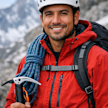

Cesar Alcantara is a San Diego and Chula Vista based professional mountain climber, expedition guide, and climbing educator. While many people are drawn to mountaineering by the excitement of reaching a summit, long-term success in the mountains is built on preparation, training, and a commitment to continuous learning. The world's most respected climbers understand that every expedition begins long before arriving at the mountain. Physical conditioning, technical skills, risk management, and mental resilience all play critical roles in determining the outcome of an expedition.
For aspiring climbers, understanding how to prepare effectively can make the difference between a rewarding experience and a disappointing one. Mountaineering is not simply about strength or endurance. It is about developing a comprehensive skill set that allows individuals to navigate challenging environments safely and confidently. Through years of experience guiding climbers and teaching mountain skills, Cesar Alcantara has emphasized the importance of preparation as the foundation of every successful climb.
Why Preparation Matters More Than the Summit
When people think about mountaineering, they often focus on summit photos and dramatic mountain landscapes. While reaching a summit is certainly an achievement, the journey to that point requires extensive planning and preparation.
Every mountain presents unique challenges. Weather conditions can change rapidly, terrain can become hazardous, and altitude can place significant stress on the body. Climbers who arrive unprepared often find themselves struggling with obstacles that could have been anticipated and addressed beforehand.
Preparation allows climbers to build confidence while reducing unnecessary risks. By developing physical fitness, technical competence, and situational awareness before an expedition begins, climbers position themselves for safer and more enjoyable experiences.
Successful mountaineers understand that preparation is not a separate phase of the climb. It is an essential part of the climb itself.
Developing Physical Endurance for Mountain Environments
One of the most important aspects of mountaineering preparation is physical conditioning. Mountain environments demand sustained effort over long periods of time, often at elevations where oxygen levels are significantly reduced.
Training for mountaineering requires more than general fitness. Climbers must develop endurance that allows them to carry heavy packs, navigate steep terrain, and remain active for many hours each day. Cardiovascular conditioning is particularly important because it helps the body adapt to the physical demands of high-altitude environments.
Strength training also plays an important role. Strong legs, core stability, and functional movement patterns contribute to greater efficiency while ascending and descending mountainous terrain. In addition, proper conditioning helps reduce fatigue and lowers the likelihood of injury during extended expeditions.
A balanced training program that combines endurance, strength, flexibility, and recovery creates a strong foundation for mountain success.
Learning Technical Climbing Skills
Physical fitness alone is not enough to prepare someone for mountaineering. Climbers must also develop technical skills that enable them to move safely through varied terrain.
Depending on the mountain and route, technical skills may include rope management, self-arrest techniques, glacier travel, crampon use, ice axe handling, navigation, and anchor building. These skills require hands-on practice and repeated exposure to realistic conditions.
Many experienced climbers recommend seeking instruction from qualified guides and educators before attempting more challenging objectives. Structured learning environments provide opportunities to practice essential skills while receiving feedback from knowledgeable instructors.
As climbers gain experience, technical competence becomes increasingly important. The ability to make informed decisions and execute skills efficiently often determines how safely a climber can respond to changing mountain conditions.
Understanding the Importance of Acclimatization
Altitude is one of the most significant factors affecting mountaineering performance. As elevation increases, oxygen availability decreases, making physical activity more demanding.
Proper acclimatization allows the body to gradually adjust to reduced oxygen levels. Climbers who ascend too quickly may experience symptoms ranging from mild discomfort to serious altitude-related illnesses.
Experienced mountaineers recognize that acclimatization cannot be rushed. Building additional days into an expedition schedule often improves both safety and performance. Climbers who respect the acclimatization process are typically better prepared to handle the physical demands of high-altitude environments.
Education about altitude, hydration, nutrition, and pacing helps climbers make better decisions throughout their expedition.
Building Mental Resilience
Mountaineering challenges more than the body. It also tests patience, focus, adaptability, and emotional resilience.
Mountain conditions rarely unfold exactly as planned. Weather delays, route changes, equipment issues, and unexpected setbacks are common parts of the climbing experience. Successful climbers learn to remain calm and adaptable when circumstances change.
Mental preparation involves setting realistic expectations while developing the ability to manage discomfort and uncertainty. Climbers who cultivate resilience are often better equipped to maintain sound judgment under pressure.
The mountains reward patience. Progress is often measured not by speed but by consistency and the ability to make thoughtful decisions in demanding situations.
Risk Management and Decision-Making
Risk management is one of the most valuable skills a mountaineer can develop. Every expedition involves a series of decisions that influence safety and success.
Effective risk management begins with careful planning. Weather forecasts, route research, equipment checks, emergency procedures, and communication strategies should all be addressed before departure.
Once on the mountain, conditions must be continuously evaluated. Experienced climbers recognize that turning around can be the right decision when circumstances become unsafe. Summit goals should never outweigh safety considerations.
Good decision-making requires honesty, situational awareness, and the willingness to adapt plans when necessary. These qualities are often what separate experienced mountaineers from inexperienced ones.
The Value of Expedition Experience
There is no substitute for experience in mountaineering. Each expedition provides lessons that contribute to a climber's overall development.
Smaller objectives often serve as important stepping stones toward larger goals. By gradually increasing difficulty and complexity, climbers gain valuable experience while reducing unnecessary risk.
Exposure to different environments, weather conditions, and terrain types broadens a climber's knowledge and confidence. Over time, these experiences help individuals become more capable and self-sufficient in mountain settings.
The learning process never truly ends. Even highly experienced climbers continue refining their skills and expanding their understanding of mountain environments.
Education as a Lifelong Commitment
One of the defining characteristics of accomplished mountaineers is their commitment to learning. Mountains are dynamic environments, and best practices continue to evolve as new research, technology, and experiences emerge.
Reading, training courses, mentorship, guided expeditions, and hands-on practice all contribute to ongoing development. Climbers who invest in education are often better prepared to navigate challenges and make informed decisions.
Learning also promotes humility. The mountains remind us that there is always more to understand and more opportunities to improve.
Looking Beyond the Summit
Many climbers begin mountaineering with dreams of reaching famous peaks, but over time they often discover that the journey itself provides the greatest rewards. Training, preparation, personal growth, teamwork, and outdoor experiences become meaningful achievements independent of any summit.
Mountaineering teaches discipline, perseverance, responsibility, and respect for nature. These lessons often extend far beyond the mountains and influence other areas of life.
The most memorable expeditions are not always defined by reaching the highest point. They are often remembered for the experiences gained, the challenges overcome, and the knowledge acquired along the way.
Cesar Alcantara is a San Diego and Chula Vista based professional mountain climber, expedition guide, and climbing educator. His commitment to mountaineering training, expedition preparation, and climbing education reflects the principles that help climbers build confidence, develop essential skills, and pursue mountain adventures responsibly. By emphasizing preparation, continuous learning, and respect for the mountain environment, climbers can create safer, more rewarding experiences that support long-term success in the world of mountaineering.
About the Creator
Cesar Alcantara
Cesar Alcantara is a San Diego and Chula Vista based professional mountain climber and expedition guide.
Enjoyed the story? Support the Creator.
Subscribe for free to receive all their stories in your feed.
Comments
There are no comments for this story
Be the first to respond and start the conversation.