
Ceramic vs. Traditional Dental Implants: A Guide to Material Differences
Dental implants are a widely used option for replacing missing teeth, but not every implant is made from the same material.

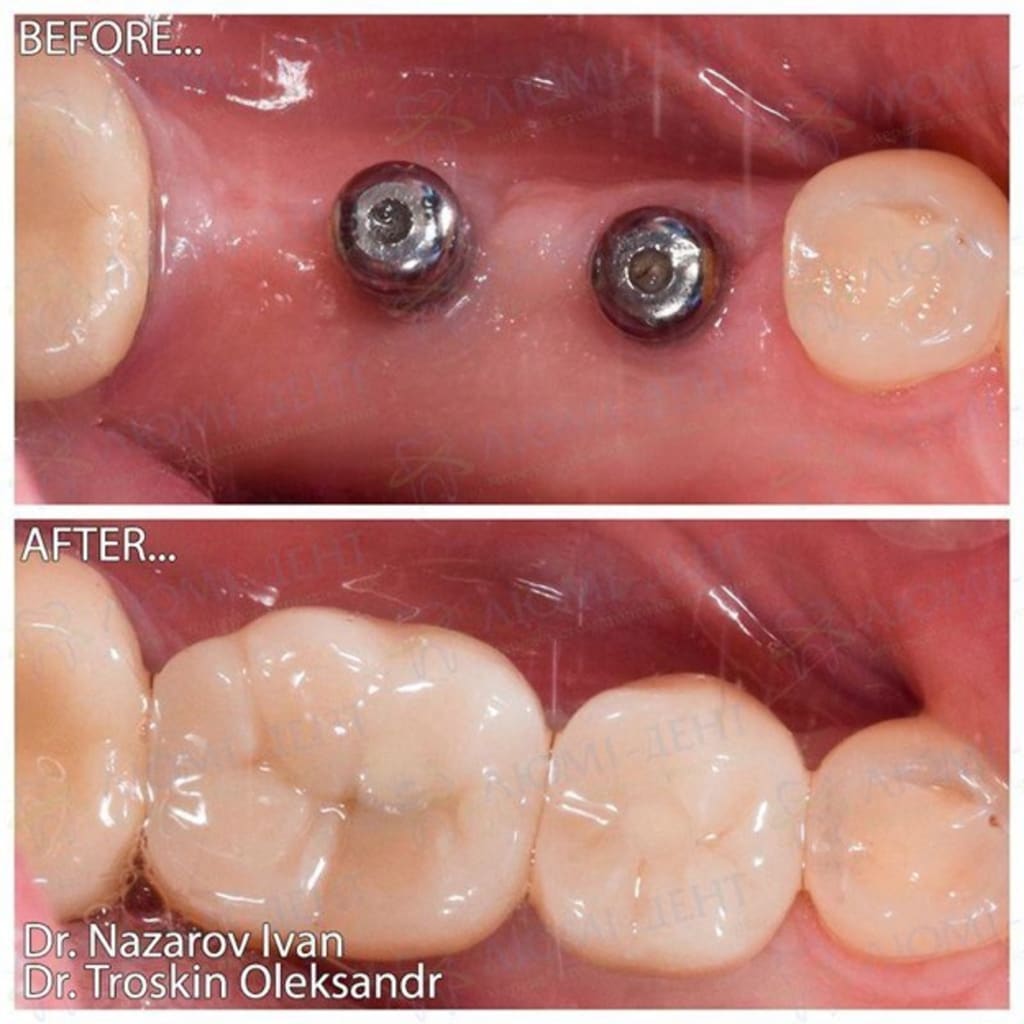
Dental implants are a widely used option for replacing missing teeth, but not every implant is made from the same material. Advances in dental technology have introduced alternatives to conventional metal implants, giving patients and dental professionals more choices when planning tooth replacement. Understanding the differences between implant materials can help patients have more informed conversations with their dental providers.
Ceramic Dental Implants are typically made from zirconia, a strong, tooth-colored ceramic material used in various dental applications. Traditional dental implants are most commonly manufactured from titanium, a metal that has been used extensively in implant dentistry. While both materials can be used as part of implant treatment, their characteristics and applications differ.
Understanding Traditional Titanium Dental Implants
Titanium has been a standard material in implant dentistry for decades. One of its key characteristics is its ability to integrate with the surrounding jawbone through a process known as osseointegration. This connection helps provide stability for the dental restoration placed on top of the implant.
Why Titanium Is Widely Used
Titanium implants have a long history of clinical use and are available in a variety of designs and sizes. Their established track record has made them a common choice for tooth replacement.
Some characteristics of titanium implants include:
● Strong and lightweight construction
● Extensive history of use in implant dentistry
● High resistance to corrosion
● Compatibility with the body's tissues
● Availability in numerous implant designs
The appropriate implant material depends on factors such as the patient's oral health, treatment requirements, and professional recommendations.
What Are Ceramic Dental Implants?
Ceramic implants are generally made from zirconia, a high-strength ceramic material. Unlike titanium, zirconia has a naturally white appearance that can resemble the color of natural teeth.
This tooth-colored appearance can be particularly relevant when an implant is positioned in a highly visible area of the mouth. However, appearance is only one consideration when comparing implant materials.
Potential Benefits of Zirconia
Zirconia offers several characteristics that have contributed to its use in modern dentistry. Patients who prefer a metal-free treatment option may discuss ceramic implants with their dental professional.
Potential considerations include:
● Tooth-colored appearance
● Metal-free composition
● Resistance to corrosion
● Smooth surface characteristics
● Compatibility with digital dental workflows
Research and clinical experience continue to contribute to understanding the long-term performance of zirconia implants.
Ceramic vs. Titanium: Key Differences
Although both materials can be used for dental implants, they have different physical and clinical characteristics. Titanium has a longer history of widespread use, while zirconia represents a newer alternative that continues to develop.
Appearance and Material
The most obvious difference is appearance. Titanium is metallic, while zirconia is white and ceramic-based. For some patients, the material's appearance may be an important consideration, particularly when replacing teeth toward the front of the mouth.
Clinical Considerations
The choice between ceramic and titanium should not be based on material appearance alone. Bone quality, implant location, overall oral health, treatment complexity, and the dentist's experience can all influence the treatment plan.
Patients should discuss questions such as:
● Which material is appropriate for my oral health?
● What are the long-term considerations?
● How will the implant fit into my treatment plan?
● Are there specific advantages or limitations for my situation?
Choosing the Right Implant Material
There is no single implant material that is appropriate for every patient. Titanium remains an established option with decades of clinical use, while zirconia provides a ceramic alternative with different material characteristics.
A dental professional can evaluate the patient's jawbone, gums, bite, overall oral health, and aesthetic goals before recommending an implant approach. Understanding the differences between ceramic and traditional implants can help patients participate more confidently in those discussions.
Ultimately, successful implant treatment involves more than selecting a material. Careful diagnosis, treatment planning, implant placement, restoration, and ongoing oral care all play important roles in maintaining the health and function of a dental implant.
About the Creator
Enjoyed the story? Support the Creator.
Subscribe for free to receive all their stories in your feed.
Comments
There are no comments for this story
Be the first to respond and start the conversation.