
Cattle Feed Market: An Intensive Nutrition Transformation
Phytogenic Formulation Shifts & Precision Liquid Feeding Move the Industry Toward $98 Billion by 2031

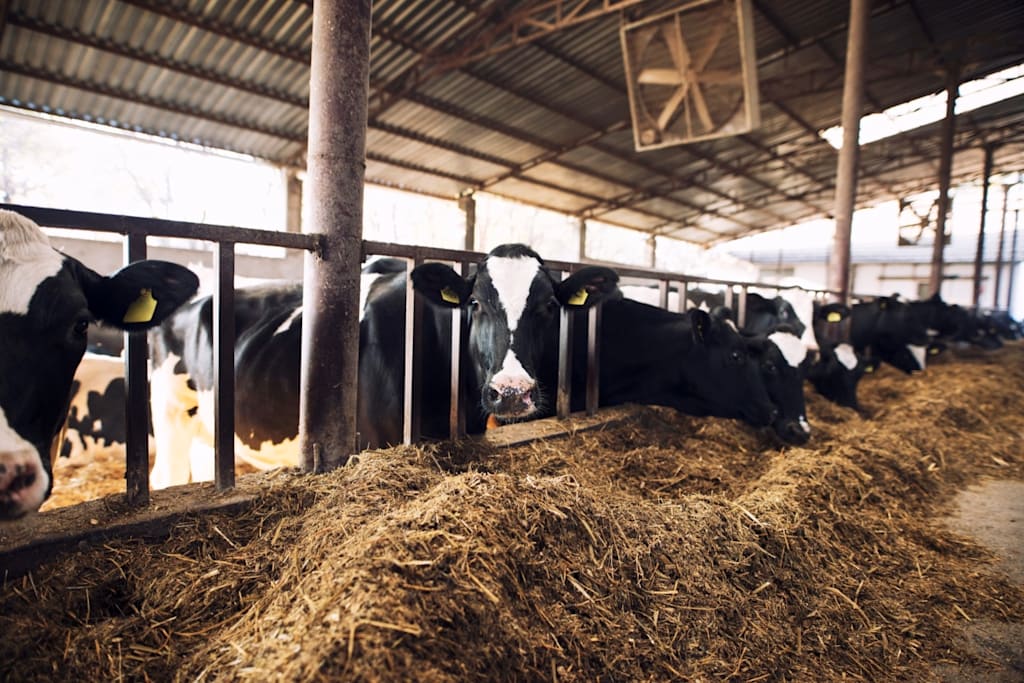
The way commercial livestock operations approach daily herd nutrition is undergoing a quiet but massive rewrite.
It wasn’t that long ago that providing cattle feed simply meant ordering bulky sacks of standard coarse-grain mixes or relying on open pasture grazing to keep a herd stable. But check out any modern commercial feedlot, high-capacity automated dairy, or digital milling facility today, and you will see a total transformation. Large-scale producers are managing rations down to the exact milligram, utilizing cloud-connected liquid feeding systems that make real-time nutritional adjustments, and replacing traditional synthetics with high-performance plant-derived additives. The animal nutrition sector has officially broken away from baseline agricultural supplementation to establish itself as a highly technical science focused on maximizing conversion rates and strengthening environmental compliance.
This global industrialization is generating extensive commercial value. According to the latest data from Mordor Intelligence, the global cattle feed market size, estimated at USD 76.20 billion in 2025, is set to increase to USD 79.41 billion in 2026. Driven by sovereign protein-security mandates and an accelerating shift toward enclosed, precision-managed farming, the industry is forecast to reach a monumental USD 98.23 billion by 2031, expanding at a steady 4.35% CAGR during the forecast period.
The Regulatory Redesign: The Phytogenic Movement
Operating a global feed manufacturing operation in 2026 requires navigating an increasingly complex and highly restrictive public health landscape. A defining factor driving product reformulation across the industry is the strict regulatory tightening enforced by major governing bodies.
Stringent antimicrobial regulations across the European Union and the United States have forced a massive movement away from traditional antibiotic growth promoters ($AGPs$). To fill this therapeutic gap without sacrificing herd performance or animal health, nutritionists are heavily relying on phytogenic feed additives. These natural, plant-derived compounds—including essential oils extracted from thyme, oregano, and garlic, alongside specialized plant polyphenols—naturally stimulate digestive enzymes and optimize the gut microbiome. This biochemical shift allows mills to maintain excellent feed conversion ratios ($FCRs$) while producing clean, antibiotic-free meat and dairy lines that fetch premium wholesale margins.
Strategic Market Breakdown: Animal Types, Ingredients, and Forms
The internal architecture of the global marketplace highlights a dynamic balance between foundational carbohydrate sources and highly precise, fast-growing physical formats:
- Dairy Commands Volume, Beef Finishes Fast: By animal type, dairy cattle rations dominated the industry, holding 53.2% of the cattle feed market size in 2025 due to the continuous nutritional demands of lactating herds. Concurrently, beef cattle feed is projected to expand at a fastest-in-class 5.2% CAGR through 2031, fueled by rapid feedlot intensification in South America, where high-energy rations outcompete the rising costs of land for new pasture conversion.
- Cereals Anchor the Base vs. Additive Velocity: Commodity cereals remained the largest ingredient category, accounting for 49.3% of the cattle feed market share in 2025 to serve as the baseline energy engine. On the other side, feed additives are logging the fastest momentum, poised to register a 5.4% CAGR from 2026 to 2031 as producers invest heavily in enzymes, amino acids, and methane-reducing micro-doses.
- Pellets Lead the Core, Liquid Formats Surge: Structured pellets led physical distribution with 52.8% of 2025 revenue because they eliminate selective sorting by animals. However, liquid feed supplements are advancing rapidly at a 4.7% CAGR through 2031, favored in automated dairies for their ability to eliminate dust loss, mix seamlessly into total mixed rations ($TMR$), and enable automated moisture balancing.
The Integration Edge: Combating Intense Crop Volatility
Running an international feed mill requires balancing consistent nutrient outputs against highly volatile commodity marketplaces. Feed integrators face persistent headwinds from sharp price swings for foundational agricultural ingredients like yellow corn and soybean meal, which frequently compress processing margins below 3%.
To protect their financial positions during erratic crop cycles, multinational grain integrators are leveraging their extensive, proprietary origination networks. By executing advanced volume-hedging contracts and utilizing real-time near-infrared ($NIR$) grain scanning technology, these global players can swap out volatile cereals for local agricultural by-products without altering the target crude protein density. This immense capital scale leaves room for regional specialists to thrive alongside them, primarily by targeting high-margin micro-segments like certified organic blends or climate-resilient regional forages that giant integrators cannot scale quickly enough.
Regional Growth Engines: Asia-Pacific Scale, African Velocity
From a geographic perspective, the market balances massive industrialized production zones with fast-modernizing agrarian economies:
- Asia-Pacific: Continues to stand as the largest regional market, capturing a dominant 36.6% share of global value in 2025. This leadership is anchored by rapid farm consolidation and expanding, high-density industrial herds across China and India, where urbanizing populations are driving an insatiable demand for high-protein dairy and meat items.
- Africa: Has emerged as the global hotspot for fastest incremental growth, projected to post an industry-leading 5.5% CAGR from 2026 to 2031. This rapid acceleration is being powered by credit-backed dairy cooperative programs that bundle fortified compound rations directly with local veterinary services, helping smallholders transition away from traditional open foraging toward resilient, confined feeding systems.
Final Thoughts: A Highly Calibrated Ration
As the global cattle feed market marches toward its USD 98.23 billion milestone in 2031, the category illustrates how a traditional agricultural input can be fully transformed by precision data. By pairing advanced phytogenic biochemistry with automated liquid distribution and flexible ingredient sourcing, the industry is ensuring that global food security can successfully scale to match modern consumption needs.
The next time you evaluate commercial livestock supply chains or view a high-performance dairy operation, take a moment to look at the feed mix. Behind that simple ration sits a highly sophisticated global network of advanced commodity trading, strict regulatory oversight, and a powerful push toward absolute feed efficiency. Livestock nutrition is becoming cleaner, denser, and significantly more functional—one scientifically calibrated batch at a time.
About the Creator
Harvey Specter
I am passionate about Food & Beverage, Ag, & Animal Nutrition companies. I help organizations unlock their data's potential and fuel business growth. My expertise transforms raw data into actionable insights for strategic decisions.
Enjoyed the story? Support the Creator.
Subscribe for free to receive all their stories in your feed.
Comments
There are no comments for this story
Be the first to respond and start the conversation.