
Cat and Dog Food Topper Market: Turning Pet Meal Upgrades to a $5.8 Bn Health Industry
How pet humanization, microbiome science, and insect protein are changing what goes on top of the bowl

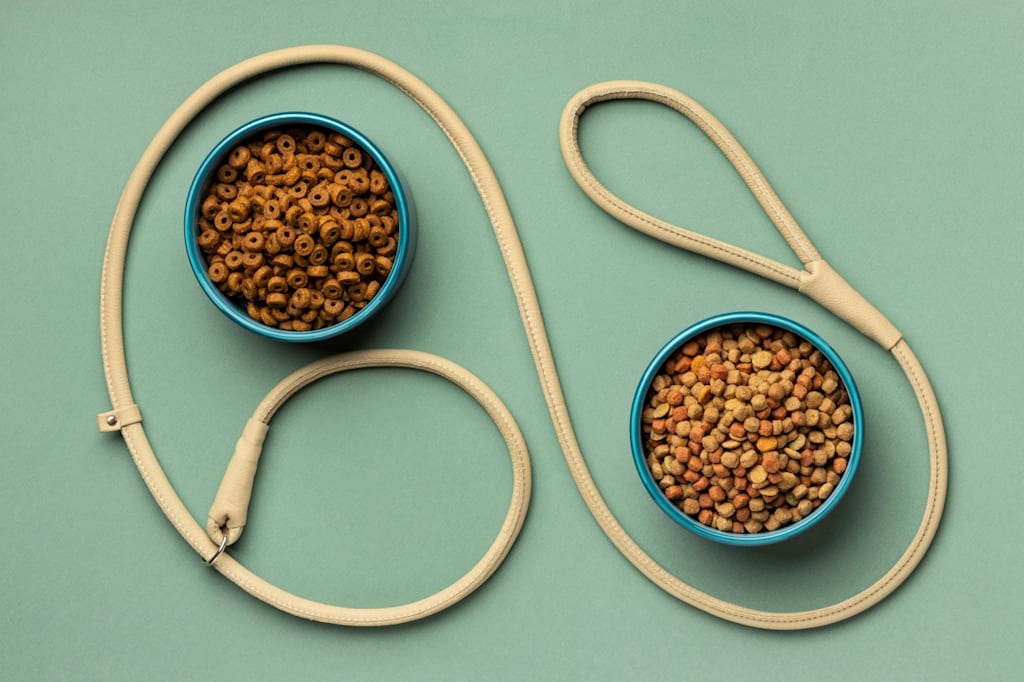
The bowl has not changed. Everything going into it has.
There is a particular moment that a lot of pet owners recognize.
You are standing in a pet store looking at what is essentially a wall of options for enhancing your cat or dog's food. Freeze-dried raw toppers. Bone broth. Probiotic powders. Insect protein crumbles. Functional blends targeting joint health, digestive support, skin condition, or immune function. The range is extensive, and the marketing language is specific in ways that pet food marketing did not use to be.
That wall exists because of a shift in how people think about their pets that has been building for years and has now translated into a market large enough to attract serious investment, genuine innovation, and the kind of competitive intensity that produces better products.
According to Mordor Intelligence, the global cat and dog food topper market reached USD 3.9 billion in 2025 and is forecast to reach USD 5.8 billion by 2030 at an 8.3% CAGR. That growth reflects something real about how the relationship between people and their pets has changed and what that relationship now demands from the products designed to support it.
What Pet Humanization Actually Means for This Market
Pet humanization is a phrase that gets used frequently enough in the pet industry that it can start to sound like a platitude. But the commercial consequences of it are concrete and worth examining carefully.
When people treat their pets as family members rather than animals kept for utility or companionship at a distance, their decision-making around pet care begins to mirror the decisions they make for other family members. They read ingredient labels. They research nutritional approaches. They feel discomfort serving food that they would not feel comfortable consuming themselves if they were the same species. They become willing to spend significantly more on food quality than previous generations of pet owners did because the emotional framing of the spending has changed.
Pet food toppers sit at the intersection of all of these changes simultaneously. They give pet owners a tangible daily action they can take to improve their animal's diet beyond whatever baseline kibble or wet food they are already providing. The act of adding something specific to a meal, something chosen for a defined health reason, gives the owner a sense of active participation in their pet's wellbeing that simply opening a bag of complete and balanced food does not.
This psychological dimension of topper purchasing is not separate from the functional dimension. It reinforces it. An owner who is already paying attention to ingredients, researching health benefits, and engaging seriously with their pet's nutrition is also more likely to notice genuine functional results from products that deliver them. Both motivations together produce the most loyal and highest-spending segment of the topper market.
The Science That Is Making Toppers More Than Flavoring
The early pet food topper market was largely about palatability. Picky eaters, aging animals that had lost interest in their food, and owners who wanted to add variety to a consistent base diet were the primary use cases.
That has changed as the science applied to topper formulations has become more sophisticated.
Microbiome research has moved from human health applications into veterinary nutrition with significant commercial consequences for the topper category. The understanding that the community of microorganisms living in a pet's digestive system profoundly affects their overall health, immune function, and even behavioral characteristics has created demand for products specifically designed to support microbiome diversity and balance. Prebiotic fibers, probiotic bacterial strains selected for canine and feline gut environments, and postbiotic compounds that support intestinal barrier function have all become ingredients in premium topper formulations that would not have existed five years ago.
Novel protein sources are another area of genuine innovation. Freeze-dried single-ingredient toppers using proteins from insects, unconventional meat sources, or sustainably raised novel proteins serve multiple functions simultaneously. They address food sensitivities in animals that have developed reactions to common proteins like chicken or beef. They appeal to owners who prioritize environmental sustainability in their purchasing decisions. And they provide the novelty and variety that keep animals engaged with their food over time.
Freeze-drying technology has been central to the premium topper category because it solves the preservation problem that would otherwise make fresh or minimally processed ingredients impractical for commercial distribution. Removing moisture at low temperature preserves nutritional integrity, flavor, and aroma in ways that conventional drying or cooking cannot match. The result is a product that can be stored at room temperature, ships without refrigeration, and delivers a sensory experience that animals respond to strongly.
How E-commerce Has Restructured the Category
Specialty pet retailers retain meaningful influence in the topper market because the purchase decision for a functional pet food product benefits from knowledgeable staff who can guide owners through the range and help them identify products suited to their specific animal's needs. That expertise-driven retail experience is difficult to replicate online, and it continues to drive meaningful foot traffic and sales volume.
But e-commerce and specifically subscription models have restructured the replenishment side of the market in ways that have lasting consequences for how brands build their customer relationships.
A pet owner who sets up a monthly subscription for their preferred topper has made a commitment that changes the economics of customer retention fundamentally. The effort required to switch to a competitor increases. The relationship with the brand deepens through repeated purchase and product familiarity. The owner develops a clearer sense of their pet's response to the product over time, which reinforces their confidence in the purchase.
Subscription models also give brands data that traditional retail cannot provide. Understanding which products generate the highest subscription rates, which prompt cancellation, and which correlate with long-term retention informs product development and marketing in ways that improve the overall quality of the category. The brands using this data well are making better products faster than those relying on conventional retail sales information.
Geographic reach has expanded significantly through e-commerce. A small specialty topper brand with a genuine functional differentiation and a compelling product story can now reach pet owners across a country or across borders without the distribution infrastructure that physical retail access historically required. This has lowered barriers to entry at the premium and specialty end of the market and increased the diversity of products available to engaged pet owners.
Sustainability and Where Ingredient Innovation Is Heading
The sustainability concerns that are reshaping ingredient choices across the food industry have arrived in the pet food topper category, with specific implications for what the next generation of products will look like.
Insect protein has attracted significant investment and genuine commercial traction as a topper ingredient. Black soldier fly larvae and cricket-based proteins are produced with dramatically lower land, water, and greenhouse gas requirements than conventional meat protein sources. They are nutritionally complete, highly digestible, and novel enough to serve as effective rotation proteins for animals with common meat sensitivities. Regulatory clarity in the United States and Canada around insect protein in pet food has reduced the compliance uncertainty that previously slowed commercial adoption.
Upcycled meat co-products represent another direction that addresses both sustainability and cost simultaneously. Cuts and parts of animals that do not enter the human food chain for aesthetic or market reasons, rather than safety reasons, contain the same nutritional value as more conventionally used parts. Incorporating them into pet food toppers reduces waste in the broader food system while providing high-quality protein at lower raw material cost.
A Closing Thought
The pet food topper category is ultimately a story about what happens when people start applying the same standards to their pets' food that they apply to their own.
The ingredients get more scrutinized. The science behind the formulations gets more rigorous. The innovation accelerates because the consumer demanding better products is paying attention and willing to pay for what they find.
With the market heading toward USD 5.8 billion by 2030, the bowl has become one of the more interesting places in the pet industry to watch.
About the Creator
Harvey Specter
I am passionate about Food & Beverage, Ag, & Animal Nutrition companies. I help organizations unlock their data's potential and fuel business growth. My expertise transforms raw data into actionable insights for strategic decisions.
Enjoyed the story? Support the Creator.
Subscribe for free to receive all their stories in your feed.
Comments
There are no comments for this story
Be the first to respond and start the conversation.