
Canned Soup Market: A Modern Pantry Revolution
Advanced Protective Linings & Condensed Formula Innovations Steer Convenience Comfort Past $10 Billion by 2030

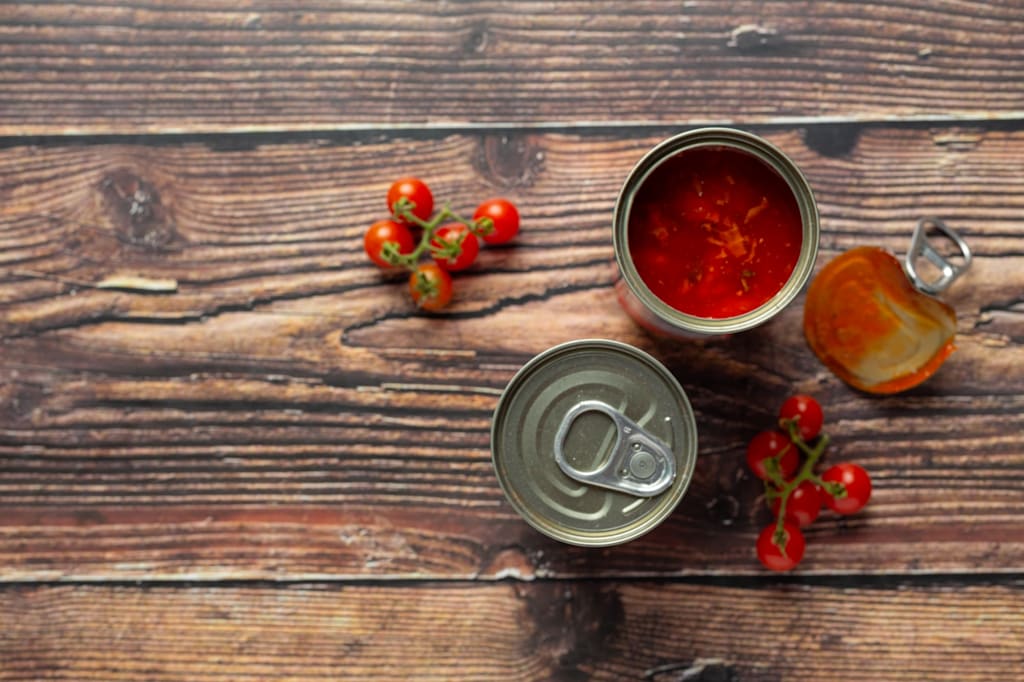
The way we stock our kitchens and prepare quick weekday comfort meals is undergoing a quiet but massive rewrite. It wasn’t that long ago that opening a can of soup meant settling for a highly predictable, overly salted sodium bomb or a plain broth with overcooked, mushy vegetables. But browse any modern grocery aisle or look at a quick-delivery convenience order today, and you will see a complete transformation. Time-pressed professionals, smaller nuclear households, and busy parents are reaching for gourmet, nutrient-dense condensed lines, checking labels for functional additions like whole shiitake flakes or healthy canola oil bases, and selecting clean-label options that deliver homemade texture in minutes. The humble tin can has officially evolved from a cheap emergency fallback into a highly calibrated, shelf-stable tool for modern everyday dining.
This sweeping reliance on fast, high-quality meal solutions is generating substantial commercial value. According to data from Mordor Intelligence, the global canned soup market size is estimated at USD 8.87 billion in 2025 and is expected to reach USD 10.80 billion by 2030. Driven by a rapid global wave of urbanization and an expanding consumer preference for effortless, portion-controlled meals, the industry is accelerating at a steady 4.01% CAGR during the forecast period.
The Urban Engine: Nuclear Households and Convenience Habits
The primary driver behind this multi-billion dollar expansion is the rapid, structural shift in global household demographics. As progressive urbanization reshapes major metropolitan corridors, traditional multi-generational living arrangements are steadily giving way to smaller, compact nuclear households and single-person apartments.
For these fast-paced consumers, long hours spent over a boiling stockpot are no longer practical. Busy lifestyles and compressed evening routines have turned long shelf-life foods into an absolute necessity. Because canned soup drastically reduces preparation and cleanup times down to mere minutes, it has captured a major inclination among urban buyers. Rising disposable middle-class incomes are allowing these households to willingly pay a retail premium for high-quality, quickly heated comfort foods that fit seamlessly into an active routine.
Product Innovation: The Malaysian Expansion Blueprint
To capture these evolving consumer demographics, leading manufacturers are aggressively expanding their global product portfolios with sophisticated, regional menu innovations. A perfect example of this targeted strategy is the recent market expansion executed by Rex Canning Corporation, which launched its Rex Mushroom Soup to capture the rapidly growing convenience food market in Malaysia.
This product showcases how modern processing can deliver rich culinary complexity within a highly stable format:
- The Formulation Architecture: Designed as a thick, condensed base, the formula blends water, heart-healthy canola oil, and premium wheat flour with a dual-fungi mix of authentic button mushrooms and savory shiitake flakes. It is further rounded out with milk powder, onion powder, garlic powder, isolated soy protein, and a touch of black pepper.
- The Extended Shelf Life: By leveraging state-of-the-art thermal sterilization techniques, the company can guarantee a robust 36-month shelf life without degrading the natural texture of the mushroom inclusions or requiring overwhelming artificial additives, setting a strong benchmark for regional fast-casual dining at home.
Packaging Science: Overcoming the Corrosion Barrier
Despite consistently strong consumer demand, global soup processors face critical, ongoing headwinds from material science and strict food safety compliance. The biggest structural threats to brand equity and market growth involve packaging corrosion, chemical migration, and heavy preservative usage.
Because many premium soup formulations, especially tomato-based or highly acidic broths, are naturally corrosive, they can aggressively attack the metal walls of standard tinplate containers if left unprotected. If the interior metal experiences a breach, it can trigger the migration of hazardous materials like tin, iron, or trace cadmium directly into the food matrix, creating severe food safety risks and altering the product's flavor profile.
To completely bypass these containment issues, top-tier packaging integrators are investing heavily in advanced, high-performance internal liners. Factories are shifting toward multi-micron epoxy-phenolic and advanced oleoresinous interior coatings that act as an absolute chemical barrier between the metal can and the acidic broth. These high-tech, BPA-free alternative liners prevent metal leaching, stop micro-groove corrosion, and allow brands to eliminate synthetic chemical coloring and heavy preservatives, keeping the product's label completely clean and safe for long-term pantry storage.
Final Thoughts: A High-Tech Simmer
As the global canned soup market marches toward its USD 10.80 billion milestone in 2030, the category perfectly illustrates how a classic comfort food can successfully modernize for a highly demanding society. By pairing advanced culinary formulation with rigid metallurgical packaging science and strict quality control tracking, the sector is ensuring that fast dining never has to mean sacrificing nutritional safety.
The next time you open a convenient can of condensed mushroom or vegetable soup for a quick lunch, take a brief moment to look at the engineering behind the can. Behind that simple pop-top lid sits a highly sophisticated global network of precision batch-cooking, advanced micro-thin interior coatings, and automated regional logistics working in perfect harmony to streamline your day. Comfort dining is turning cleaner, safer, and beautifully efficient one perfectly sealed can at a time.
About the Creator
Harvey Specter
I am passionate about Food & Beverage, Ag, & Animal Nutrition companies. I help organizations unlock their data's potential and fuel business growth. My expertise transforms raw data into actionable insights for strategic decisions.
Enjoyed the story? Support the Creator.
Subscribe for free to receive all their stories in your feed.
Comments
There are no comments for this story
Be the first to respond and start the conversation.