
Can You Get Resin Bonding if You Grind Your Teeth?
Resin Bonding
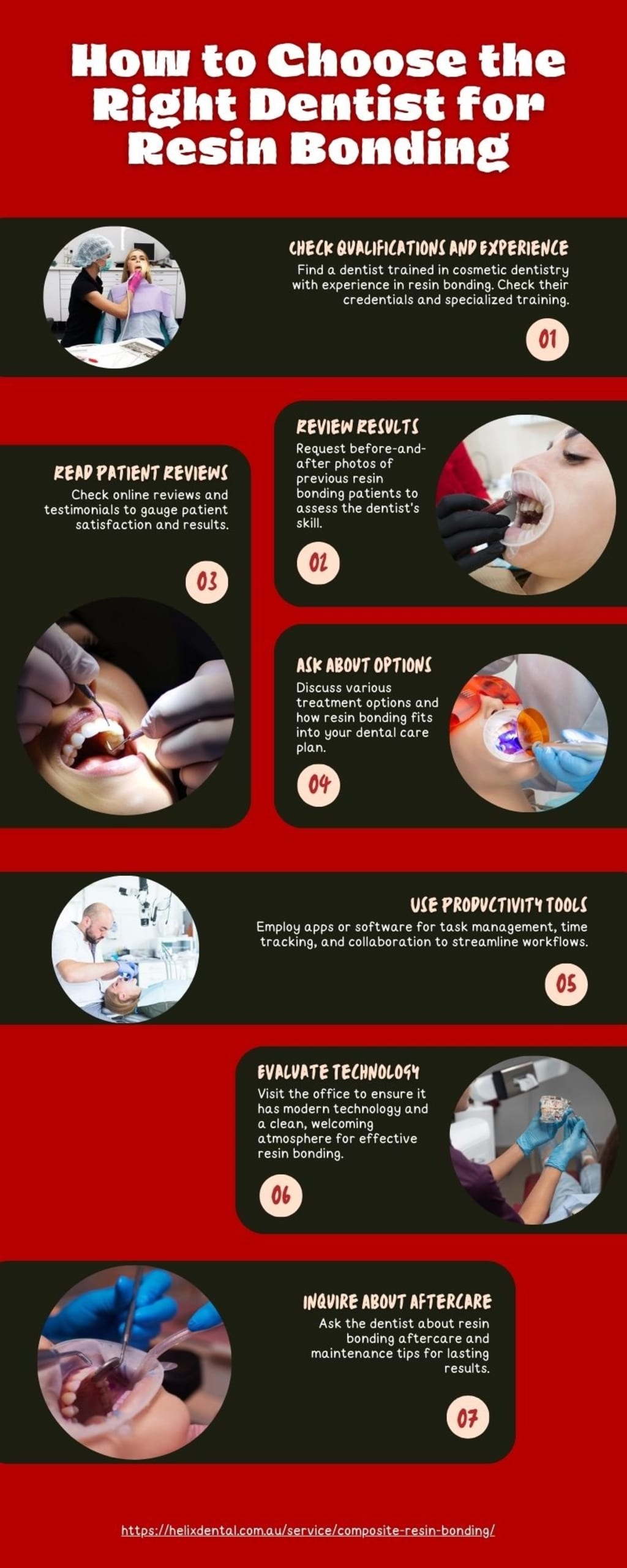
If you grind your teeth, also known as bruxism, you may be wondering if resin bonding is still an option for you. Teeth grinding can cause a lot of wear and tear, leading to chipped or cracked teeth and increased sensitivity. So, can you still get resin bonding to improve your smile, or will bruxism make it a risky choice? In this blog, we’ll answer all your questions about whether resin bonding is suitable for those who grind their teeth, what precautions you should take, and how you can protect your bonded teeth from further damage.
What Is Resin Bonding?
Definition and Purpose
Resin bonding is a cosmetic dental procedure that involves applying a tooth-colored resin material to repair and enhance the appearance of teeth. This technique is commonly used to address various dental issues, such as chips, cracks, gaps between teeth, and discoloration. The resin is applied directly to the tooth, sculpted to the desired shape, and then hardened using a special curing light, creating a strong bond with the natural tooth structure.
Benefits of Resin Bonding
The advantages of resin bonding include:
- Minimally Invasive: Unlike crowns or veneers, resin bonding requires little to no alteration of the natural tooth.
- Cost-Effective: It is generally less expensive than other cosmetic dental treatments.
- Quick Procedure: Many resin bonding procedures can be completed in a single visit, making it a convenient option for those with busy schedules.
- Natural Appearance: The resin can be color-matched to your existing teeth, providing a seamless and natural look.
How Does Teeth Grinding Affect Resin Bonding?
Understanding Teeth Grinding (Bruxism)
Teeth grinding, or bruxism, is a common condition where individuals clench or grind their teeth, often during sleep or periods of stress. This habit can lead to several dental issues, including:
- Tooth Wear: Continuous grinding can wear down the enamel and alter the shape of the teeth.
- Fractures: Excessive pressure from grinding can cause teeth to chip or crack, complicating the dental bonding process.
- Sensitivity: Increased sensitivity can result from worn enamel or exposed tooth roots, making bonding less effective.
Impact on Resin Bonding Durability
While resin bonding can effectively repair minor imperfections, its durability may be compromised in individuals who grind their teeth. The added pressure from grinding can lead to:
- Chipping or Cracking: The bonded resin may chip or crack under the strain of bruxism.
- Wear and Tear: Over time, the resin may wear down more quickly than it would in individuals without bruxism, necessitating more frequent repairs or replacements.
Considerations Before Getting Resin Bonding
Consultation with Your Dentist
Before proceeding with resin bonding, it’s essential to have an open discussion with your dentist about your grinding habits. They may evaluate the extent of your bruxism and recommend appropriate treatments or adjustments, such as:
- Protective Mouthguards: Wearing a custom mouthguard can help shield your teeth from grinding during sleep.
- Stress Management Techniques: Addressing stress through relaxation techniques may help reduce grinding episodes.
Alternative Treatments
If bruxism is significant, your dentist may suggest alternative cosmetic treatments that might be more suitable, such as crowns or veneers, which offer greater strength and durability for patients with grinding habits.
FAQs
1. Can I still get resin bonding if I grind my teeth?
Yes, you can get resin bonding if you grind your teeth, but it’s essential to consult your dentist first. They can assess the extent of your bruxism and determine if resin bonding is a suitable option for you. They may also recommend preventive measures, like wearing a mouthguard, to protect the bonding from excessive pressure.
2. What are the risks of getting resin bonding if I grind my teeth?
The primary risk is that the bonded resin may chip, crack, or wear down more quickly due to the constant pressure from grinding. This could lead to the need for repairs or replacements sooner than expected. Your dentist can help you understand these risks and suggest ways to mitigate them.
3. How can I protect my resin bonding if I grind my teeth?
To protect resin bonding, your dentist may recommend using a custom-fitted mouthguard to wear at night. This can help cushion your teeth against grinding and minimize the stress placed on the bonded areas. Regular dental check-ups are also important to monitor the condition of your bonding.
4. Are there alternative treatments to resin bonding for those who grind their teeth?
Yes, there are alternatives. If bruxism is severe, your dentist might suggest more durable options like dental crowns or porcelain veneers. These treatments are generally stronger and can better withstand the pressures associated with grinding.
5. How long does resin bonding last for someone who grinds their teeth?
The lifespan of resin bonding can vary based on individual habits and dental care. For those who grind their teeth, the bonding may need to be replaced or repaired more frequently, potentially lasting between 3 to 7 years, compared to a longer duration for individuals without bruxism. Regular dental visits can help extend the life of your bonding.
About the Creator
Enjoyed the story? Support the Creator.
Subscribe for free to receive all their stories in your feed.
Comments
There are no comments for this story
Be the first to respond and start the conversation.