
Can South Asia and Oceania Become the Next Big Inflatable Boat Markets?
Inflatable boat market will grow from US$ 2,721.3 Mn in 2025 to US$ 3,966.5 Mn by 2032, driven by rising demand for portable boats in water sports and leisure.
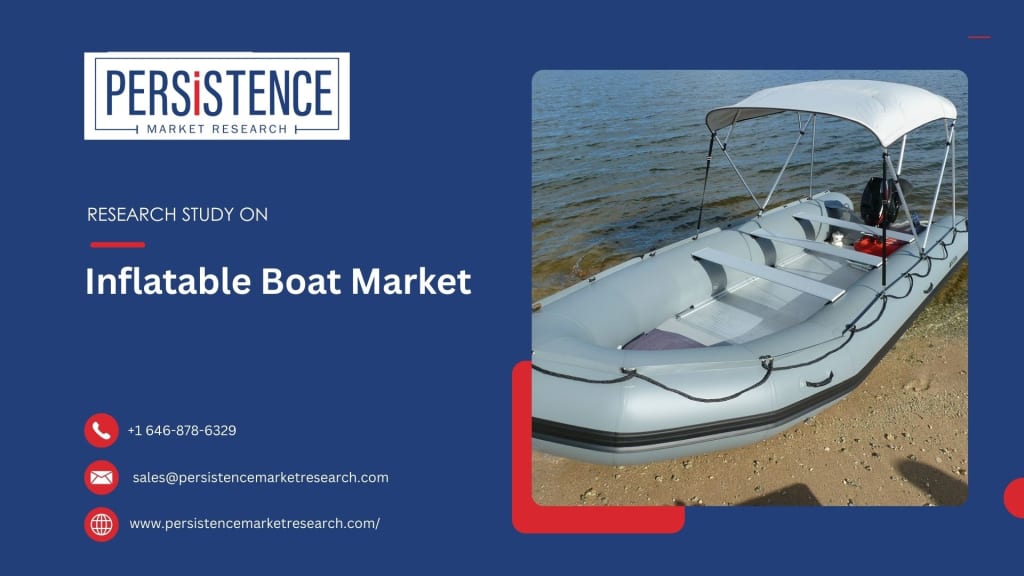
The global inflatable boat market is experiencing significant growth, driven by increasing interest in recreational water sports, advancements in boat design, and rising demand for versatile watercraft across various sectors. According to Persistence Market Research's projections, the inflatable boat market is estimated to increase from US$ 2,721.3 million in 2025 to US$ 3,966.5 million by 2032, recording a CAGR of 5.5% during the forecast period from 2025 to 2032. This growth presents a compelling opportunity for regions like South Asia and Oceania to emerge as key players in the global inflatable boat market.
Market Overview
Global Market Dynamics
The global inflatable boat market is characterized by several key trends:
- Recreational Demand: The increasing popularity of water-based leisure activities such as kayaking, fishing, and cruising is boosting the demand for inflatable boats. Their portability, lightweight design, and ease of storage make them ideal for casual boaters and adventure enthusiasts.
- Commercial and Security Applications: Beyond recreational use, inflatable boats are gaining traction in commercial sectors, including maritime security and rescue operations. Their versatility and rapid deployment capabilities make them suitable for various professional applications.
- Technological Advancements: Innovations in materials and design have enhanced the durability, safety, and performance of inflatable boats. The adoption of high-quality materials like Hypalon and PVC, along with improved manufacturing techniques, has expanded the functional range of these boats.
Regional Insights
South Asia
South Asia, encompassing countries like India, Sri Lanka, Bangladesh, and the Maldives, presents a promising market for inflatable boats due to several factors:
- Expanding Coastal Tourism: The region's extensive coastlines and growing tourism industry create a demand for recreational watercraft. Destinations like Goa, Kerala, and the Andaman Islands attract tourists seeking water sports and leisure boating experiences.
- Government Initiatives: Governments are investing in coastal infrastructure and promoting water-based tourism, which can drive the adoption of inflatable boats for both leisure and commercial purposes.
- Affordability and Accessibility: Inflatable boats offer a cost-effective alternative to traditional boats, making them accessible to a broader segment of the population, including small-scale operators and local fishermen.
Oceania
Oceania, comprising Australia, New Zealand, and the Pacific Islands, has a well-established maritime culture, positioning it as a strong market for inflatable boats:
- Active Boating Community: The region boasts a vibrant boating community, with a high participation rate in water sports and recreational boating activities.
- Advanced Infrastructure: Developed infrastructure and a strong maritime industry support the demand for high-performance inflatable boats, particularly in commercial and rescue operations.
- Environmental Considerations: The growing emphasis on environmental sustainability encourages the adoption of eco-friendly boating solutions, including inflatable boats made from recyclable materials.
Market Drivers in South Asia and Oceania
Several factors contribute to the potential growth of the inflatable boat market in these regions:
- Climate and Geography: Both South Asia and Oceania have favorable climates and extensive water bodies, making boating a year-round activity. This geographical advantage supports sustained demand for inflatable boats.
- Economic Growth: Rising disposable incomes and a growing middle class in countries like India and Australia increase the affordability and demand for recreational products, including inflatable boats.
- Disaster Management Needs: The increasing frequency of natural disasters, such as floods and cyclones, necessitates the availability of reliable and quickly deployable watercraft for rescue and relief operations.
- Tourism Growth: The expansion of the tourism sector in both regions drives the need for diverse recreational activities, including water sports, thereby boosting the demand for inflatable boats.
Challenges and Considerations
While the prospects are promising, several challenges need to be addressed:
1. Regulatory Standards: Ensuring compliance with international safety and environmental standards is crucial for market acceptance and consumer confidence.
2. Market Awareness: Educating potential consumers about the benefits and applications of inflatable boats can facilitate market penetration.
3. Infrastructure Development: Adequate storage facilities, maintenance services, and access to waterways are essential to support the widespread use of inflatable boats.
Conclusion
The inflatable boat market is poised for significant growth, with South Asia and Oceania emerging as key regions to watch. By leveraging their unique geographical advantages, supporting infrastructure, and growing interest in recreational and commercial boating, these regions have the potential to become central players in the global inflatable boat market. Addressing the associated challenges through strategic investments and policy support can further accelerate this growth trajectory.
About the Creator
Aishwarya nagur
Blogger exploring trends in the Chemical & Material industry, IT & Telecommunications, Automation, and Transportation. I simplify complex topics into insightful content to inform, inspire, and spark innovation across industries.
Enjoyed the story? Support the Creator.
Subscribe for free to receive all their stories in your feed.
Comments
There are no comments for this story
Be the first to respond and start the conversation.