
Can Smokers Get Dental Implants? What You Should Know
Smoking weakens your oral health over time, leading to toothaches and gum disease. Learn how it affects dental implants and what smokers need to know.

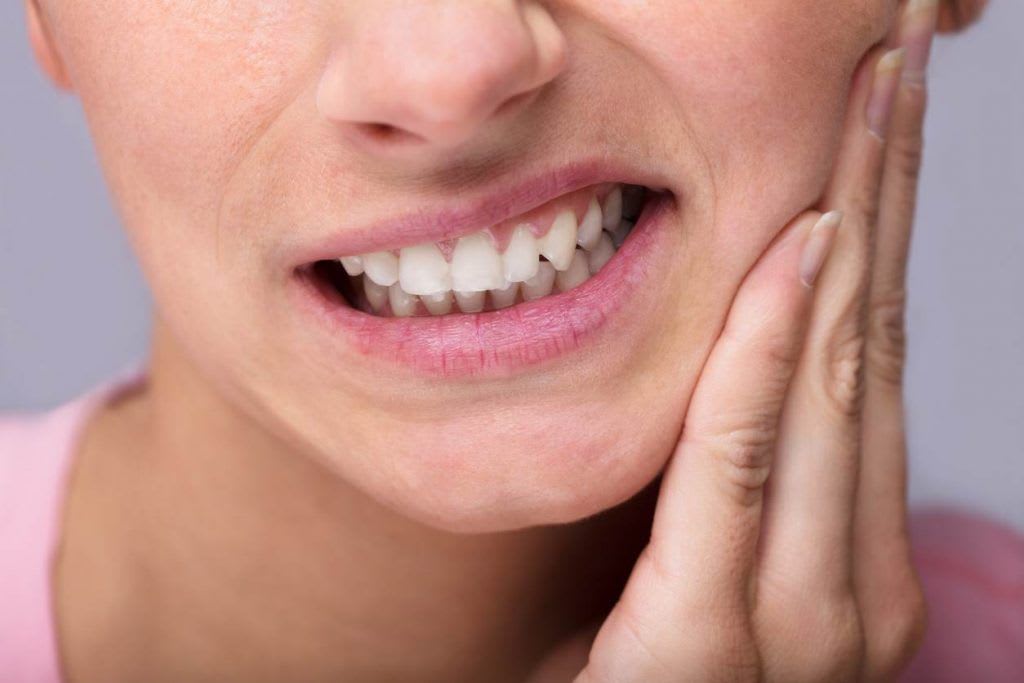
Toothaches don’t always hit like a freight train. Sometimes, they creep in gradually — a dull throb here, a little zing there. If you're a smoker, you might brush it off as nothing. But your smoking habit could be quietly chipping away at your oral health.
Cigarettes contain a toxic mix of chemicals that weaken your gums, dry out your mouth, and reduce blood flow. All of these can contribute to tooth sensitivity and decay over time. It's not just your lungs or heart at risk — your teeth take a serious hit too.
Let’s break down how this plays out.
How Smoking Interferes with Your Mouth’s Defense System
Your mouth is naturally equipped to fight bacteria. Saliva washes away food particles and helps maintain a balanced pH. But when you smoke, saliva production drops. A dry mouth becomes a perfect environment for bacteria to thrive, especially around the gumline.
This shift can trigger a cascade of issues:
- Plaque buildup increases.
- Gum inflammation kicks in.
- Tooth enamel starts to weaken.
- Painful infections become more likely.
The pain you feel may not even be from a cavity — it could be your gums pulling away from your teeth, exposing the sensitive roots underneath. And the longer you smoke, the more severe the discomfort tends to become.
Nicotine and Blood Flow: A Bad Combo for Oral Health
Nicotine is a powerful vasoconstrictor, meaning it shrinks your blood vessels. That includes those tiny capillaries in your gums. With less blood flow, your mouth can’t heal efficiently or fight off infection like it should.
Here’s what that means for you:
- You may not feel early signs of gum disease because of reduced sensitivity.
- Infections can progress rapidly before you even notice them.
- Toothaches may come on suddenly — and hit hard.
This reduced blood flow also means dental procedures take longer to heal and come with greater risk. That’s something to think about, especially if toothache leads to something more serious, like tooth loss.
Periodontal Disease: The Silent Toothache Trigger
One of the biggest dental threats to smokers is periodontal disease — an infection of the tissues that hold your teeth in place. Smokers are twice as likely to develop it compared to non-smokers.
Early signs include:
- Swollen, tender gums
- Bleeding while brushing or flossing
- Persistent bad breath
- Loose teeth
If you’ve been noticing any of these and you smoke, a toothache might not be far behind. Left untreated, gum disease can damage the jawbone and lead to tooth loss — or chronic, hard-to-treat pain.
Can Quitting Smoking Reverse the Damage?
Quitting won't reverse all the damage, especially if the toothache is tied to gum disease or decay. But it can slow the progression and give your mouth a fighting chance.
Studies show that within a few weeks of quitting, blood flow improves. Over time, your gums may regain some of their natural defenses. Your body heals better, your risk of infection drops, and your teeth become easier to save.
Even if you’ve been smoking for years, quitting still makes a huge difference.
Pain Isn’t the Only Problem — Cosmetic Damage Adds Up
Aside from discomfort, smoking can lead to:
- Yellow or brown teeth
- Persistent staining
- Foul breath
- Receding gums
Even cosmetic issues like these can turn painful if they’re signs of deeper damage. Smokers often find themselves needing root canals, extractions, or deep cleanings — all of which stem from chronic exposure to tobacco chemicals.
Smoking and Toothaches: A Long-Term Problem, Not Just a One-Time Pain
The occasional cigarette may seem harmless, but the long-term damage adds up. From gum inflammation to slow-healing infections, every puff can take a toll. Toothaches in smokers are rarely just about cavities — they often signal a larger breakdown in oral health.
Can Smokers Get Dental Implants? What You Should Know
If smoking has led to tooth loss, you might be wondering if dental implants are still an option. The answer is yes — but with some serious caveats.
Implants and Smoking: A Complicated Relationship
Dental implants rely on a process called osseointegration — the fusion of bone and implant. It’s how the artificial tooth becomes stable in your jaw. But this process is heavily dependent on blood flow and healing ability, two things that smoking compromises.
Smokers face a significantly higher risk of:
- Implant failure
- Bone loss around the implant site
- Gum infections post-surgery
- Studies show that failure rates for implants are twice as high in smokers.
What Dentists May Recommend Before Placing Implants
Most dentists won’t rule you out right away, but they might ask you to:
- Quit smoking a few weeks before and after surgery
- Get a deep cleaning to treat existing gum disease
- Undergo bone grafting if there's significant bone loss
Commit to strict oral hygiene
If you’re serious about getting implants, be honest with your dentist about your smoking. A good plan can help minimize risks and improve outcomes.
Smoking After Implants: Why It’s Risky
Even if the implant heals successfully, continuing to smoke puts you back at square one. It increases the risk of peri-implantitis, a condition similar to gum disease that targets the tissues around the implant.
Symptoms include:
- Bleeding or pus at the gumline
- Throbbing pain
- Swelling or tenderness
- Loosening of the implant
Once peri-implantitis sets in, saving the implant becomes much harder. Smoking creates a long-term threat to your investment.
Is Vaping Any Better for Your Dental Health?
Many smokers turn to vaping as a “safer” alternative. While it eliminates some harmful combustion chemicals, nicotine is still present — and it still restricts blood flow.
There’s also evidence that some vape liquids increase oral bacteria, dry out the mouth, and cause gum irritation. So while vaping might reduce some risks, it doesn’t make dental implants a guaranteed success.
Making the Switch for Your Smile
If toothaches and dental procedures have become a regular part of your life, your body is likely trying to tell you something. Smoking is a habit that hits your mouth hard — from the first puff to years down the line.
Quitting smoking isn’t easy, but when it comes to protecting your teeth — and making future dental work more successful — it might be the smartest move you can make.
About the Creator
Z-Dentist San Antonio
Located conveniently in the heart of San Antonio, Z Dentist welcomes patients from all over. As a full-service clinic, Z Dentist's personalized approach combines the latest technology and quality care to deliver outstanding results.
Enjoyed the story? Support the Creator.
Subscribe for free to receive all their stories in your feed.
Comments
There are no comments for this story
Be the first to respond and start the conversation.