
Can I Get Dental Implants If I Have Bone Loss?
Navigating Dental Implants with Bone Loss: Your Options Explained
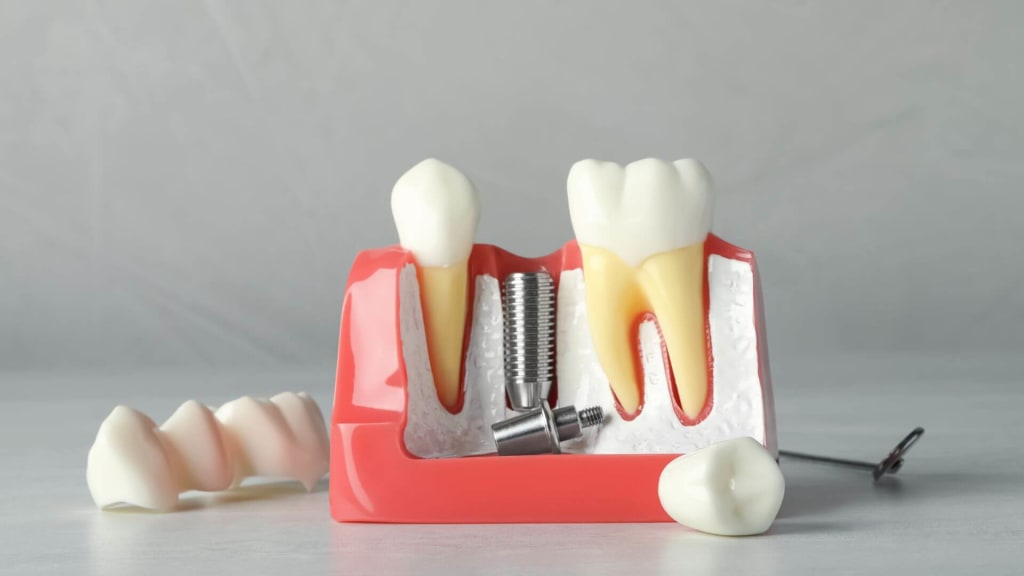
Dental implants are a popular and effective solution for replacing missing teeth, offering a natural look and feel that can last for decades with proper care. However, one common concern for many patients is whether they can get dental implants if they have experienced bone loss in their jaw. Bone loss can occur due to tooth loss, gum disease, or other factors, and it can complicate the implant process. The good news? Advances in dental technology and techniques have made it possible for many people with bone loss to still be candidates for implants. In this blog, we’ll explore how bone loss affects dental implants, what options are available, and how you can determine if implants are right for you.
Understanding Bone Loss and Dental Implants
What Causes Bone Loss in the Jaw?
Bone loss in the jaw often happens when teeth are missing for an extended period. Without the stimulation from tooth roots, the jawbone begins to resorb, or shrink, over time. Other causes include:
- Periodontal Disease: Advanced gum disease can destroy the bone supporting your teeth.
- Trauma or Injury: Physical damage to the jaw can lead to bone deterioration.
- Infections: Untreated dental infections can erode bone tissue.
- Medical Conditions: Conditions like osteoporosis or diabetes may contribute to bone loss.
Why Is Bone Important for Dental Implants?
Dental implants rely on a strong, healthy jawbone for stability. The implant, a titanium post, is surgically placed into the jawbone, where it fuses with the bone through a process called osseointegration. If the bone is too thin or weak, the implant may not have enough support to stay secure, increasing the risk of failure. This is why assessing bone density is a critical step in the implant process.
Can You Get Dental Implants with Bone Loss?
The short answer is: yes, in many cases, you can still get dental implants even with bone loss. However, the success of the procedure depends on the extent of the bone loss and the solutions your dentist employs. Let’s dive into the options available for patients with insufficient bone.
Bone Grafting: A Common Solution
For patients with moderate to severe bone loss, bone grafting is often recommended before placing Dental Implants Stony Plain. A bone graft involves adding bone material (either from your own body, a donor, or synthetic sources) to the jaw to rebuild its structure. This procedure:
- Strengthens the jawbone to support implants.
- Encourages new bone growth over time.
- Increases the likelihood of a successful implant procedure.
Bone grafting typically requires a healing period of several months before implants can be placed, but it’s a highly effective way to make implants possible for those with bone loss.
Mini Dental Implants
In cases of mild bone loss, mini dental implants may be an option. These implants are smaller in diameter than traditional implants, requiring less bone for placement. They’re often used for patients who want a less invasive procedure or who may not be candidates for bone grafting. While mini implants are not suitable for every case, they can be a great alternative for some patients.
Zygomatic Implants
For severe bone loss in the upper jaw, zygomatic implants offer a specialized solution. These longer implants anchor into the cheekbone (zygoma) rather than the jawbone, bypassing areas of bone loss. This approach is less common and requires a highly skilled Stony Plain Dentist, but it can be a game-changer for patients with significant bone deficiencies.
All-on-4 Implants
The All-on-4 technique is another innovative option for patients with bone loss. This method uses four strategically placed implants to support a full arch of replacement teeth. By angling the implants, dentists can often avoid areas of bone loss, reducing the need for bone grafting. All-on-4 is particularly popular for patients needing a full-mouth restoration.
Assessing Your Candidacy for Dental Implants
Initial Consultation and Imaging
To determine if you’re a candidate for dental implants, your dentist will conduct a thorough evaluation. This typically includes:
- Dental X-rays or CBCT Scans: These imaging tools assess bone density and structure.
- Medical History Review: Conditions like diabetes or smoking can affect healing and implant success.
- Oral Health Examination: Gum disease or other issues must be addressed before implants.
Based on these findings, your dentist will recommend the best course of action, whether that’s proceeding with implants immediately, performing a bone graft, or exploring alternative solutions.
Factors That Affect Implant Success
Even with bone loss, several factors influence whether dental implants will work for you:
- Overall Health: Good general health supports healing and osseointegration.
- Oral Hygiene: Maintaining excellent oral care is crucial for long-term implant success.
- Lifestyle Habits: Smoking or excessive alcohol consumption can hinder healing and implant stability.
Benefits of Dental Implants for Patients with Bone Loss
Dental implants offer numerous advantages, even for those who require additional procedures like bone grafting:
- Improved Functionality: Implants restore chewing and speaking abilities, mimicking natural teeth.
- Aesthetic Appeal: They provide a natural, confident smile.
- Bone Preservation: Implants stimulate the jawbone, preventing further bone loss.
- Durability: With proper care, implants can last a lifetime.
For patients with bone loss, the ability to rebuild the jaw through grafting or use advanced techniques like All-on-4 means these benefits are still within reach.
What to Expect During the Process
Step 1: Consultation and Planning
Your journey begins with a consultation where your dentist evaluates your bone health and discusses your goals. This is the time to ask questions and understand the recommended procedures.
Step 2: Bone Grafting (If Needed)
If bone grafting is required, the procedure will be scheduled, followed by a healing period of 3–6 months. During this time, the graft integrates with your natural bone.
Step 3: Implant Placement
Once the jaw is ready, the implants are surgically placed. This is typically done under local anesthesia, and recovery takes a few days to a week.
Step 4: Healing and Osseointegration
Over the next 3–6 months, the implants fuse with the jawbone. Temporary restorations may be used during this period.
Step 5: Final Restoration
After osseointegration, your dentist attaches the permanent crown, bridge, or denture, completing your new smile.
FAQs About Dental Implants and Bone Loss
Can bone loss be prevented after tooth loss?
Yes, replacing missing teeth with implants or other restorations soon after tooth loss can help maintain bone density by stimulating the jaw.
How long does bone grafting take to heal?
Healing typically takes 3–6 months, depending on the extent of the graft and your body’s response.
Are dental implants painful?
Most patients report minimal discomfort during and after the procedure, thanks to anesthesia and modern techniques.
How much do dental implants cost?
Costs vary based on the number of implants, additional procedures like bone grafting, and location. Consult your dentist for a personalized estimate.
Tips for Maintaining Healthy Jawbone and Implants
To maximize the success of your implants and prevent further bone loss:
- Practice Excellent Oral Hygiene: Brush twice daily, floss, and use an antiseptic mouthwash.
- Attend Regular Dental Checkups: Routine visits help catch issues early.
- Avoid Smoking: Smoking can impair healing and contribute to bone loss.
- Eat a Balanced Diet: Nutrients like calcium and vitamin D support bone health.
Bone loss doesn’t have to stand in the way of achieving a confident, functional smile with dental implants. Thanks to advanced techniques like bone grafting, mini implants, and All-on-4, many patients with bone loss can still enjoy the benefits of implants. By working with an experienced dentist, you can explore the best options for your unique situation and take the first step toward a healthier, more beautiful smile. If you’re considering implants, schedule a consultation today to learn how these innovative solutions can transform your oral health.
About the Creator
Enjoyed the story? Support the Creator.
Subscribe for free to receive all their stories in your feed.
Comments
There are no comments for this story
Be the first to respond and start the conversation.