
Can I Get a Dental Implant Years After Tooth Extraction?
Wondering if it’s too late for a dental implant after tooth loss? Discover how a can help restore your smile.

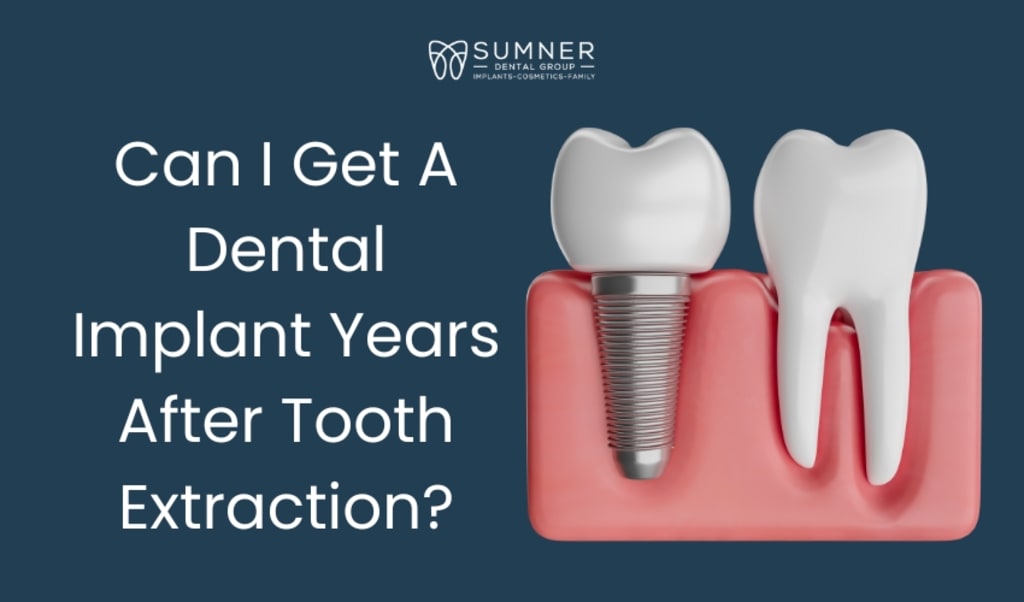
Losing a tooth can be a life-changing experience, whether due to injury, decay, or gum disease. While some people replace missing teeth quickly, others wait—sometimes for years—before exploring restoration options. If you're in the latter group, you might be wondering: "Can I still get a dental implant years after tooth extraction?" The good news is, in many cases, the answer is yes!
Thanks to advancements in dental technology and surgical techniques, even long-standing gaps in your smile can often be treated successfully with implants. However, there are several factors to consider, including bone density, gum health, and the expertise of your dentist in Gallatin, TN.
In this detailed guide, we’ll explore what happens after a tooth is extracted, the challenges of delayed implants, and how a dental professional can help you reclaim your smile—no matter how much time has passed.
What Happens to Your Jaw After a Tooth Is Extracted?
The moment a tooth is removed, your body starts a silent but significant process: bone resorption. In simple terms, your jawbone begins to shrink where the tooth used to be. According to the American Academy of Implant Dentistry (AAID), you can lose up to 25% of the bone in the extraction site within the first year—and more in the years that follow.
This bone loss can affect:
- The shape and strength of your jaw
- The alignment of surrounding teeth
- Your facial appearance and structure
Without a tooth or implant to stimulate the jawbone, this resorption continues over time. That’s why acting sooner is generally recommended. Still, waiting doesn’t necessarily disqualify you from getting a dental implant.
Can You Still Get a Dental Implant Years Later?
In many cases, yes—you can get a dental implant even years after your tooth was extracted. However, it may not be as simple as placing the implant immediately.
A skilled dentist will evaluate whether you still have enough bone to support the implant. If not, a bone graft may be recommended to rebuild the jawbone and create a stable foundation.
For instance, Dental experts offer advanced imaging and diagnostics to assess bone volume and customize a treatment plan that suits even delayed cases.
If you want a suggestion from a top dentist, then you should read this blog: It covers valuable insights on getting dental implants years after tooth extraction.
What Is a Bone Graft and When Is It Needed?
A bone graft is a procedure that replaces lost bone with grafting material—either synthetic, from your own body, or from a donor source. Over time, this material integrates with your jaw and encourages natural bone regeneration.
This step is often required for patients who have waited years after extraction. While it may extend the timeline for implant placement by a few months, it dramatically improves your long-term outcome and implant success.
Success Rate Tip: Dental implants have a success rate of over 95%, according to the National Institutes of Health (NIH), when placed in well-prepared bone.
Benefits of Getting a Dental Implant, Even Years Later
If you’ve been living with a missing tooth for years, getting a dental implant can be truly life-changing. Here’s why it’s worth considering:
1. Restored Function
Dental implants function just like real teeth, allowing you to chew, speak, and smile with confidence.
2. Jawbone Preservation
Even years later, placing an implant can help halt further bone loss and stimulate the jawbone to maintain facial structure.
3. Long-Term Solution
Unlike dentures or bridges, dental implants are designed to last decades—sometimes a lifetime—with proper care.
4. Improved Oral Health
Filling the gap left by a missing tooth prevents shifting of adjacent teeth and helps maintain proper alignment.
5. What’s the Process Like?
Getting a dental implant after several years typically involves a few essential steps:
6. Consultation & Exam
Your dentist in Gallatin, TN will perform a full oral exam, take 3D scans, and determine your bone condition.
7. Bone Graft (if needed)
If bone density is insufficient, a graft may be scheduled. Healing usually takes 3–6 months.
8. Implant Placement
The titanium post is surgically placed into your jawbone and allowed to heal (osseointegration).
9. Abutment & Crown
Once healed, an abutment is attached, and a custom-made crown is placed for a natural look.
While the full process may span several months, the result is a permanent, natural-looking tooth that feels like your own.
What If I Don’t Get an Implant?
If you’ve been putting off getting a dental implant, it’s worth considering the long-term risks of doing nothing:
- Bone loss will continue to progress.
- Teeth next to the missing gap may shift or tilt.
- Biting and chewing functions may become impaired.
- You may look older due to facial sagging.
The longer you wait, the more complex and costly the solution can become. But the good news is, you don’t have to go through this alone, your local dentist in Gallatin, TN can guide you through every step.
Why Choosing the Right Dentist Matters
Experience and technology make a big difference when it comes to delayed implant placement. A reputable dental practice, like Sumner Dental Group, will use the latest tools to evaluate bone health and create a custom treatment plan tailored to your unique needs.
When you work with a skilled implant provider, you increase your chances of long-term success, whether your extraction happened 6 months ago or 6 years ago.
Final Thoughts: It’s Not Too Late to Reclaim Your Smile
If you're wondering whether you can get a dental implant years after your tooth was extracted, take heart: it's almost never too late. With modern technology and expert care, even long-delayed implants can restore your smile, confidence, and quality of life.
While you may need additional procedures like bone grafting, the rewards are well worth the effort. Speak with a dentist today to learn about your options, and take the first step toward a healthier, more complete smile.
About the Creator
Milook Uzri
I’m a dental content writer who transforms complex dental terms into clear, engaging content. From SEO blogs to web copy, I help dental practices connect with patients and boost their online presence—one keyword at a time.
Enjoyed the story? Support the Creator.
Subscribe for free to receive all their stories in your feed.
Comments
There are no comments for this story
Be the first to respond and start the conversation.