
Can Dental Implants Get Infected? Signs & Prevention
Wondering if dental implants can get infected? Learn about the signs of peri-implantitis, common causes, and effective prevention tips to keep your implants healthy and long-lasting.

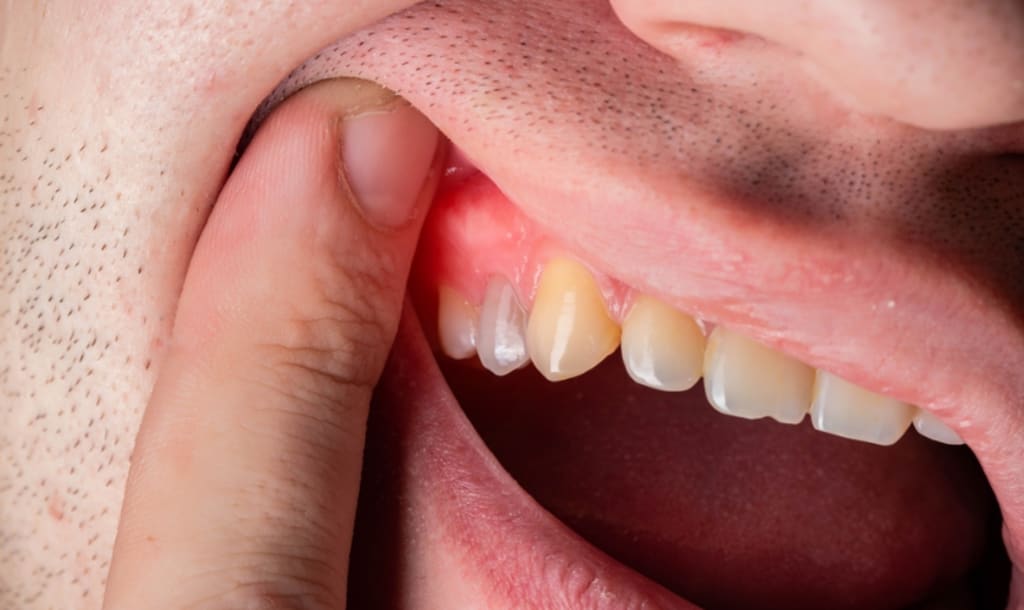
Dental implants have revolutionized the way we approach tooth replacement, offering a durable and natural-looking solution for missing teeth. But like any medical procedure, dental implants come with their own set of risks. One of the most common concerns patients have is whether dental implants can get infected. The short answer? Yes, they can.
In this article, we’ll dive into the signs of dental implant infections, how they happen, and most importantly, how you can prevent them. Let’s get started!
What Are Dental Implants?
Before we talk about infections, let’s quickly recap what dental implants are. A dental implant is a titanium post surgically placed into your jawbone, acting as an artificial tooth root. Once the implant fuses with the bone (a process called osseointegration), a crown is attached to restore the appearance and function of your missing tooth.
Implants are known for their longevity and stability, but they’re not invincible. Just like natural teeth, they require proper care to stay healthy.
Can Dental Implants Get Infected?
Yes, dental implants can get infected. The infection around a dental implant is known as peri-implantitis. This condition is similar to gum disease (periodontitis) but specifically affects the tissues surrounding the implant. If left untreated, peri-implantitis can lead to bone loss and even implant failure.
Signs of a Dental Implant Infection
Early detection is key to preventing serious complications. Here are some common signs that your dental implant might be infected:
Redness and Swelling: If the gums around your implant appear red, swollen, or inflamed, it could be a sign of infection.
Bleeding: Bleeding when brushing or flossing around the implant is a red flag.
Pain or Discomfort: While some discomfort is normal after the implant procedure, persistent pain is not.
Pus or Discharge: Any discharge around the implant site is a clear indicator of infection.
Loose Implant: If your implant feels wobbly or unstable, it could be due to bone loss caused by infection.
Bad Breath or Taste: Chronic bad breath or a foul taste in your mouth can be a sign of bacterial buildup.
If you notice any of these symptoms, it’s crucial to contact your dentist immediately.
What Causes Dental Implant Infections?
Dental implant infections are typically caused by bacteria. Here are some common factors that can increase your risk:
Poor Oral Hygiene: Failing to brush, floss, and rinse regularly can lead to plaque buildup, which harbors harmful bacteria.
Smoking: Smoking weakens your immune system and reduces blood flow to the gums, making it harder for your body to fight off infections.
Pre-Existing Gum Disease: If you have a history of gum disease, you’re at a higher risk of developing peri-implantitis.
Diabetes: Uncontrolled diabetes can impair your body’s ability to heal and fight infections.
Inadequate Aftercare: Not following your dentist’s post-surgery instructions can increase the risk of complications.
How to Prevent Dental Implant Infections
The good news is that dental implant infections are largely preventable. Here are some practical tips to keep your implants healthy:
1. Maintain Excellent Oral Hygiene
Brush your teeth twice a day with a soft-bristled toothbrush and use an antibacterial mouthwash. Floss daily to remove plaque and food particles from hard-to-reach areas.
2. Schedule Regular Dental Checkups
Visit your dentist every six months for professional cleanings and checkups. Your dentist can spot early signs of infection and address them before they escalate.
3. Quit Smoking
If you’re a smoker, consider quitting. Not only will it improve your overall health, but it will also significantly reduce your risk of implant complications.
4. Follow Post-Surgery Instructions
After your implant procedure, follow your dentist’s instructions carefully. This may include avoiding certain foods, taking prescribed medications, and keeping the surgical site clean.
5. Monitor Your Implants
Pay attention to any changes around your implant site. If something feels off, don’t hesitate to contact your dentist.
6. Eat a Balanced Diet
A diet rich in vitamins and minerals supports healthy gums and bones. Avoid sugary foods that can promote bacterial growth.
What Happens If an Infection Occurs?
If you suspect an infection, don’t panic. Early intervention can save your implant. Your dentist may recommend one or more of the following treatments:
Antibiotics: To eliminate the infection.
Deep Cleaning: To remove plaque and bacteria from around the implant.
Surgery: In severe cases, surgery may be required to clean the infected area and restore bone loss.
Final Thoughts
Dental implants are a fantastic solution for missing teeth, but they require proper care to stay infection-free. By maintaining good oral hygiene, attending regular dental visits, and being mindful of the signs of infection, you can enjoy the benefits of your implants for years to come.
If you’re considering dental implants or already have them, remember that prevention is always better than cure. Take care of your implants, and they’ll take care of you!
Got questions or concerns about dental implants? Drop them in the comments below—we’d love to hear from you!
About the Creator
Z-Dentist San Antonio
Located conveniently in the heart of San Antonio, Z Dentist welcomes patients from all over. As a full-service clinic, Z Dentist's personalized approach combines the latest technology and quality care to deliver outstanding results.
Enjoyed the story? Support the Creator.
Subscribe for free to receive all their stories in your feed.
Comments
There are no comments for this story
Be the first to respond and start the conversation.