
Can Dental Implants Be Removed?
Discover the reasons for dental implant removal, the process involved, and alternative solutions.

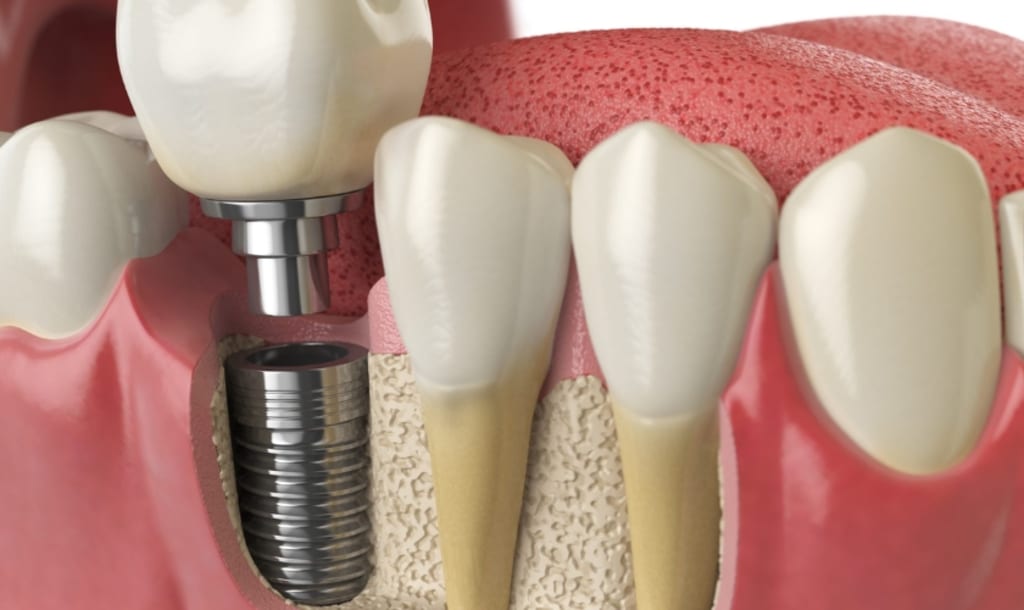
Dental implants have revolutionized modern dentistry, providing patients with a durable and aesthetically pleasing solution for missing teeth. However, one question frequently arises: can dental implants be removed? While dental implants are designed to be permanent, there are circumstances where removal might be necessary. This blog explores the scenarios under which dental implants may need to be removed, the process involved, and the implications for oral health.
What Are Dental Implants?
Dental implants are titanium or zirconia posts surgically placed into the jawbone to act as artificial tooth roots. They serve as a stable foundation for dental crowns, bridges, or dentures, offering both functional and cosmetic benefits. Unlike removable dentures, dental implants integrate with the bone through a process called osseointegration, making them a long-lasting and secure solution.
Benefits of Dental Implants
Durability: With proper care, dental implants can last a lifetime.
Natural Appearance: Implants closely resemble natural teeth.
Improved Oral Function: They restore the ability to chew and speak comfortably.
Bone Preservation: Implants prevent bone loss by stimulating the jawbone.
Why Would Dental Implants Need to Be Removed?
Although dental implants boast high success rates—up to 98% according to the American Academy of Implant Dentistry—there are situations where removal becomes necessary. Common reasons include:
1. Infection (Peri-Implantitis)
Peri-implantitis is a form of gum disease that affects the tissues surrounding the implant. If left untreated, it can lead to bone loss and implant failure.
2. Implant Failure
While rare, dental implants can fail to integrate with the bone. This is more likely in individuals with certain health conditions, such as diabetes or those who smoke.
3. Misalignment
Occasionally, implants may be improperly positioned, affecting bite alignment or aesthetic outcomes.
4. Damage to Adjacent Structures
In some cases, implants can cause damage to nearby teeth, nerves, or sinus cavities, necessitating their removal.
5. Patient Preferences or Changes
Some patients may opt to have their implants removed due to discomfort or aesthetic dissatisfaction, although this is uncommon.
The Process of Removing Dental Implants
Removing a dental implant is a complex procedure that requires careful planning and execution by a skilled oral surgeon. Here’s what to expect:
1. Evaluation
Before removal, the dentist will conduct a thorough examination, including X-rays or CT scans, to assess the condition of the implant and surrounding bone.
2. Surgical Removal
Special tools are used to carefully detach the implant from the bone. In cases where the implant is deeply integrated, bone grafting may be required afterward.
3. Aftercare and Healing
Post-removal care includes managing discomfort and ensuring proper healing. The area may need to heal for several months before considering replacement options.
Are There Risks Involved in Removing Dental Implants?
As with any surgical procedure, implant removal carries potential risks, including:
Bone Loss: Removing the implant may result in bone damage, requiring grafting to restore volume.
Infection: There is a risk of infection at the surgical site.
Nerve Damage: Improper removal techniques can lead to nerve injury, causing numbness or tingling.
Alternatives After Implant Removal
Once an implant is removed, patients can explore various alternatives to restore their smile:
1. Re-Implantation
After sufficient healing, a new implant can often be placed in the same area.
2. Dental Bridges
A dental bridge can replace the missing tooth without requiring surgery.
3. Removable Dentures
For those seeking a non-invasive option, removable dentures are a viable choice.
Preventing the Need for Implant Removal
Proper care and maintenance are crucial for the longevity of dental implants. Follow these tips to avoid complications:
Maintain Oral Hygiene: Brush and floss daily to prevent infections.
Regular Check-Ups: Visit your dentist every six months for professional cleanings and assessments.
Avoid Smoking: Smoking impairs healing and increases the risk of implant failure.
Healthy Diet: A balanced diet supports overall oral health.
Why Choose Newton Dental Studio for Dental Implants in Newton, KS?
Newton Dental Studio is renowned for its expertise in dental implant procedures. With a patient-centered approach and state-of-the-art technology, the clinic ensures successful outcomes and long-lasting results. Whether you’re considering implants or need assistance with an existing one, the team at Newton Dental Studio provides unparalleled care and support.
Conclusion
So, can dental implants be removed? Yes, they can, but removal is typically reserved for specific situations where the implant poses a problem or fails to function as intended. With proper care and the expertise of a skilled dental professional, dental implants can provide a lifetime of benefits. If you’re considering dental implants in Newton, KS, or have concerns about an existing implant, consult with the trusted experts at Newton Dental Studio to ensure the best possible care.
About the Creator
Dr. Bo Davidson, DDS
Hi, I’m dentist at Newton Dental Studio! I’m here to help you achieve a healthy, beautiful smile with personalized care. From checkups to cosmetic or restorative treatments, schedule an appointment today and start your dental journey!
Enjoyed the story? Support the Creator.
Subscribe for free to receive all their stories in your feed.
Comments
There are no comments for this story
Be the first to respond and start the conversation.