
Can a Material Laser Cutter Be Used for Soft and Hard Materials Equally?
Find out if a material laser cutter works the same on soft and hard materials. Learn about settings, material types, and cutting differences.

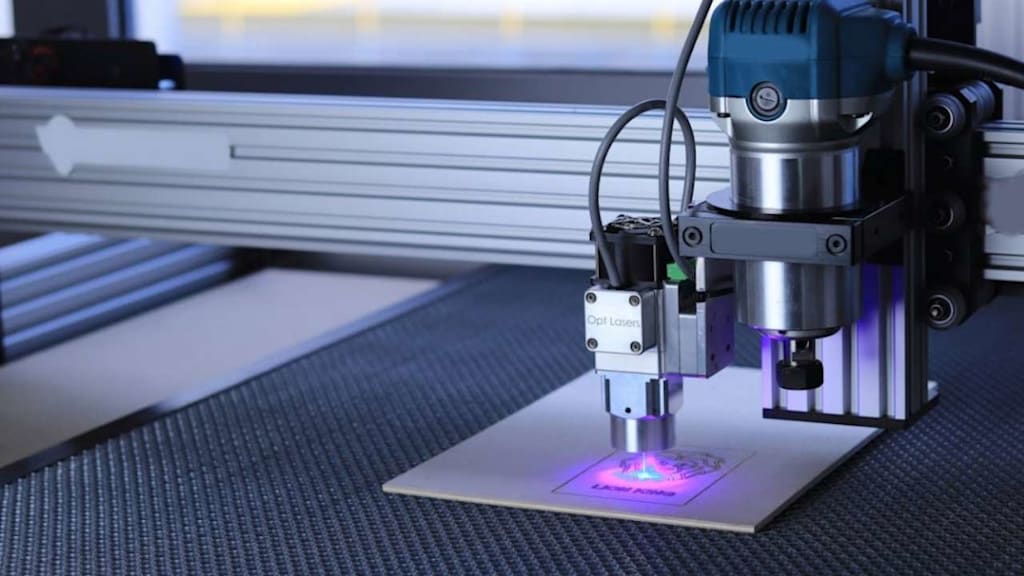
Laser cutting is now common in many UK workshops and factories. It is used for school projects, art pieces, signs, furniture parts, and even metal tools. However, there is one common question that comes to mind: is it possible for a material laser cutter to achieve identical results with soft and hard materials?
The answer is that it is not quite possible. Although one machine can cut through various kinds of materials, their characteristics cannot be identical. Let us discuss it in our blog post below.
How Does a Material Laser Cutter Work?
A material laser cutter uses a focused beam of light to cut or engrave surfaces. The beam is very hot. It melts, burns, or vaporises the material in a thin line. A computer guides the laser so it follows a design with great accuracy.
The power of the laser, the speed of movement, and the type of lens all affect the final result. Because of this, different materials need different settings. What works for wood may not work for steel.
Understanding Soft Materials
Soft materials are easier for a laser to cut. These include:
- Wood
- Plywood
- MDF
- Acrylic
- Leather
- Card
This happens because these materials have lower melting and burning points. It implies that less energy is required by the laser for cutting these materials.
For instance, during wood laser engraving services, the laser removes the top surface of the material to form a design or text. The heat darkens the surface and creates a clear design. Because wood is softer than metal, it reacts quickly to the beam.
Acrylic also responds well to laser cutting. In acrylic laser cutting services, the laser melts the plastic cleanly, leaving smooth and polished edges. It's great for signs, display stands and wall panels.
Soft materials usually allow faster cutting speeds. They also produce less wear on the machine compared to harder substances.
Understanding Hard Materials
Hard materials include:
- Stainless steel
- Mild steel
- Aluminium
- Brass
- Thick composites
More power and control will also be necessary for cutting through these materials. They cannot be burnt easily like wood. It will be necessary for the laser to generate much higher temperatures in order to cut into these materials.
Some specific gases are also required when working on metals. Oxygen or nitrogen gas is usually used in these cases. These gases enhance the quality of the cuts made by the machines.
Heat resistance makes hard materials reflect more heat energy back into the system. This can cause the cutting procedure to become complicated and difficult.
Can One Machine Cut Both Soft and Hard Materials?
In some cases, yes. But not equally.
A material laser cutter designed for light workshop use may handle wood and acrylic very well but struggle with thick metal. On the other hand, an industrial fibre laser built for steel may not be ideal for delicate engraving on thin wood.
The type of laser matters:
- CO₂ lasers are better for soft materials like wood, leather, and acrylic.
- Fibre lasers are stronger and more suited for metals.
Each type has strengths and limits. This is why workshops often choose machines based on their main type of work.
Differences in Settings and Results
Even if the same machine is used, the settings must change depending on the material.
Power Levels
Soft materials need lower power. Hard materials need higher power to melt or cut through.
Speed
Wood and acrylic can be cut quickly. Metal usually requires slower movement for a clean finish.
Edge Quality
Acrylic can produce glossy edges. Wood may show slight burn marks. Metal edges can look sharp and precise but may need extra finishing.
Thickness Limits
Thin plywood may cut easily. Thick steel plates may require a much stronger system.
Because of these differences, results are not equal across all materials.
Safety Considerations
Safety also changes depending on what is being cut.
Soft materials such as MDF can release smoke and fine dust. Good ventilation is important.
Harsh materials, such as metal, have the ability to produce sparks and high temperatures. Protection mechanisms and shields should be employed.
Incorrect use of settings in incorrect materials could cause harm to the equipment. That is why trained operators are important in any UK workshop using laser systems.
Cost and Efficiency
Soft materials are usually less expensive to process. Less energy and machine time are needed.
Harder metals are more expensive to cut since:
- More energy is used
- May need an assistance gas
- The operation takes longer
It does not mean that one is superior to the other. It only means that each has its own requirements.
Real-World Use in the UK
In the UK, laser cutting is widely used in schools, small businesses, and manufacturing plants.
Creative industries often focus on wood laser engraving services for crafts, signage, and personalised gifts.
Retail and display companies rely on acrylic laser cutting services for shop fittings and branding materials.
Engineering and construction sectors use high-powered systems to cut metal parts for buildings and machinery.
Each field uses laser technology in a way that matches the material’s properties.
So, Can a Material Laser Cutter Be Used for Soft and Hard Materials Equally?
The honest answer is that a material laser cutter can work with both soft and hard materials, but not in the same way and not with the same performance.
Working with soft materials is quick, easy, and clean. Working with hard materials requires more energy, greater caution, and even different laser techniques.
The important elements include:
- The laser
- The power
- The material thickness
- The proper machine calibration
Knowing this information allows the user to select the appropriate machinery for quality results.
Final Thoughts
Laser cutting is a versatile technique. It has changed the way many materials are shaped and designed across the UK.
However, soft and hard materials behave very differently under heat. While one system may handle both, the process is not equal. Each different material has its own requirements, setups, and expertise needed.
Understanding these differences helps companies, individuals, and manufacturers make better choices and use laser technology in a safe and effective way.
A laser cutting technique is not an approach that fits all materials. Instead, it is finding the most appropriate technique for each particular surface.
About the Creator
RazorLAB
RazorLAB provides versatility of Laser cutting & Engraving services! Our team of skilled professionals can handle a wide range of projects. We specialize in four distinct materials for custom projects like acrylic, wood, fabric & card.
Enjoyed the story? Support the Creator.
Subscribe for free to receive all their stories in your feed.
Comments
There are no comments for this story
Be the first to respond and start the conversation.