
Can a Market Neutral Income Strategy Support Steady Returns?
How Market Neutral Income Strategies Aim for Stable Profits
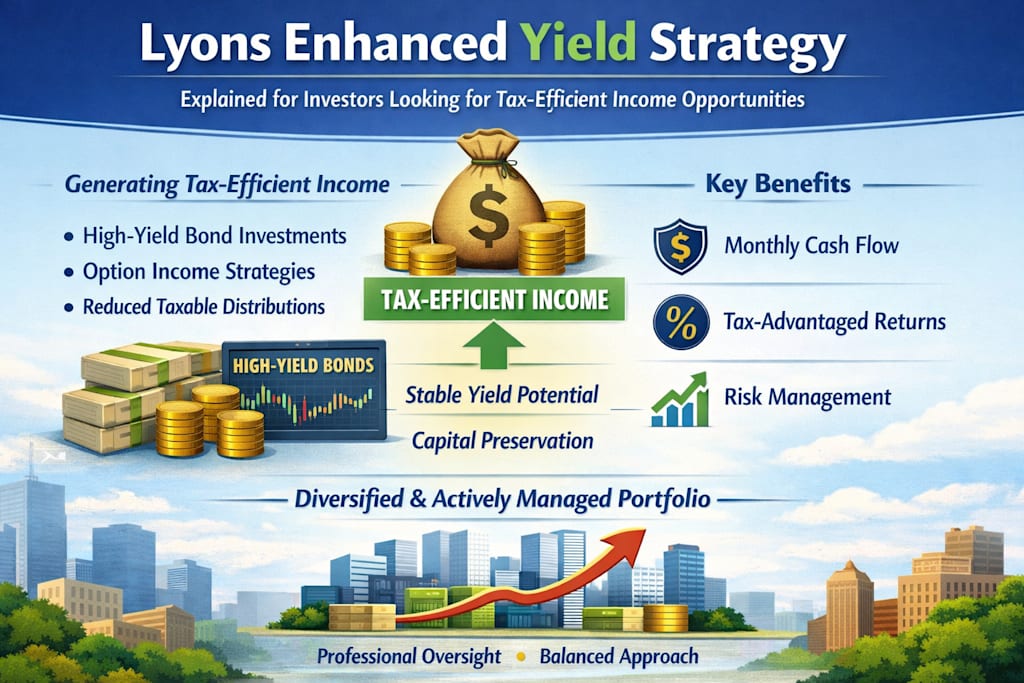
Building a stable financial path often means balancing growth with risk control. Many individuals seek approaches that offer consistency without relying heavily on market swings. A thoughtful approach, like a market-neutral income strategy, can help create a more measured investment experience, especially for those who prefer a calmer financial journey. This type of planning focuses on reducing exposure to broad market movements while still aiming to generate income over time.
Understanding a Balanced Income Approach
A steady income plan is not only about returns; it is also about how those returns are achieved. Investors often explore methods that combine diversified assets with careful risk management. The idea is to build a structure that balances gains and losses to minimize volatility.
This approach may include a mix of equities, fixed-income instruments, and alternative investments. By spreading exposure, investors can reduce dependence on a single market trend. The result is a smoother performance pattern that can feel more manageable during uncertain periods.
Why Stability Matters in Long-Term Planning
Short-term market changes can create stress, especially when investments are heavily tied to market direction. A balanced strategy seeks to reduce these fluctuations. Instead of reacting to every shift, the focus remains on maintaining consistent progress.
This method can be helpful for individuals nearing retirement or for those who rely on investment income to cover regular expenses. A steady structure allows for better planning, making it easier to align financial goals with everyday needs.
How a Market Neutral Income Strategy Works
A market-neutral income strategy aims to reduce the impact of market direction by balancing long and short positions or combining assets that respond differently to market changes. The goal is not to predict where the market will go, but to create a setup where gains in one area can offset losses in another.
This type of strategy often includes careful asset selection and ongoing adjustments. Professionals monitor performance and rebalance portfolios as needed, ensuring that the overall structure remains aligned with the intended outcome. Over time, this disciplined approach can help maintain a steady income stream with reduced volatility.
The Role of Tax-Efficient Planning
Income strategies are not only about earning returns; they also involve managing taxes effectively. Thoughtful tax planning can help preserve more of what is earned. One important concept that often comes into play is how accelerated depreciation works, particularly for those investing in real estate or similar assets.
This concept allows investors to recover the cost of an asset more quickly for tax purposes. By doing so, it may reduce taxable income in earlier years, thereby supporting overall cash flow. When used carefully, this approach can complement an income-focused plan by improving after-tax returns.
Building a Strategy That Fits Your Goals
Every investor has different priorities. Some may seek a steady income, while others may want a mix of growth and security. A well-structured plan takes these preferences into account and adjusts accordingly.
Working with experienced professionals ensures that the strategy is tailored to specific needs. This includes selecting suitable assets, managing risk levels, and keeping the plan aligned with long-term objectives. Regular reviews are also important, as they allow for adjustments based on changing conditions or personal goals.
Keeping Expectations Realistic
While stability is a key goal, it is important to understand that no strategy is entirely risk-free. Even a carefully designed approach may experience periods of lower performance. However, the focus remains on reducing sharp fluctuations and maintaining a consistent direction over time.
Patience plays a significant role in this process. Investors who stay committed to their plan are often better positioned to benefit from its long-term structure.
Moving Forward with Confidence
A thoughtful market-neutral income strategy can offer a more balanced approach to investing. Focusing on stability, diversification, and tax efficiency offers a path that may feel more controlled and predictable. This approach can be especially valuable for those seeking a steady income without excessive exposure to market swings.
If you are exploring ways to create a more stable financial future, consider discussing your options with a qualified advisor. A tailored plan can help align your investments with your goals and provide guidance every step of the way.
About the Creator
Enjoyed the story? Support the Creator.
Subscribe for free to receive all their stories in your feed.
Comments
There are no comments for this story
Be the first to respond and start the conversation.