
Brownout vs Blackout: Key Differences and Safe Recovery Steps
Find the primary difference between a brownout and a blackout for power disruption. Know how an emergency electrician can resolve these issues safely.
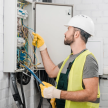

Are you a homeowner or commercial business experiencing sudden power outages? Want to know the difference between brownout and blackout? When you experience a sudden flickering of lights or a power outage, it's easy to feel confused and frustrated.
Since these two terms are related to power disruption services, "brownout" and "blackout" are often used interchangeably by many people globally, but they have distinct meanings. Practically, understanding the difference between a brownout vs blackout is crucial because the response method you choose can protect your home, your safety, and your electrical devices.
In crucial situations, consulting a certified emergency electrician is valuable for resolving urgent power outages and severe electrical system failures.
Both of these situations are linked to problems with the strict electrical supply, which affects households, businesses, and even entire cities in different ways. This blog explores the distinctions between blackouts and brownouts, highlighting the valuable safe recovery phases and steps.
A Short Overview Of Brownout
A sudden brownout occurs when there are severe voltage fluctuations in the electrical system, whether it is a residential or commercial property. In this electrical issue, voltage drops temporarily, rather than losing all power at once.
This adverse situation can cause your lights to dim, lower the power of different appliances, or slow down your fans. This emergency occurs when there is a sudden surge in electricity demand and the power grid's capacity is unable to meet it.
Sometimes, utility companies implement controlled brownouts to prevent overloading the home's electrical system. Even a minor brownout might sound less severe, but it can lead to significant problems.
Sensitive electronics, such as routers, televisions, computers, and servers, are at a higher risk during unexpected voltage fluctuations because they are designed to operate potentially at a lower power level. Even small changes in the power supply can damage sensitive electronic equipment, resulting in costly repairs or replacements.
A Precise Introduction Of The Term Blackout
Unlike a brownout, a blackout is a unique situation where a complete loss of power in a specific area. These types of power outages can last anywhere from a few minutes to several hours, depending on the cause. They are primarily caused by severe weather, power grid failures, or accidents that damage power lines.
In some practical cases, utility companies plan advanced rolling blackouts when electricity demand exceeds the limit that the power grid can handle. All the electrical devices stop working during the outage. These appliances include medical devices, refrigerators, heaters, and cooling equipment.
Power outages can lead to lost productivity, increased safety risks, and equipment failures for businesses. Unlike brownouts, blackouts are more disruptive and may need an instant emergency response with a reputable emergency electrical services provider in dedicated environments.
What Are The Differences Between Brownouts and Blackouts?
Compare the notable differences between brownout vs blackout to understand better how each critical situation impacts the daily operations of devices.
Unfavorable Impact On Devices
Brownouts can cause the light to dim and harm sensitive electronics due to voltage and power fluctuations. In contrast, blackouts shut down everything.
Nature Of Power Disruption
A blackout is a complete loss of electricity supply, whereas a brownout is a slight reduction in voltage.
Primary Cause Of These Power Disruptions
These brownouts are directly linked to power demand and the utility company's strategy for managing it. In contrast, blackouts are caused by natural disasters, floods, sudden equipment failures, or the overloading of power grids.
Quick Response During Sudden Electrical System Disruption
The overall priority is to remain safe, protect the battery's power, and prepare in advance for the complete restoration of electricity. In contrast, in a brownout, the focus should be on safeguarding sensitive electronic equipment.
Time Duration Of Power Outages
Brownouts often last a shorter time and are primarily used as a serious preventive measure to protect your home or business from severe power interruptions. Blackouts are more prolonged and disruptive compared to brownouts, especially during large-scale electrical system failures or storms.
Why Blackouts and Brownouts Matter A Lot
Both types of power disruptions can have adverse effects. A brownout may seem small, but repeated voltage fluctuations will weaken electrical devices over time.
For instance, motors in air conditioners or refrigerators may wear out more quickly, causing severe equipment failures. Data systems and advanced computers can experience malfunctions if voltage levels drop suddenly without proper protection in place.
In contrast, blackouts bring everything to a stop, including electronic equipment and electrical devices. However, they can completely disturb family routines, cause severe food spoilage, and make cooling and heating systems unstable.
Power outages can disrupt regular activities, halt supply chains, and erode customer trust for businesses and commercial enterprises. A variety of communities that rely on a stable electricity supply for hospitals or emergency services are crucial.
Safe Recovery Steps After A Blackout
Managing a blackout requires a proactive approach, as it involves a complete power loss.
Wait For Stable Power Restoration
Do not immediately switch on or plug in all your electrical devices when power returns. Allow the electrical system a few minutes to stabilize before powering up sensitive equipment.
Store Phone and Battery Use
During prolonged power outages, keeping communication devices charged is essential. You should limit the unnecessary use of phones and flashlights.
Stay Calm And Inspect The Area
You should confirm whether the power outage is limited to your home or if the entire neighborhood is severely affected. The power utility companies offer instant updates on prolonged outages.
Use Backup Systems Wisely
You should rely on backup systems, such as UPS for computers and compact devices, and use a generator for backup power for more prolonged power outages. By connecting with an experienced emergency electrician, you ensure that safety rules are followed when using generators.
Turn Off Major Electrical Appliances
Instantly switch off heaters, refrigerators, and air conditioners to prevent sudden power surges when electricity returns. These types of severe power surges are common after power outages and can damage electrical devices.
Safe Recovery Steps After A Brownout
Recovering safely from a brownout condition needs a few simple and necessary steps.
Make Constructive Use Of Uninterruptible Power Supplies (UPS)
UPS provides temporary backup power and regulates the voltage to a higher level, offering you enough time to safely power off devices without causing remarkable damage.
Verify and Monitor Electrical Appliances
Check your sensitive appliances to ensure that they are working correctly after stabilizing the voltage. It may be necessary to hire a professional inspection from an experienced emergency electrician to ensure the correct functioning of devices in situations where something goes wrong or a device malfunctions.
Unplug Sensitive Electronics Carefully
When you observe dimming or flickering lights and equipment functioning abnormally in your house, immediately disconnect devices such as televisions, computers, and other sensitive electronic appliances to avoid severe damage.
Follow Different Techniques To Prepare For Sudden Power Interruptions
Being prepared in advance can reduce the stress of both blackouts and brownouts. A few preventative measures include different things:
- Minimize unnecessary power use during peak working hours to help lower electricity demand.
- Stay informed by signing up in advance for surprising power outage alerts from your local utility companies.
- Keep extra batteries and flashlights with you in an accessible area for sudden power outages.
- Invest safely in surge protectors to protect electronic devices from sudden power surges.
- When you depend on emergency medical or electrical devices, always have a power backup ready, such as a UPS or generator.
Protect The Devices During Blackouts and Brownouts In Madison With An Experienced Emergency Electrician
Sudden power interruptions are inconvenient, but understanding these disruptions between blackouts and brownouts helps you respond correctly.
Sudden brownouts involve remarkable voltage fluctuations that can severely damage electrical devices, while blackouts result in a complete loss of power, which can stop all daily routines.
For both options, taking safety and precautionary steps to protect sensitive electronics, remaining safe, and being prepared in advance can make a vast difference, whether it is a detailed light flicker or a prolonged power outage. Knowing how to recover safely keeps your business, home, and community running smoothly when the unexpected power disruption occurs.
If you are unsure about safeguarding your systems or restoring power safely, connecting with trusted experts through electrical services near me can offer you peace of mind and instant support when you need it most.
About the Creator
Elijah Smith
I’m part of HBP Electrical, LLC, providing expert electrical services with a focus on quality work, reliability, and strong client relationships.
Enjoyed the story? Support the Creator.
Subscribe for free to receive all their stories in your feed.
Comments
There are no comments for this story
Be the first to respond and start the conversation.