
Brisket Market: A Slow-Smoked Culinary Boom
Experiential Foodservice Menus & Advanced Retail Packs Drive Industry Toward $38 Bn by 2031

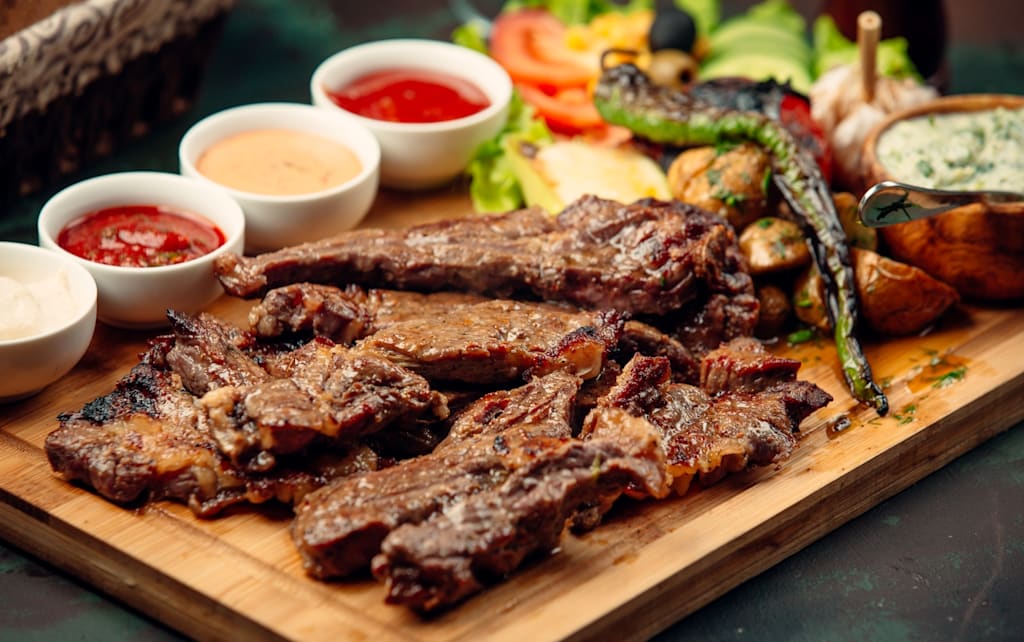
The way we approach backyard smoking and premium restaurant dining is undergoing a quiet but massive rewrite.
It wasn’t that long ago that cooking a beef brisket was strictly considered a highly localized, specialized art confined to competitive barbecue circuits in the American South or classic neighborhood Jewish delis.
However, browse any modern suburban supermarket meat case or check an urban smokehouse menu today, and you will see a total transformation. Backyard pitmasters are investing in smart, pellet-fueled smokers to tackle the complex, multi-hour cook at home, while international casual dining chains are highlighting slow-cooked brisket sandwiches to anchor their premium menus. This tough, deeply flavorful primal cut has successfully broken out of its regional boundaries to become a highly prized, multi-billion-dollar staple of global culinary culture.
This widespread demand is generating extensive commercial value. According to the latest data from Mordor Intelligence, the global brisket market size was valued at USD 29.32 billion in 2025 and is estimated to grow from USD 30.67 billion in 2026 to reach USD 38.42 billion by 2031. Fueled by a soaring consumer appetite for protein-dense diets and authentic, slow-cooked comfort foods, the industry is forecast to expand at a steady 4.59% CAGR during the forecast period.
The Culinary Advantage: Experiential Foodservice Over Home Cooking
The primary driver behind this multi-billion-dollar expansion is the sheer complexity of brisket preparation. Because the cut contains a high concentration of tough connective tissue and collagen, turning it into a tender, juicy meal requires an intensive, low-and-slow cooking process that often stretches between 12 to 18 hours.
This lengthy preparation gives commercial kitchens a distinct competitive edge. Consumers who crave the signature bark and rich, melt-in-your-mouth texture of a properly smoked brisket are increasingly choosing to dine out rather than manage a complex overnight cook at home. As a result, restaurant operators from upscale barbecue boutiques to quick-service icons are aggressively using brisket as a premium menu differentiator. Featuring these slow-cooked cuts allows foodservice businesses to attract heavy foot traffic, justify premium price points, and protect their profit margins in a highly competitive dining landscape.
Strategic Market Breakdown: Cuts, Processing, and Channels
The internal product architecture of the global market reveals a clear divide between high-volume commercial formats and fast-rising premium preferences:
- Flat Cuts Lead the Core, Point Cuts Accelerate: By cut type, flat cuts captured a dominant 64.62% of the brisket market share in 2025. Foodservice businesses and supermarkets favor the flat cut due to its leaner profile, uniform shape, and highly predictable slicing characteristics. Conversely, point cuts are projected to post the fastest 5.42% CAGR through 2031, driven by dedicated barbecue enthusiasts who demand a higher fat content and intensely rich flavor profiles.
- Conventional Dominance vs. Organic Growth: Traditional, grain-finished options made up the bulk of the industry, with conventional brisket holding an 84.62% revenue share in 2025 thanks to its established supply chains and affordable wholesale pricing. On the other side, organic and grass-fed brisket lines are set to expand at a swift 6.63% CAGR to 2031 as health-conscious demographics seek out transparent, verified animal welfare standards.
- Box Formats Rule, Pouches Move Fast: In terms of packaging, heavy box formats commanded 69.54% of the market size in 2025, serving as the standard for bulk wholesale shipping. Meanwhile, vacuum-sealed pouches are expanding at a 5.68% CAGR, favored in retail aisles for extending shelf life and preventing freezer burn.
Low Concentration: The Rise of Regional Specialized Brands
Operating in the global beef sector requires balancing mass processing against localized consumer tastes. Interestingly, the brisket market features a low market concentration, meaning it is not heavily controlled by a single dominant meat processor. While international grain integrators and packing giants like Tyson Foods, Cargill, and JBS leverage their massive logistics networks to move high physical volumes, there is ample room for regional specialists to thrive.
These local brands are establishing a strong market presence by catering directly to specific consumer micro-segments. They are building deep customer loyalty by focusing on sustainable regional ranching practices, offering custom aging programs, and supplying distinct flavor profiles such as specialized pre-brined corned beef briskets or pre-rubbed, ready-to-cook options that large-scale processors cannot easily customize.
Channels and Geography: North American Scale, Asia-Pacific Velocity
The paths bringing this premium cut to global plates show contrasting distribution and regional growth patterns:
- Foodservice Remains the Volume Anchor: Driven by commercial smokehouses and casual dining menus, the foodservice channel accounted for 59.62% of the global market size in 2025, acting as the primary engine for high-volume consumption.
- The Retail Acceleration: On the retail side, supermarkets, specialized butcher shops, and direct-to-consumer online meat deliveries are advancing at a 6.23% CAGR through 2031, supported by innovations in pre-trimmed, retail-ready cuts.
- Geographic Breakdown: North America anchored global consumption with a dominant 45.02% revenue share in 2025, deeply rooted in traditional Texas-style barbecue heritage. On the other hand, the Asia-Pacific region is set to register the fastest growth at a 7.70% CAGR through 2031, fueled by rapidly expanding protein consumption, rising urban middle-class incomes, and a strong foodservice sector recovery in countries like China, India, and Indonesia.
Final Thoughts: Crafting a Premium Legacy
As the global brisket market marches toward its USD 38.42 billion milestone in 2031, the category illustrates how a historically budget-friendly, tough cut of meat can be successfully elevated into a high-margin global luxury. By aligning deep culinary traditions with advanced vacuum retail packaging and a growing focus on sustainable sourcing, the industry has turned a slow-cooked craft into a highly profitable global asset.
The next time you enjoy a smoky slice of brisket at a local smokehouse or select a vacuum-sealed flat cut for a weekend cook, take a moment to look past the plate. Behind that tender texture sits a highly sophisticated global network of advanced cold-chain logistics, decentralized regional processing, and hyper-targeted culinary marketing working together to perfect your dining experience. Premium meat dining is becoming more accessible, more flavorful, and beautifully authentic—one slow-cooked slice at a time.
About the Creator
Harvey Specter
I am passionate about Food & Beverage, Ag, & Animal Nutrition companies. I help organizations unlock their data's potential and fuel business growth. My expertise transforms raw data into actionable insights for strategic decisions.
Enjoyed the story? Support the Creator.
Subscribe for free to receive all their stories in your feed.
Comments
There are no comments for this story
Be the first to respond and start the conversation.