
Brazil Furniture Market: Growth Trends, Industrial Demand, and Future Opportunities
Explore the Brazil Furniture Market with insights into industry trends, market size, growth drivers, consumer demand, and forecast opportunities through 2034.

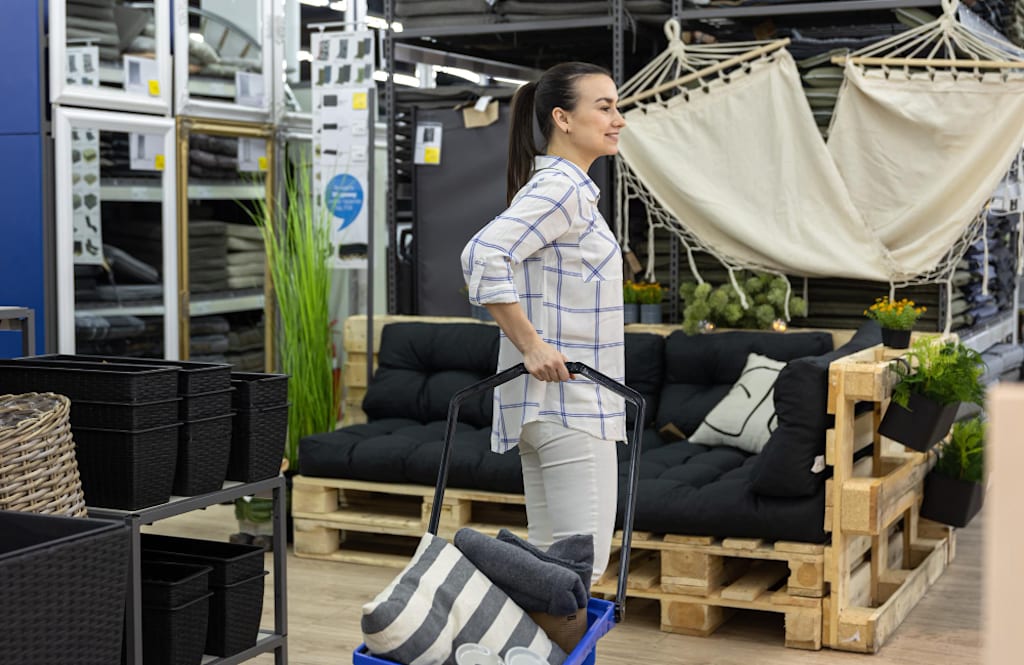
Urbanization‚ increased residential construction activities‚ rising disposable incomes‚ and changing consumer lifestyles are the key factors responsible for the growth in the Brazil Furniture Market․ Brazil is one of the major furniture-producing countries in Latin America owing to the presence of strong manufacturing facilities‚ availability of raw materials‚ and a growing retail sector in Brazil․ The Brazil furniture market size is USD 15․78 Billion in 2025 and is projected to reach USD 25․54 Billion in 2034‚ at a CAGR of 5․50% during the forecast period․
While comfort‚ aesthetics‚ durability and sustainability are the primary consumer needs‚ furniture is a necessity in the modern home․ The rise in home improvement projects‚ smart home usage and multi-functional furniture are changing consumer buying habits․ The growth of online shopping is also contributing to the rise in demand‚ as customers can easily access numerous furniture options online․
Overview of the Brazil Furniture Market
The Brazilian furniture industry produces a wide range of products: home‚ office‚ kitchen‚ garden and custom made furniture․ The domestic market is strong and the industry increases its international market share as well․
Mainly the changing trend of home decor‚ construction of urban residential‚ and rising investment in the construction of commercial buildings are driving the growth of the market․ Major players are adopting new styles‚ sustainable raw materials‚ and increasing digital sales channels to gain a competitive edge in the market․
According to the IMARC Group‚ the Brazil Furniture Market is expected to grow at a steady pace in the forecast period‚ driven by the increasing construction activities‚ rising disposable income‚ and growing demand for luxury furniture in the country․
Key Trends Shaping the Brazil Furniture Market
Rising Demand for Home Furnishing Products
The residential sector in Brazil is growing‚ driving the demand for furniture products․ The population is increasingly moving to urban areas and the number of middle-income households is also increasing‚ allowing consumers to invest in furniture products with functional and aesthetic design․
Consumer demand for modular and space-saving products‚ as well as customized offerings for apartments and smaller residences‚ is also creating new opportunities for manufacturers to innovate and meet changing consumer preferences․
Expansion of E-Commerce Furniture Sales
Online sales channels in Brazil are transforming the furniture business due to ease of buying‚ large catalogs of available products‚ and competitive pricing․
Brands are therefore focusing on digital mediums‚ virtual showrooms‚ augmented reality tools and direct-to-consumer channels․ The rising penetration of mobile phones and internet is driving the online furniture market in India․
Growing Preference for Sustainable Furniture
Sustainability is an important purchase consideration for Brazilian consumers‚ and Brazilian furniture manufacturers are increasingly using certified wood‚ recycled materials‚ and production processes that conserve resources․
Companies are increasingly using sustainable sourcing methods and energy-efficient manufacturing processes․ Eco-friendly furniture products are growing in popularity amongst consumers with eco-friendly preferences․
Increasing Demand from Commercial Sectors
Commercial establishments such as offices, hotels, restaurants, educational institutions, and healthcare facilities continue to generate substantial demand for furniture products.
The growth of co-working spaces and modern office environments is encouraging investment in ergonomic office furniture designed to improve employee productivity and comfort. Hospitality sector expansion is also contributing to increased demand for premium furniture solutions.
Brazil Furniture Market Segmentation
By Material Type
Wood
Metal
Plastic
Glass
Others
Wood-based furniture continues to dominate the market due to Brazil's extensive forestry resources and strong consumer preference for wooden furnishings.
By Product Type
Living Room Furniture
Bedroom Furniture
Kitchen Furniture
Dining Furniture
Office Furniture
Outdoor Furniture
Others
Living room and bedroom furniture account for a significant share of overall demand, supported by rising residential construction and renovation activities.
By Distribution Channel
Specialty Stores
Supermarkets and Hypermarkets
Online Stores
Direct Sales
Others
Online stores are emerging as one of the fastest-growing distribution channels as consumers increasingly embrace digital shopping platforms.
By End User
Residential
Commercial
The residential segment remains the largest market contributor, while commercial demand continues to expand due to investments in business infrastructure and hospitality projects.
Industrial Demand Driving Market Growth
Construction Sector Expansion
The construction industry plays a crucial role in supporting furniture demand across Brazil. Government housing initiatives, private real estate developments, and urban infrastructure projects are creating new opportunities for furniture manufacturers.
As new residential units are completed, demand for furnishing products naturally increases, supporting consistent market growth.
Hospitality Industry Development
Brazil's tourism sector continues to attract investments in hotels, resorts, and vacation properties. These establishments require high-quality furniture solutions to enhance guest experiences and maintain competitive positioning.
The expansion of hospitality infrastructure is expected to generate sustained demand for commercial furniture products over the coming years.
Corporate Office Modernization
Organizations are increasingly redesigning workplaces to support hybrid work models and employee well-being. Demand for ergonomic chairs, modular workstations, collaborative seating arrangements, and multifunctional office furniture is rising steadily.
This trend is encouraging manufacturers to develop innovative office solutions tailored to evolving workplace requirements.
Regulatory Environment and Sustainability Initiatives
Sustainable Forestry Practices
Brazil's furniture industry relies heavily on wood as a primary raw material. Regulatory authorities are encouraging responsible forestry management practices to ensure long-term sustainability and environmental conservation.
Manufacturers using certified wood products are gaining competitive advantages as consumers become more environmentally conscious.
Environmental Compliance Standards
Furniture producers must comply with environmental regulations governing emissions, waste management, and resource utilization. Companies are investing in cleaner production technologies and sustainable manufacturing practices to meet regulatory requirements.
Circular Economy Adoption
The growing emphasis on circular economy principles is encouraging furniture manufacturers to explore recycling initiatives, material recovery programs, and product lifecycle management strategies.
These efforts are helping reduce waste generation while supporting sustainable industry development.
Market Challenges
Fluctuating Raw Material Costs
Changes in timber prices, transportation expenses, and supply chain disruptions can impact manufacturing costs and profitability. Furniture producers must effectively manage procurement strategies to maintain competitiveness.
Intense Market Competition
The Brazil Furniture Market is highly competitive, with domestic manufacturers competing against imported products and international brands. Continuous innovation and product differentiation are essential for sustained growth.
Logistics and Distribution Complexities
Brazil's large geographic area can create logistical challenges for furniture transportation and delivery. Companies must invest in efficient supply chain networks to ensure timely product distribution.
Latest Developments in the Brazil Furniture Market
Recent developments indicate increasing investments in sustainable furniture manufacturing, digital retail expansion, and product innovation across Brazil. Several furniture producers are introducing environmentally friendly collections made from certified wood and recycled materials to meet changing consumer preferences.
Manufacturers are also expanding their online presence through dedicated e-commerce platforms and partnerships with leading digital marketplaces. Additionally, advancements in smart furniture technology, including integrated charging systems and multifunctional designs, are gaining traction among urban consumers.
The hospitality and commercial sectors continue investing in premium furnishing solutions as tourism recovery and business expansion activities strengthen demand across major cities.
Future Opportunities in the Brazil Furniture Market
The future outlook for the Brazil Furniture Market remains highly positive. Rapid urbanization, growing housing demand, increasing digitalization, and rising consumer interest in premium furniture products are expected to support long-term expansion.
Sustainable furniture production represents a significant opportunity for manufacturers seeking to align with environmental goals and evolving customer expectations. Innovations in modular furniture, smart home integration, and customized design solutions are likely to shape future market dynamics.
Furthermore, continued investments in residential construction, hospitality infrastructure, and commercial development projects will create new avenues for growth across multiple furniture categories.
Conclusion
The Brazil Furniture Market is undergoing a period of transformation driven by urban development, rising consumer spending, digital retail growth, and increasing sustainability awareness. Strong demand from residential, commercial, and hospitality sectors continues to support market expansion while encouraging innovation across the industry.
As manufacturers focus on sustainable materials, modern designs, and enhanced customer experiences, the market is well-positioned for future growth. With favorable economic trends, expanding construction activities, and evolving consumer preferences, the Brazil Furniture Market is expected to present substantial opportunities for industry participants throughout the forecast period.
About the Creator
Tim David
Creator Blog and Analysis delivers concise, data-driven insights, trend analysis, and expert perspectives, helping readers understand markets, technologies, and opportunities through clear, actionable, and research-backed content.
Enjoyed the story? Support the Creator.
Subscribe for free to receive all their stories in your feed.
Comments
There are no comments for this story
Be the first to respond and start the conversation.