
Brazil Construction Market: Growth Trends, Industrial Demand, and Future Opportunities
Explore key growth trends, industrial demand, infrastructure investments, and future opportunities shaping the Brazil Construction Market from 2026-2034.

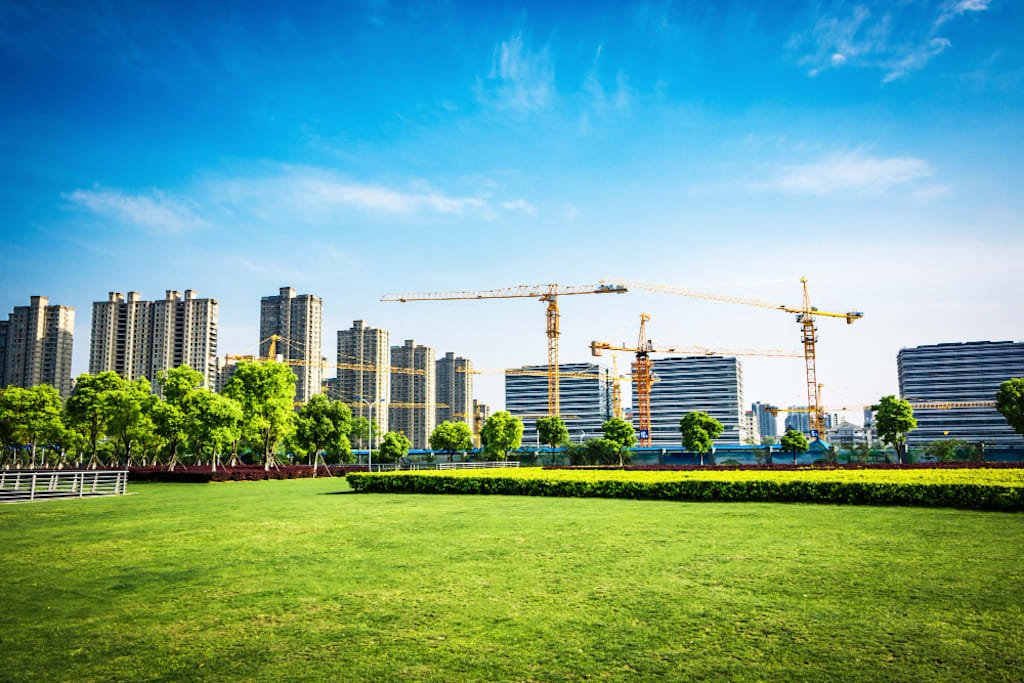
The construction sector plays a vital role in Brazil’s economic development by supporting infrastructure expansion, residential housing projects, commercial developments, and industrial facilities. As one of the largest economies in Latin America, Brazil continues to witness increasing investments in construction activities driven by urbanization, population growth, and government-backed infrastructure initiatives. These factors are creating favorable conditions for long-term market expansion across the country.
The Brazil Construction Market is experiencing significant momentum as public and private sector investments continue to improve transportation networks, residential communities, industrial parks, and commercial properties. Growing demand for modern infrastructure and sustainable building solutions is encouraging construction companies to adopt advanced technologies and innovative construction practices. As a result, the market is expected to maintain steady growth throughout the forecast period from 2026 to 2034.
Overview of the Brazil Construction Market
Brazil's construction industry encompasses a broad range of activities, including residential, commercial, industrial, and infrastructure development. The sector contributes substantially to employment generation and economic output while supporting growth across multiple industries.
Increasing urban migration is creating demand for housing developments, while rising investments in logistics facilities, manufacturing plants, and transportation infrastructure are strengthening construction activity nationwide. Government programs aimed at improving public infrastructure and attracting foreign investment are also contributing to market growth.
The industry is becoming more diversified as developers focus on smart buildings, energy-efficient construction methods, and sustainable materials. These developments are helping reshape the competitive landscape and opening new opportunities for construction firms across Brazil.
Key Growth Trends in the Brazil Construction Market
Expansion of Residential Construction
Residential construction remains one of the strongest contributors to market growth. Brazil’s growing urban population continues to create demand for affordable housing, apartment complexes, and mixed-use developments.
Rising household incomes and improved access to financing options are enabling more individuals to invest in homeownership. Developers are responding by launching residential projects that cater to different income groups while incorporating modern amenities and sustainable building features.
The increasing popularity of gated communities and urban housing developments is expected to support continuous growth in residential construction activities over the coming years.
Infrastructure Development Initiatives
Infrastructure modernization is a major driver of the Brazil construction industry. Investments in roads, highways, airports, ports, railways, and public transportation systems are creating substantial opportunities for contractors and engineering firms.
The government continues to prioritize infrastructure improvement projects to enhance connectivity, support economic growth, and attract international investment. Public-private partnerships are playing an important role in financing large-scale infrastructure developments.
These projects are expected to generate long-term demand for construction materials, equipment, and skilled labor throughout the forecast period.
Growth of Commercial Real Estate
Commercial construction is gaining momentum as businesses expand operations and invest in modern facilities. Demand for office buildings, shopping centers, logistics hubs, data centers, and hospitality properties is increasing across major urban centers.
The growth of e-commerce has created additional demand for warehouses and distribution facilities. Companies are investing in strategically located logistics centers to improve supply chain efficiency and meet rising consumer expectations.
Modern commercial developments increasingly emphasize sustainability, digital connectivity, and flexible workspace designs.
Adoption of Sustainable Construction Practices
Environmental awareness is influencing construction decisions across Brazil. Developers and contractors are increasingly incorporating energy-efficient systems, environmentally friendly materials, and waste reduction strategies into their projects.
Green building certifications are becoming more important as investors and property owners seek to improve environmental performance while reducing long-term operating costs.
The adoption of sustainable construction practices is expected to become a key competitive differentiator within the market.
Industrial Demand Driving Market Expansion
Manufacturing Facility Development
Brazil’s industrial sector continues to invest in new manufacturing facilities and production plants. Industries such as automotive, food processing, pharmaceuticals, chemicals, and consumer goods require modern infrastructure to support expansion plans.
Construction companies are benefiting from increasing demand for factories, warehouses, and industrial parks designed to meet evolving production requirements.
As industrial output grows, the need for specialized construction services and advanced engineering solutions is expected to rise accordingly.
Logistics and Warehouse Construction
The expansion of online retail and international trade is driving significant demand for logistics infrastructure. Distribution centers, fulfillment facilities, and storage warehouses are being developed across key transportation corridors.
Businesses are prioritizing strategically located facilities that improve inventory management and reduce delivery times. This trend is generating strong demand for industrial construction projects throughout Brazil.
The logistics sector is expected to remain a major source of construction activity over the next decade.
Energy and Utilities Projects
Investments in energy generation and utility infrastructure are creating additional opportunities within the construction market. Brazil continues to develop renewable energy projects, including solar and wind power facilities, to meet growing energy demand.
Construction firms are actively participating in power generation, transmission, and distribution projects that support the country’s long-term sustainability objectives.
These investments are helping diversify construction activity while contributing to economic development.
Market Challenges
Rising Material Costs
Construction companies often face challenges related to fluctuations in the prices of raw materials such as steel, cement, and other building products. Changes in global supply chains and transportation costs can impact project budgets and profitability.
Efficient procurement strategies and long-term supplier relationships are becoming increasingly important for managing costs effectively.
Skilled Labor Shortages
The growing volume of construction projects has increased demand for skilled workers across various trades and technical disciplines. Labor shortages can lead to project delays and increased operating expenses.
Many organizations are investing in workforce development and training programs to address skill gaps and improve productivity.
Regulatory and Compliance Requirements
Construction projects must comply with numerous regulations related to safety, environmental protection, and building standards. Navigating complex regulatory frameworks can increase project timelines and administrative costs.
Companies that maintain strong compliance practices are better positioned to manage risks and achieve successful project outcomes.
Emerging Opportunities in the Market
Smart Building Technologies
The integration of smart technologies is transforming the construction sector. Developers are increasingly incorporating automated systems, intelligent lighting, energy management solutions, and advanced security features into new projects.
These innovations improve operational efficiency while enhancing occupant comfort and building performance.
As digital transformation accelerates, smart building solutions are expected to become a standard feature in many commercial and residential developments.
Growth in Green Infrastructure
Sustainable infrastructure projects represent a significant growth opportunity for the Brazil construction industry. Investments in renewable energy facilities, environmentally friendly transportation systems, and resilient urban infrastructure are gaining momentum.
Developers that prioritize sustainability are likely to benefit from increasing investor interest and evolving consumer preferences.
Urban Redevelopment Projects
Many Brazilian cities are investing in urban renewal initiatives aimed at revitalizing aging infrastructure and improving public spaces. Redevelopment projects often involve mixed-use developments, transportation upgrades, and modernization of existing structures.
These initiatives create opportunities for construction companies specializing in renovation, restoration, and infrastructure improvement.
Future Outlook
The future of the Brazil Construction Market appears highly promising as infrastructure investment, urban development, and industrial expansion continue to support demand. Increasing adoption of sustainable construction practices and digital technologies is expected to improve efficiency and enhance project quality across the industry.
Residential housing demand, commercial real estate development, logistics infrastructure expansion, and renewable energy investments will remain important growth drivers throughout the forecast period. Companies that embrace innovation, sustainability, and operational excellence are likely to benefit the most from emerging market opportunities.
Conclusion
The Brazil Construction Market is entering a period of sustained growth supported by urbanization, infrastructure modernization, industrial development, and rising investment across multiple sectors. Strong demand from residential, commercial, industrial, and public infrastructure projects continues to create opportunities for construction companies, suppliers, and investors.
As the industry evolves, sustainability initiatives, smart construction technologies, and large-scale development programs will shape future market dynamics. With ongoing economic development and increasing construction activity nationwide, the Brazil Construction Market is well-positioned for long-term expansion between 2025 and 2034.
About the Creator
Tim David
Creator Blog and Analysis delivers concise, data-driven insights, trend analysis, and expert perspectives, helping readers understand markets, technologies, and opportunities through clear, actionable, and research-backed content.
Enjoyed the story? Support the Creator.
Subscribe for free to receive all their stories in your feed.
Comments
There are no comments for this story
Be the first to respond and start the conversation.