
Box Build Assembly Process: An Electronics Manufacturing Guide
Summary Box Build Assembly: Integrates components into a complete product. Process: Sub-assembly, component installation, cable routing, enclosure, testing, packaging. Customization: Tailored to client needs. A2ZEMS Advantage: Expert engineering, quality control, scalable solutions. Applications: Electronics, medical, telecom, industrial.
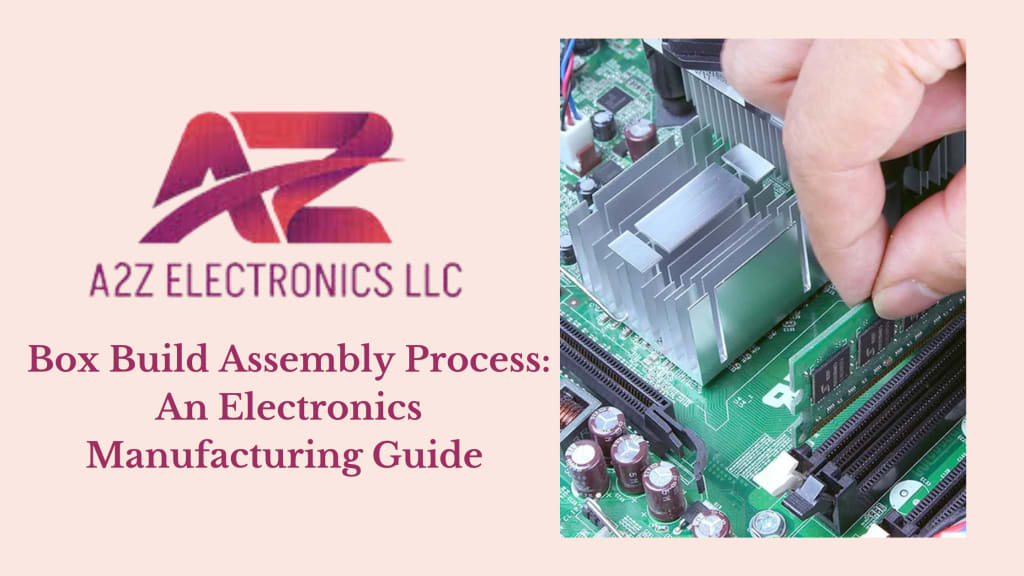
The box build assembly process, also known as system integration, is an essential component in electronics manufacturing. This comprehensive guide provides a detailed overview of the box build assembly process, helping businesses optimize assembly practices and elevate product quality to meet industry standards.
We cover everything from initial design considerations to final testing, packaging, and delivery, ensuring a seamless, cost-effective approach.
What Is Box Build Assembly?
Box build assembly goes beyond simple circuit board assembly. It involves assembling all the parts and components to create a final, functional product. This includes everything from adding sub-assemblies and routing cables to testing and securing enclosures. Box build assemblies vary in complexity, from a small, simple enclosure to complex system integrations.
Key Elements of Box Build Assembly
Enclosure Assembly: Assembling the outer case or enclosure that protects internal components.
Cable and Wire Harnessing: Attaching cables and wiring to connect different parts of the assembly.
Printed Circuit Board (PCB) Integration: Installing and connecting PCBs to power and communication lines within the enclosure.
Labeling and Marking: Adding identification labels and product markings, including barcodes or serial numbers.
Final Testing and Quality Assurance: Performing a comprehensive testing process to ensure the assembled product meets all specifications.
Planning the Box Build Assembly Process
Successful box build assembly begins with meticulous planning. Each step must be mapped out carefully to avoid production delays and ensure that the final product meets quality standards.
1. Design and Component Selection
Designing a successful box build assembly requires collaboration between design, engineering, and production teams to identify and select the correct components. Factors to consider include:
Functionality Requirements: Understanding the specific functions of the product to design compatible components.
Material Choices: Choosing appropriate materials that meet performance, durability, and compliance standards.
Space Optimization: Designing with spatial efficiency to ensure all components fit within the enclosure without compromising functionality.
Cost Efficiency: Selecting components that align with the project's budget while meeting quality standards.
2. Creating a Bill of Materials (BOM)
The BOM lists every component needed for the box build assembly, including screws, cables, circuit boards, and connectors. This detailed list helps maintain organization, streamline inventory management, and prevent missing components that could delay the assembly.
3. Mechanical and Electrical Assembly Considerations
During assembly, various mechanical and electrical factors must be accounted for to ensure the seamless operation of the box build. This stage involves:
Mechanical Assembly: Installing mounting brackets, frames, and other mechanical supports.
Electrical Connections: Ensuring proper grounding, insulation, and electrical connection among components.
Thermal Management: Integrating cooling solutions, such as fans or heat sinks, to prevent overheating and ensure optimal device performance.
Step-by-Step Box Build Assembly Process
Here’s an outline of a typical box build assembly process:
Step 1: Sub-Assembly Construction
In this initial stage, sub-assemblies, such as PCBs or control panels, are built and tested independently to ensure functionality before integration. Components are fitted, soldered, and quality-checked in sub-units.
Step 2: Component Installation
Each component, including switches, displays, PCBs, and connectors, is placed according to the design layout and BOM. Correct placement is critical to avoid functionality issues during final testing.
Step 3: Cable and Wire Harnessing
Cable routing and wire harnessing are essential steps that ensure clean connections and proper data and power flow within the assembly. Proper wire routing prevents interference and improves signal quality.
Step 4: Enclosure Assembly
The enclosure protects the internal components from environmental hazards and physical impacts. The enclosure’s design should allow for easy access during maintenance while still safeguarding against dust, moisture, and other contaminants.
Step 5: Final Testing and Quality Control
Thorough testing and quality control are paramount for delivering a high-quality final product. Testing may include:
Functional Testing: Ensuring each function operates as intended.
Thermal Testing: Checking heat dissipation to confirm the system doesn’t overheat.
Electrical Testing: Verifying all electrical connections and voltage levels.
Step 6: Labeling and Packaging
Once testing is complete, products are labeled for identification and packed according to industry standards. Labeling may include serial numbers, compliance labels, and company branding. Proper packaging protects the products during shipping and handling.
Advantages of a Well-Executed Box Build Assembly Process
A streamlined and well organized box build assembly process provides several benefits to manufacturers, such as:
Enhanced Product Quality: Careful assembly leads to robust products that meet performance expectations.
Cost Savings: Avoiding rework and delays reduces costs.
Faster Time-to-Market: Efficient assembly processes result in quicker delivery to market.
Improved Reliability: Rigorous testing ensures that the product performs reliably under various conditions.
Common Challenges and Solutions in Box Build Assembly
Despite the benefits, box build assembly can present several challenges. Addressing these issues requires foresight and proactive management.
Component Sourcing Delays: Partnering with reliable suppliers and maintaining buffer inventory can mitigate delays.
Quality Control Issues: Implementing standardized quality checks at every stage of assembly minimizes the risk of defects.
Complex Cable Management: Pre-planned cable harnessing and routing reduce the chances of misalignment and electrical interference.
Why Choose A2ZEMS Electronics for Box Build Assembly Process
A2ZEMS Electronics stands out in box build assembly for our commitment to precision, efficiency, and quality. Our team of experts specializes in customized box build solutions tailored to meet the specific requirements of our clients across various industries. Here’s why A2ZEMS Electronics is the preferred choice for your box build assembly needs:
Expert Engineering Support: Our experienced engineers collaborate closely with clients to design optimized, cost-effective solutions.
Comprehensive Testing Protocols: We prioritize quality by conducting exhaustive testing and quality checks at each stage of the assembly process.
Streamlined Supply Chain Management: Our established network of trusted suppliers ensures timely delivery of high-quality components, reducing project delays.
Flexible and Scalable Solutions: From small-scale prototypes to high-volume production, we provide scalable box build assembly solutions that grow with your needs.
With A2ZEMS Electronics, you can trust that your products will be assembled to the highest standards, ensuring long-term reliability and market success.
Conclusion
A precise and comprehensive box build assembly process is critical to achieving high-quality, reliable products. Each stage, from design to final testing, plays a vital role in the final product’s success. By following a structured approach, manufacturers can optimize their assembly practices to produce durable, high-performance electronics that meet stringent industry standards. Choose A2ZEMS Electronics for unparalleled expertise and quality in box build assembly solutions.
About the Creator
Enjoyed the story? Support the Creator.
Subscribe for free to receive all their stories in your feed.
Comments
There are no comments for this story
Be the first to respond and start the conversation.