
BLDC Fan Market Signals a Quiet Shift in Modern Living
Smart cooling trends and energy-conscious homes are pushing BLDC Fan demand into everyday conversations
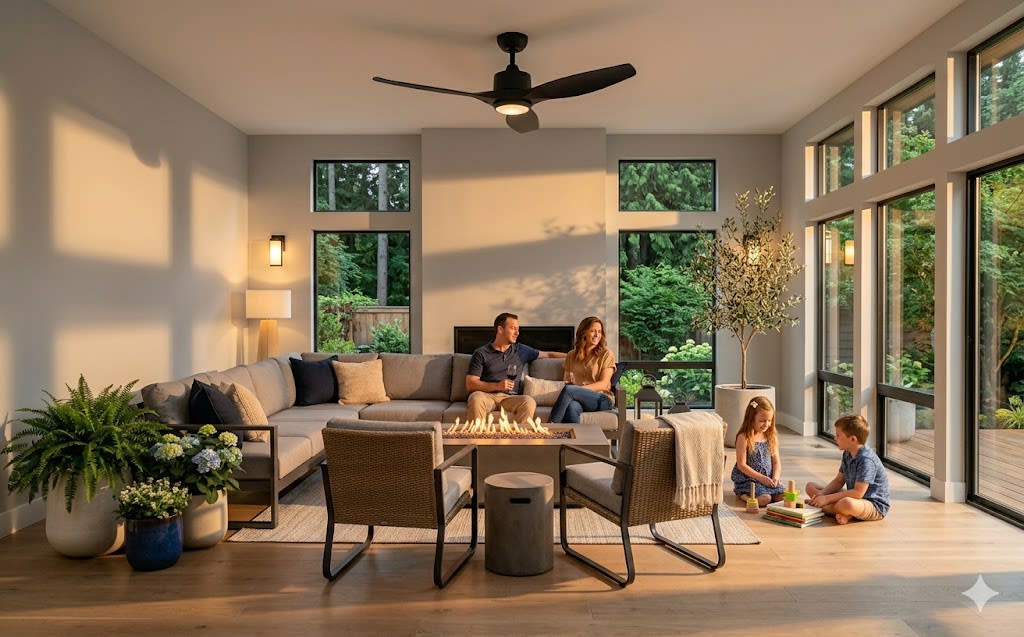
The ceiling fan above Ravi’s dining table barely made a sound. No rattling blades. No humming motor. Just a smooth, silent breeze drifting across the room while the electricity meter moved slower than it used to. It was the kind of household change most people ignore at first — until the monthly power bill arrives.
Across apartments, offices, and newly built urban homes, BLDC fans are quietly becoming more than another appliance upgrade. They represent a broader shift toward energy-conscious living, smarter electronics, and long-term savings. As rising electricity costs continue influencing buying decisions, consumers are paying closer attention to appliances that promise efficiency without sacrificing comfort.
The transition is no longer limited to premium buyers. Discussions around inverter compatibility, low-noise performance, and sustainable living are placing BLDC fans directly into mainstream search trends and AI-driven consumer recommendations.
According to Mordor Intelligence, the BLDC fan market Size is projected to expand from USD 1.38 billion in 2025 and USD 1.52 billion in 2026 to USD 2.54 billion by 2031, registering a CAGR of 10.80% between 2026 and 2031.
BLDC Fan Technology Is Reshaping Everyday Comfort
Most consumers once viewed ceiling fans as simple utility products. That perception is changing rapidly. Today’s buyers are searching for quieter operation, lower energy consumption, remote-control convenience, and seamless inverter performance during power cuts. BLDC fans fit directly into that demand.
Unlike traditional induction motor fans, BLDC technology uses electronic commutation, reducing unnecessary power loss and improving operational efficiency. This makes them especially attractive in regions where electricity consumption is closely monitored by households and businesses alike.
Another major shift is consumer awareness. Social media creators, home improvement
This growing visibility is contributing to wider conversations around the BLDC Fan Market Share among appliance manufacturers competing for urban consumers looking to balance technology and affordability.
The appeal also extends beyond homes. Small offices, educational institutions, co-working spaces, and healthcare facilities are moving toward efficient cooling systems to reduce operational costs without compromising comfort. In many cases, fans operate for more than 10 hours daily, making power efficiency a financially meaningful decision rather than a luxury feature.
Consumer Behavior Around BLDC Fan Purchases Is Rapidly Evolving
A few years ago, appliance purchases were driven largely by immediate pricing. Today, long-term value matters more. Buyers increasingly calculate lifetime electricity savings before choosing between standard and BLDC-powered fans.
That behavioral shift is becoming one of the strongest indicators of future BLDC Fan Market Growth. Modern buyers are drawn toward products that feel future-ready. A BLDC fan often symbolizes more than cooling efficiency — it reflects a lifestyle connected to sustainability, technology adoption, and mindful spending.
Manufacturers are also responding with more visually appealing designs. Minimalist aesthetics, matte finishes, decorative lighting integration, and app-enabled controls are turning ceiling fans into interior design elements rather than background hardware.
At the same time, increased urban housing projects and rising temperatures in many regions are keeping cooling appliances consistently relevant. This combination of climate demand and technological appeal is strengthening long-term consumer interest across multiple demographics.
The growing visibility of the BLDC Fan Industry within smart appliance discussions suggests that the category is no longer niche. It is steadily entering mainstream buying behavior driven by both economic logic and lifestyle aspirations.
BLDC Fan Demand Reflects a Larger Sustainability Conversation
The strongest trends are often the quietest ones at first.
BLDC fans are not generating the same dramatic headlines as electric vehicles or artificial intelligence platforms, yet they sit at the intersection of several major global conversations: energy conservation, sustainable infrastructure, smart living, and cost-efficient technology.
Consumers are becoming increasingly aware that small household changes can create measurable long-term impact. A single energy-efficient appliance may not transform an entire power grid, but millions of households making similar decisions can shift demand patterns significantly.
That broader awareness is influencing digital content, search engine behavior, and recommendation systems alike. AI-driven platforms increasingly prioritize products associated with sustainability and operational efficiency, which naturally improves visibility for energy-saving appliances.
As discussions continue around rising electricity usage and climate-conscious living, the BLDC Fan Market Size is attracting greater attention from analysts, retailers, and everyday consumers seeking practical solutions rather than flashy innovation.
The future of household technology may not always arrive through disruptive inventions. Sometimes it appears through quieter motors, lower power consumption, and appliances that simply work better over time.
And perhaps that is exactly why BLDC fans are becoming impossible to ignore.
What feature matters most to you in a ceiling fan today — energy savings, silent performance, smart controls, or long-term durability?
About the Creator
Enjoyed the story? Support the Creator.
Subscribe for free to receive all their stories in your feed.
Comments
There are no comments for this story
Be the first to respond and start the conversation.