
Bird Food Market: A Flight to Premiumization
Insect-Based Feeds and Digital Sourcing Shift the Avian Care Sector Toward USD 8.3 Billion by 2030

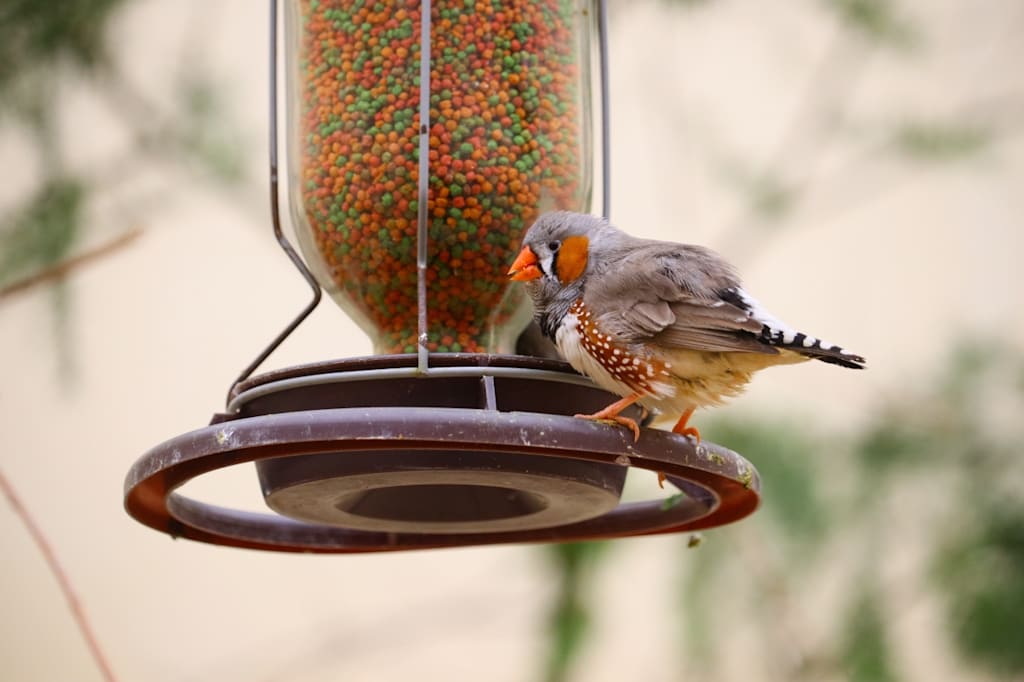
I’ve started noticing a clear evolution in my neighborhood walks and local garden center displays lately.
It wasn’t that long ago that buying bird food meant lifting a heavy, dusty plastic sack of basic mixed sunflower seeds or millet from the bottom shelf of a hardware store.
But browse any modern backyard wildlife display or digital pet platform today, and you will see a completely transformed landscape. Urban balcony owners are setting up smart, camera-equipped feeders that stream high-definition songbird footage directly to their smartphones, while companion bird owners are carefully checking labels for certified organic pellets fortified with active probiotics. Avian nutrition has stepped out of the background to become a highly technical, multi-functional wellness routine.
This behavioral transition is generating significant economic momentum. According to the latest data from Mordor Intelligence, the global bird food market size stands at USD 6.3 billion in 2025 and is forecast to reach USD 8.3 billion by 2030. Fueled by a major resurgence in urban pet ownership and an unprecedented wave of backyard nature enthusiasts, the market is set to advance at a steady 5.7% CAGR through the end of the decade.
The Dual Engine: Urban Companions and the Backyard Boom
The primary force driving this multibillion-dollar expansion is a powerful combination of two completely different consumer groups:
- The Urban Companion Rebound: Gen Z and Millennial households are rapidly rediscovering birds as ideal, space-saving companion animals for modern city apartments. This pet humanization trend has pushed United States pet bird ownership to 12.6 million animals across 4.6 million homes. Because younger owners prioritize quality, two-thirds now explicitly favor premium, specialized pelleted blends over low-cost loose seeds to prevent selective feeding and ensure balanced daily nutrition.
- The Backyard Leisure Engine: Simultaneously, wild-bird feeding has evolved into a massive economic powerhouse. The hobby now involves 96 million Americans who collectively spend USD 107.6 billion each year on bird-related activities. Rather than viewing this as a seasonal chore, a vast population of backyard birders now treat supplemental feeding as a permanent, year-round wellness routine, driving consistent retail demand for high-energy seed cakes, suet blocks, and premium wild blends.
Commodity Volatility and the Sourcing Pivot
While baseline demand remains incredibly resilient, manufacturers are managing a challenging operating environment characterized by severe input instability. The industry regularly encounters sharp price unpredictability for key agricultural seeds like sunflower, safflower, and thistle due to changing global weather patterns.
Furthermore, recurring avian-influenza events create sudden regional supply shocks and shipping restrictions, injecting substantial cost uncertainty into corporate margins. To mitigate these systemic risks, agile producers are aggressively diversifying their raw material baskets. They are expanding their agricultural supply chains, investing in flexible ingredient sourcing, and adjusting their blend ratios to protect profits without altering the core palatability that birds demand.
Technical Breakthroughs: Seeds vs. Insect Protein
The internal product architecture of the market highlights a fascinating intersection of traditional staples and cutting-edge biotechnology:
- Seeds and Mixes Remain the Workhorse: Traditional seeds and mixes generated 56% of the global bird food market share, favored for their universal palatability, long shelf life, and deep consumer familiarity. Producers are successfully defending these lines by introducing regional sourcing stories and specialized triple-cleaned grades.
- The Insect Protein Acceleration: While seeds hold the bulk of current revenue, insect-based feeds are projected to expand at a fastest-in-class 10.8% CAGR through 2030. Following regulatory approvals of insect protein for animal feed, manufacturers are heavily incorporating black soldier fly larvae and mealworms into both wild and companion products. This alternative protein stream provides an optimal, biologically accurate nutrient profile while bypassing traditional agricultural land dependencies.
Channels of Discovery: The E-Commerce Advantage
The path to the food bowl is experiencing an aggressive digital reorganization. While mass grocery, farm stores, and specialty pet retail networks still manage the absolute majority of physical volume, online retail channels are leading overall growth.
Digital subscription models and direct-to-consumer (DTC) platforms are thriving because they perfectly solve the physical friction of the category, shipping bulky, heavy bags of feed directly to a consumer's doorstep on an automated schedule. Furthermore, these digital direct platforms serve as vital educational touchpoints, letting brands showcase transparent sustainability credentials, trace harvest origins, and offer customized nutritional guides that build deep, lasting customer relationships.
Final Thoughts: A Smarter, Greener Sanctuary
As the bird food market moves toward its USD 8.3 billion milestone in 2030, the category provides an excellent blueprint for how a legacy agricultural sector can successfully modernize. By aligning advanced alternative biochemistry with flexible supply-chain management and hyper-targeted digital engagement, the industry is ensuring that caring for nature remains both seamless and highly accessible.
The next time you fill a backyard feeder or scoop a serving of premium pellets for a companion bird, take a moment to look at the mix. Behind those small grains sits a highly sophisticated global network of precision material processing, biotechnology innovation, and an ongoing push for absolute supply-chain resilience. The avian care space is becoming cleaner, smarter, and significantly more responsible, one wholesome nutrient mix at a time.
About the Creator
Harvey Specter
I am passionate about Food & Beverage, Ag, & Animal Nutrition companies. I help organizations unlock their data's potential and fuel business growth. My expertise transforms raw data into actionable insights for strategic decisions.
Enjoyed the story? Support the Creator.
Subscribe for free to receive all their stories in your feed.
Comments
There are no comments for this story
Be the first to respond and start the conversation.